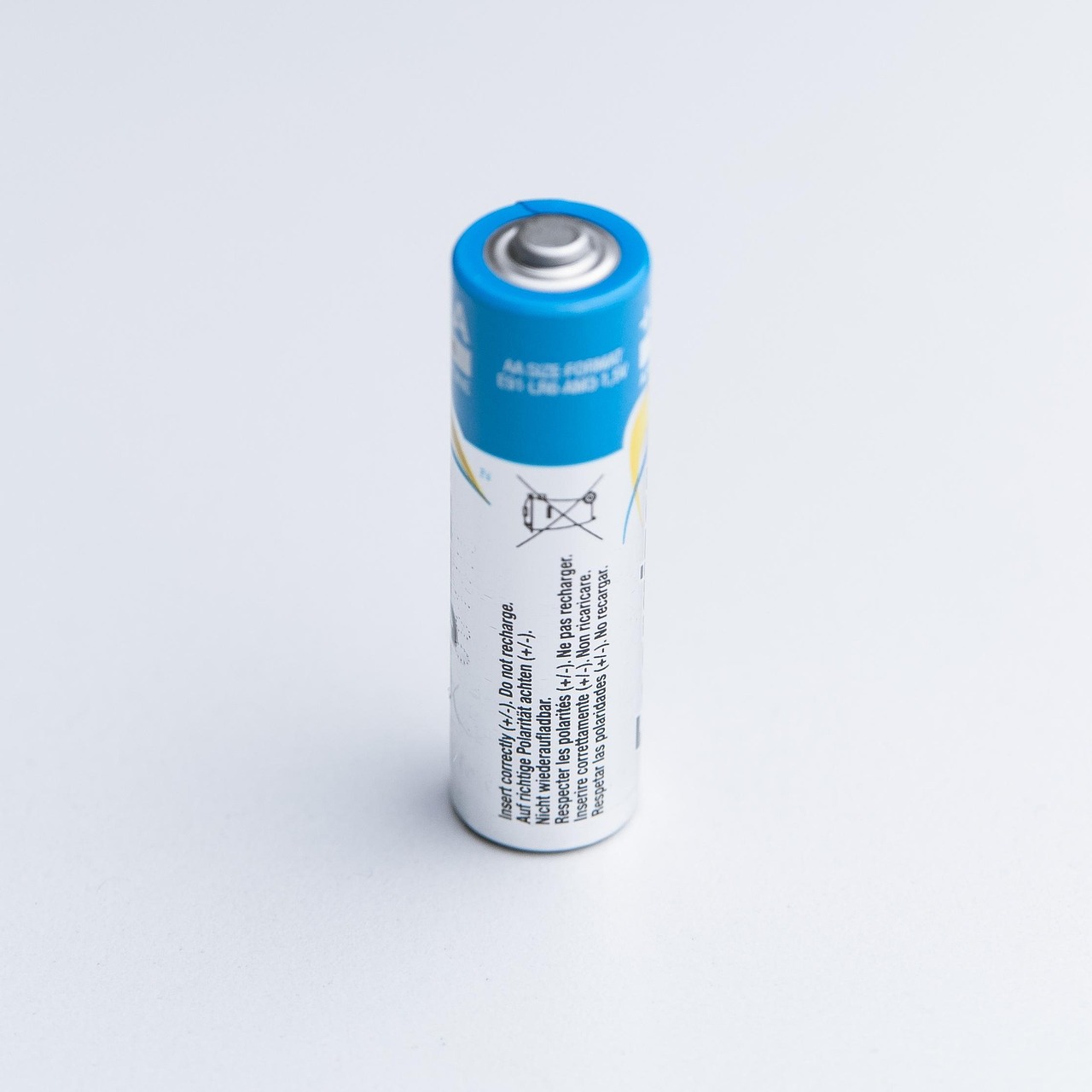
Lithium-ion batteries are revolutionizing the way we live and work, from powering smartphones and laptops to electric vehicles and renewable energy systems. As technology continues to advance, the demand for efficient and reliable energy storage solutions is on the rise. Lithium-ion batteries have become a crucial part of modern life, and understanding how they work is essential for anyone looking to get the most out of their devices. With their high energy density, long lifespan, and relatively low self-discharge rate, lithium-ion batteries have become the go-to choice for many applications.
The Basics of Lithium-ion Batteries
A lithium-ion battery is a type of rechargeable battery that uses lithium ions to store energy. The battery consists of three main components: a positive cathode, a negative anode, and an electrolyte that separates the two. When the battery is charged, lithium ions move from the cathode to the anode, and when it is discharged, they move back to the cathode. This process allows the battery to store and release energy efficiently, making it ideal for a wide range of applications.
Key Lithium-ion Advancements
1. Improved Energy Density
One of the most significant advancements in lithium-ion battery technology is the improvement in energy density. This refers to the amount of energy that can be stored in a given amount of space. Higher energy density means that batteries can be made smaller and lighter, making them more convenient to use and transport. This has been achieved through the development of new materials and designs, such as the use of nanomaterials and 3D structures.
- Plus Points:
- Higher energy density means smaller and lighter batteries
- Improved performance and efficiency
- Increased lifespan and reliability
- Drawbacks:
- Higher cost due to new materials and designs
- Potential safety risks if not handled properly
2. Enhanced Safety Features
Another key area of advancement in lithium-ion battery technology is safety. As the demand for these batteries continues to grow, so does the risk of accidents and injuries. To mitigate this risk, manufacturers have developed a range of safety features, such as protective circuits, thermal management systems, and flame-retardant materials.
- Plus Points:
- Reduced risk of accidents and injuries
- Improved reliability and performance
- Compliance with safety regulations and standards
- Drawbacks:
- Increased cost due to additional safety features
- Potential impact on performance and efficiency
| Characteristic | Description | Benefits |
|---|---|---|
| Energy Density | The amount of energy that can be stored in a given amount of space | Smaller and lighter batteries, improved performance and efficiency |
| Safety Features | Protective circuits, thermal management systems, and flame-retardant materials | Reduced risk of accidents and injuries, improved reliability and performance |
Real-World Benefits
✔ Increased Portability
Lithium-ion batteries have enabled the development of smaller and lighter devices, making them more portable and convenient to use. This has revolutionized the way we work and communicate on the go.
✔ Improved Performance
The high energy density and long lifespan of lithium-ion batteries have improved the performance of devices, allowing them to run for longer periods of time and perform more complex tasks.
✔ Reduced Maintenance
Lithium-ion batteries require minimal maintenance, as they do not need to be replaced as frequently as other types of batteries. This has reduced the cost and hassle of owning and operating devices.
✔ Enhanced Safety
The development of safety features in lithium-ion batteries has reduced the risk of accidents and injuries, making them a safer choice for a wide range of applications.
✔ Environmental Benefits
Lithium-ion batteries have enabled the development of renewable energy systems and electric vehicles, which have reduced our reliance on fossil fuels and lowered greenhouse gas emissions.
✔ Cost Savings
The improved efficiency and lifespan of lithium-ion batteries have reduced the cost of owning and operating devices, making them a more affordable choice for consumers and businesses.
What’s Coming
- Advances in nanotechnology and materials science will further improve the energy density and safety of lithium-ion batteries
- The development of solid-state batteries will replace traditional liquid electrolytes with solid materials, enhancing safety and performance
- Improved recycling technologies will enable the efficient and sustainable recycling of lithium-ion batteries, reducing waste and conserving resources
- New applications for lithium-ion batteries will emerge, such as in the fields of medicine and aerospace
- Increased investment in research and development will drive innovation and growth in the lithium-ion battery industry
- Government regulations and incentives will promote the adoption of lithium-ion batteries and support the transition to a more sustainable energy future
Key Takeaways
Lithium-ion batteries are a crucial part of modern technology, and understanding how they work and how to use them properly is essential for beginners. The continuous advancements in lithium-ion battery technology have improved their energy density, safety, and performance, making them a reliable and efficient choice for a wide range of applications. As the demand for lithium-ion batteries continues to grow, it is likely that new innovations and developments will emerge, further enhancing their benefits and applications.