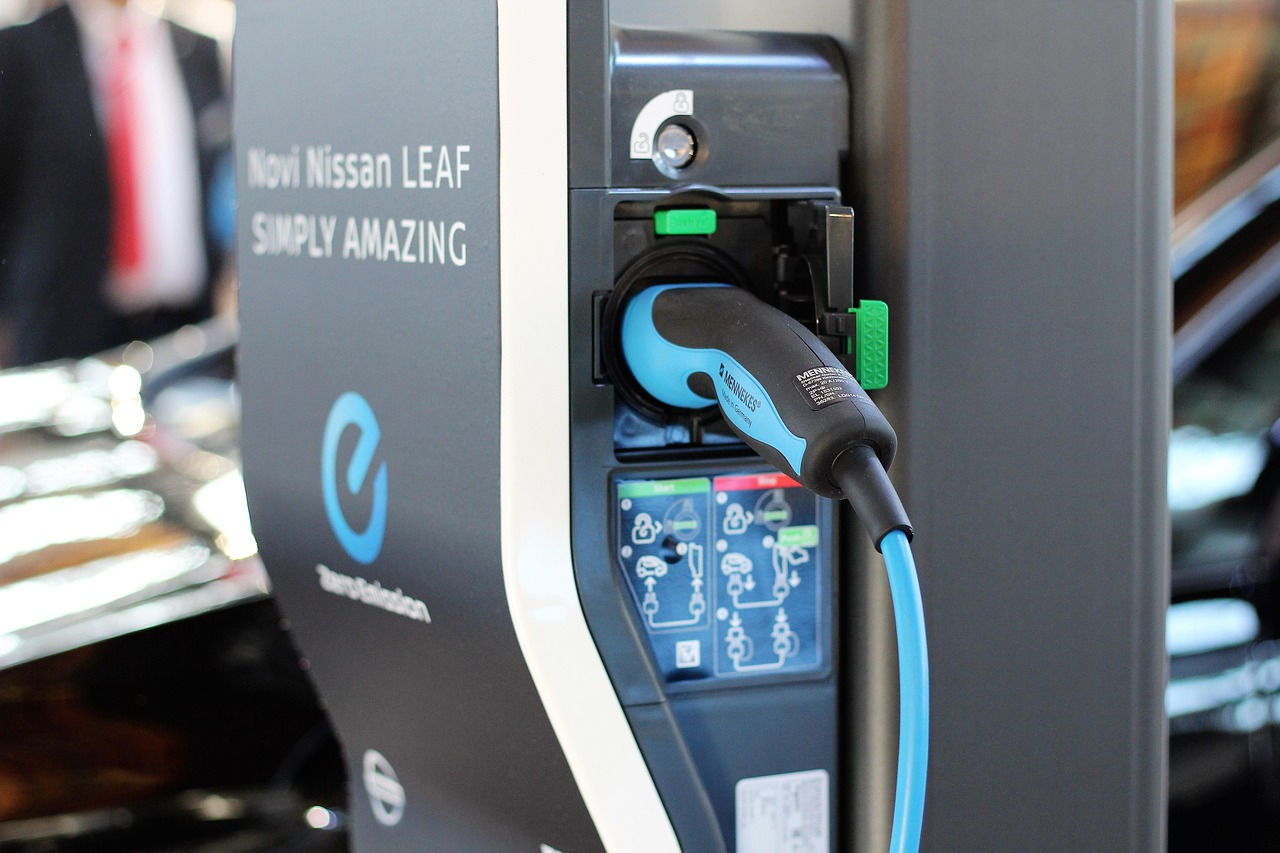
The Nissan Leaf is gaining attention right now due to its impressive quick wins in the electric vehicle market. As the world shifts towards more sustainable and environmentally friendly transportation options, the Leaf has established itself as a top contender. With its innovative features and eco-friendly design, the Nissan Leaf has become a popular choice among drivers looking to reduce their carbon footprint. The Leaf’s quick wins can be attributed to its advanced technology and impressive range, making it an attractive option for those seeking a reliable and efficient electric vehicle.
What Is The Nissan Leaf?
The Nissan Leaf is a fully electric vehicle produced by the Japanese automaker Nissan. First introduced in 2010, the Leaf has undergone several updates and improvements, solidifying its position as one of the best-selling electric vehicles of all time. With a range of up to 226 miles on a single charge, the Leaf offers a quiet and smooth ride, making it an ideal choice for daily commuting and city driving. The Leaf’s electric motor produces 147 horsepower, providing ample power for merging onto highways and climbing steep hills.
Latest Nissan Leaf Technologies
1. Advanced Battery Technology
The Nissan Leaf features advanced battery technology, allowing for faster charging and increased range. The Leaf’s battery is designed to retain up to 80% of its capacity after 5 years of use, ensuring that drivers can enjoy a reliable and efficient driving experience. The advanced battery technology also enables the Leaf to charge to 80% in just 30 minutes using a quick charger.
- Plus Points:
- Increased range and efficiency
- Faster charging times
- Improved battery durability
- What Needs Work:
- Higher upfront cost compared to traditional gasoline-powered vehicles
- Limited charging infrastructure in some areas
2. ProPilot Assist
The Nissan Leaf also features ProPilot Assist, a semi-autonomous driving system that assists with steering, acceleration, and braking. This advanced technology helps to reduce driver fatigue and improve safety on the road. ProPilot Assist uses a combination of cameras, radar, and sensors to detect the vehicle’s surroundings and adjust its speed and trajectory accordingly.
- Plus Points:
- Improved safety features
- Reduced driver fatigue
- Enhanced driving experience
- What Needs Work:
- Limited availability of ProPilot Assist in certain trim levels
- Requires periodic software updates to ensure optimal performance
| Trim Level | Range (miles) | Price (USD) |
|---|---|---|
| S | 147 | 29,990 |
| SV | 147 | 32,990 |
| SL | 226 | 36,990 |
How This Affects Everyday Life
✔ Reduced Emissions
The Nissan Leaf produces zero tailpipe emissions, reducing greenhouse gas emissions and air pollution in urban areas. This makes it an attractive option for drivers who want to minimize their environmental impact.
✔ Lower Operating Costs
The Leaf’s electric motor and advanced battery technology result in lower operating costs compared to traditional gasoline-powered vehicles. With reduced fuel costs and lower maintenance requirements, the Leaf can help drivers save money in the long run.
✔ Improved Air Quality
By producing zero emissions, the Nissan Leaf helps to improve air quality in urban areas, reducing the negative impacts of air pollution on public health. This makes it an excellent choice for drivers who prioritize environmental sustainability.
✔ Enhanced Driving Experience
The Leaf’s quiet and smooth ride, combined with its advanced technology features, provide an enhanced driving experience. The Leaf’s ProPilot Assist system also helps to reduce driver fatigue, making long road trips more comfortable and enjoyable.
✔ Increased Convenience
The Nissan Leaf offers increased convenience with its advanced technology features, including a touchscreen display and smartphone integration. The Leaf’s charging system also allows for fast and convenient charging, making it easy to top up the battery on the go.
✔ Government Incentives
Many governments offer incentives for drivers who purchase electric vehicles, including tax credits and rebates. The Nissan Leaf is eligible for these incentives, making it an even more attractive option for drivers who want to reduce their environmental impact.
Emerging Directions
- Increased adoption of electric vehicles in urban areas
- Expansion of charging infrastructure to support long-distance travel
- Development of more advanced battery technologies to improve range and efficiency
- Integration of autonomous driving features in electric vehicles
- Growing demand for sustainable and eco-friendly transportation options
- Improved government incentives and policies to support the adoption of electric vehicles
Key Takeaways
The Nissan Leaf is a leading electric vehicle that offers a range of benefits, including reduced emissions, lower operating costs, and an enhanced driving experience. With its advanced technology features and eco-friendly design, the Leaf is an attractive option for drivers who prioritize environmental sustainability. As the demand for electric vehicles continues to grow, the Nissan Leaf is well-positioned to remain a top contender in the market.