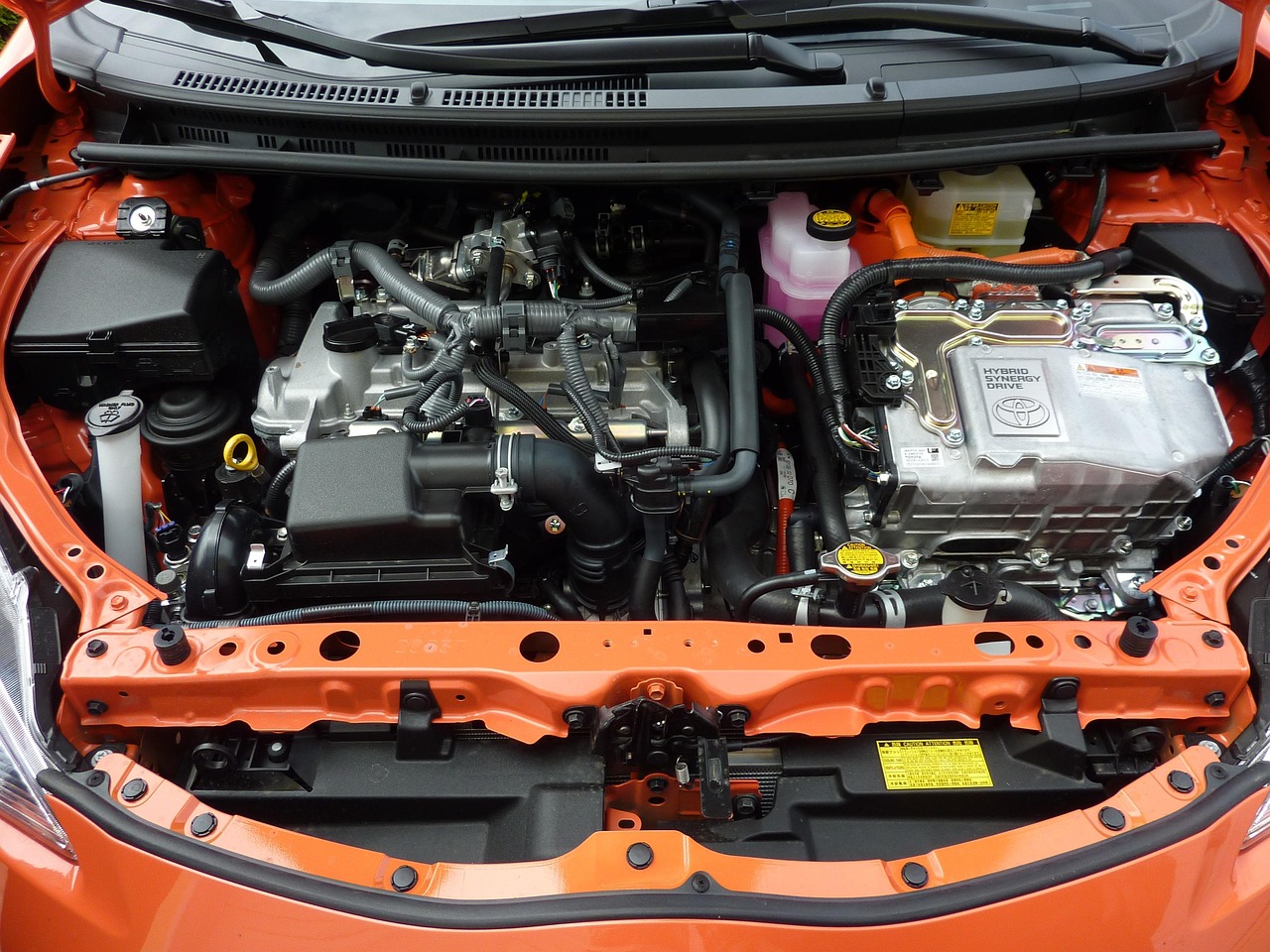
Most people underestimate the significance of motor efficiency, believing it to be a minor factor in energy consumption and environmental impact. However, the truth is that motor efficiency plays a critical role in reducing energy waste and mitigating the effects of climate change. Despite its importance, many individuals and organizations remain unaware of the benefits and innovations in motor efficiency. The lack of understanding stems from misinformation and a lack of awareness about the latest advancements in the field.
Defining Motor Efficiency
Motor efficiency refers to the ratio of output power to input power, typically measured in percentage. It is a critical parameter in determining the performance and energy consumption of electric motors, which are widely used in various industries, including manufacturing, transportation, and construction. High motor efficiency is essential to minimize energy losses, reduce operating costs, and decrease environmental impact.
Top Motor Efficiency Innovations to Know
1. Permanent Magnet Motors
Permanent magnet motors have gained popularity in recent years due to their high efficiency, reliability, and compact design. They are widely used in applications such as electric vehicles, robotics, and renewable energy systems.
- Plus Points:
- High efficiency and power density
- Low maintenance and operating costs
- Compact design and reduced weight
- Known Issues:
- High upfront costs
- Dependence on rare earth materials
2. Switched Reluctance Motors
Switched reluctance motors are another innovative technology that offers high efficiency, simplicity, and cost-effectiveness. They are suitable for applications such as industrial automation, medical devices, and consumer electronics.
- Plus Points:
- High efficiency and reliability
- Low cost and simple design
- Wide range of applications
- Known Issues:
- Acoustic noise and vibration
- Complex control algorithms
| Motor Type | Efficiency | Power Density | Cost |
|---|---|---|---|
| Permanent Magnet | 95% | 5 kW/kg | High |
| Switched Reluctance | 90% | 3 kW/kg | Medium |
How This Affects Everyday Life
Motor efficiency has a significant impact on everyday life, from reducing energy consumption to mitigating environmental pollution.
✔ Reduced Energy Bills
High-efficiency motors can significantly reduce energy consumption, resulting in lower energy bills for households and businesses.
✔ Minimized Greenhouse Gas Emissions
By reducing energy waste, high-efficiency motors can help minimize greenhouse gas emissions, contributing to a cleaner and healthier environment.
✔ Improved Air Quality
Motor efficiency can also improve air quality by reducing particulate matter and other pollutants emitted by fossil fuel-based power generation.
✔ Increased Productivity
High-efficiency motors can increase productivity by reducing downtime, improving reliability, and enhancing overall system performance.
✔ Enhanced Grid Stability
By reducing peak demand and energy consumption, high-efficiency motors can contribute to enhanced grid stability and reduced strain on the electrical infrastructure.
The Next 5 Years
- Advances in materials science will lead to the development of more efficient and compact motor designs.
- Increased adoption of electric vehicles will drive demand for high-efficiency motors and power electronics.
- Growing concerns about climate change will prompt governments and organizations to invest in motor efficiency and renewable energy technologies.
- The Internet of Things (IoT) will play a crucial role in optimizing motor performance, predictive maintenance, and energy management.
- Artificial intelligence (AI) and machine learning (ML) will be applied to motor design, simulation, and optimization, leading to further efficiency gains.
Closing Thoughts
Motor efficiency is a critical aspect of reducing energy consumption and environmental impact, and it is essential to stay informed about the latest innovations and advancements in the field. By adopting high-efficiency motors and technologies, individuals and organizations can contribute to a more sustainable future. As the world continues to evolve, motor efficiency will play an increasingly important role in shaping the energy landscape and mitigating the effects of climate change.