Renewable energy integration is gaining attention right now due to its potential to reduce carbon emissions and promote sustainable development. With recent advancements in technology and policy frameworks, the sector is experiencing rapid growth. As the world transitions to a low-carbon economy, the importance of integrating renewable energy sources into the existing energy infrastructure cannot be overstated. This shift is driven by increasing concerns about climate change and the need for sustainable energy solutions.
Understanding Renewable Energy Integration
Renewable energy integration refers to the process of incorporating renewable energy sources, such as solar, wind, hydro, and geothermal power, into the existing energy grid. This involves developing and implementing technologies, policies, and infrastructure that support the efficient and reliable transmission, distribution, and use of renewable energy. Effective integration of renewable energy is crucial for reducing dependence on fossil fuels, mitigating climate change, and ensuring energy security.
Renewable Energy Integration Methods Worth Knowing
1. Solar Energy Integration
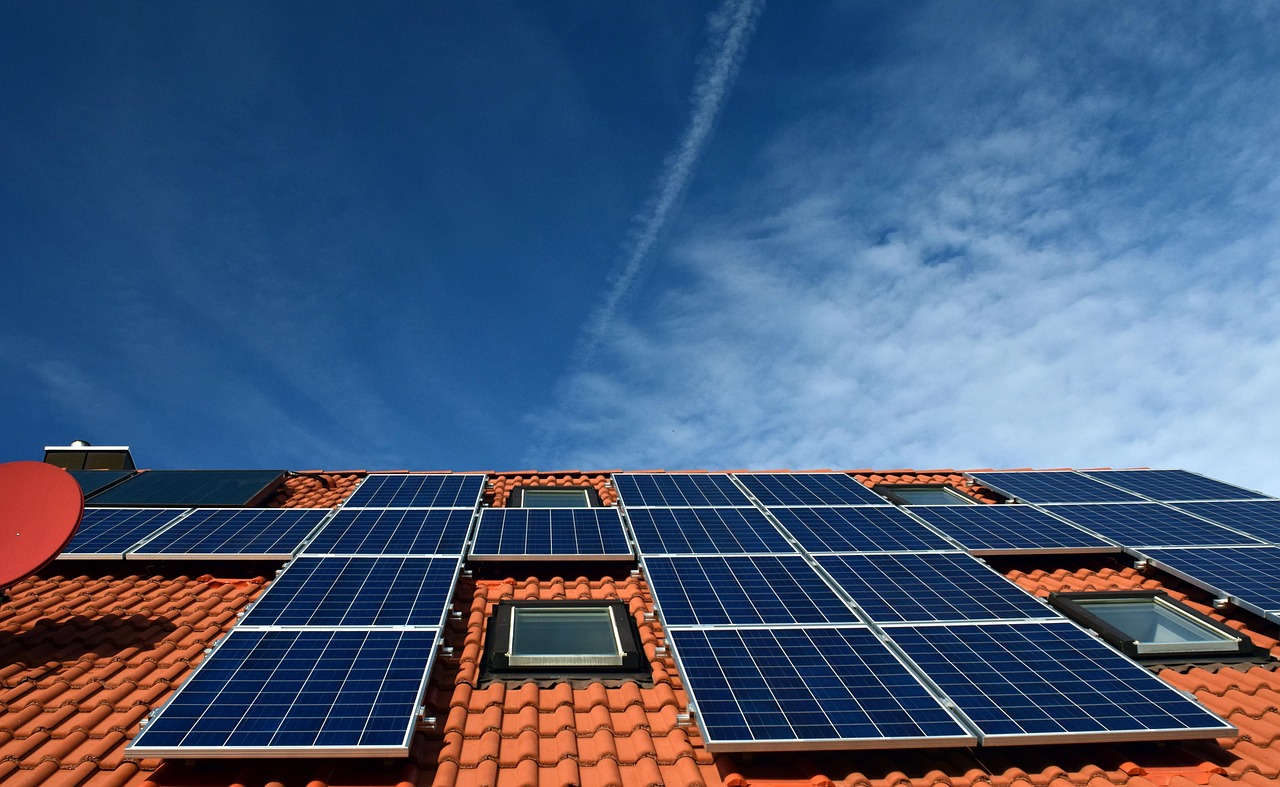
Solar energy integration involves connecting solar panels to the energy grid, allowing households and businesses to generate their own electricity. This method has become increasingly popular due to the decreasing cost of solar panels and the development of more efficient technologies.
- Plus Points:
- Renewable and sustainable source of energy
- Zero greenhouse gas emissions or pollution
- Energy independence for households and businesses
- Current Limitations:
- Intermittent energy source due to weather conditions
- High upfront costs for installation, although costs are decreasing
2. Wind Energy Integration
Wind energy integration involves connecting wind turbines to the energy grid, allowing for the generation of electricity from wind energy. This method has become a significant contributor to the global renewable energy mix.
- Plus Points:
- Abundant and renewable source of energy
- Low operating costs once installed
- Creates jobs and stimulates local economies
- Current Limitations:
- Intermittent energy source due to weather conditions
- Visual and noise pollution concerns
| Renewable Energy Source | Capacity Factor | Greenhouse Gas Emissions |
|---|---|---|
| Solar Energy | 25-30% | 0 g/MWh |
| Wind Energy | 45-50% | 0 g/MWh |
What This Means in Practice
✔ Increased Energy Security
By integrating renewable energy sources into the grid, countries can reduce their dependence on imported fossil fuels, thereby increasing energy security and reducing the impact of price volatility.
✔ Job Creation and Economic Growth
The renewable energy sector is creating new job opportunities in manufacturing, installation, and maintenance, contributing to local economic growth and development.
✔ Reduced Greenhouse Gas Emissions
Renewable energy integration helps mitigate climate change by reducing greenhouse gas emissions from the energy sector, which accounts for a significant portion of global emissions.
✔ Improved Air Quality
By transitioning to renewable energy, communities can reduce air pollution from fossil fuels, leading to improved public health and quality of life.
✔ Enhanced Energy Efficiency
Integrating renewable energy encourages the development and use of energy-efficient technologies, further reducing energy consumption and waste.
Upcoming Trends
- Advancements in energy storage technologies to address intermittency issues
- Increased adoption of smart grid technologies for efficient energy distribution
- Growing investment in offshore wind energy projects
- Development of new solar panel technologies with higher efficiency rates
- Expansion of renewable energy into the transportation sector through electric vehicles
- Integration of artificial intelligence and machine learning for predictive energy management
To Sum Up
Renewable energy integration is a critical component of the global transition to a sustainable and low-carbon economy. With ongoing advancements in technology and policy, the sector is poised for significant growth and development. As the world continues to grapple with the challenges of climate change and energy security, the importance of integrating renewable energy sources into the existing energy infrastructure will only continue to grow.
The future of renewable energy looks promising, with innovations in solar, wind, and other renewable sources leading the way. As technologies improve and costs decrease, the potential for widespread adoption and integration of renewable energy increases, paving the way for a more sustainable energy future.