Over 2 million battery-powered cars were sold worldwide in 2020, with this number expected to continue growing as technology improves and governments implement stricter emissions regulations. The shift towards battery-powered vehicles is not only driven by environmental concerns but also by the potential for significant cost savings for consumers. Despite their growing popularity, many potential buyers still have questions about the capabilities and limitations of battery-powered cars. As the world becomes increasingly focused on sustainable energy solutions, understanding the ins and outs of battery-powered vehicles is more important than ever.
Breaking Down Battery-Powered Cars
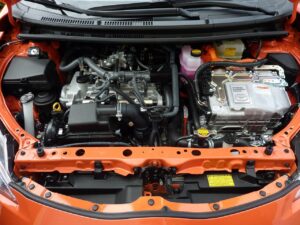
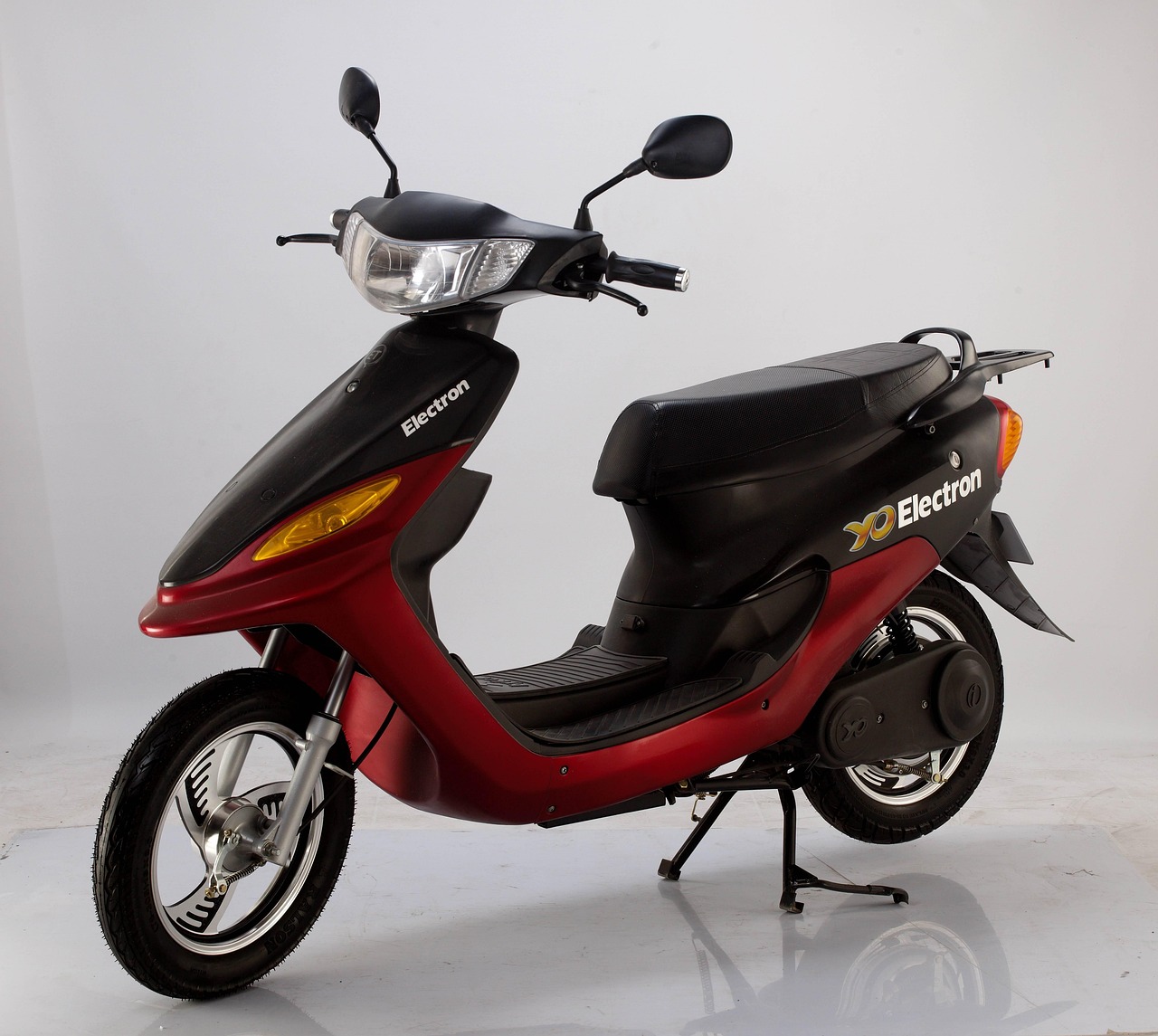
A battery-powered car, also known as an electric vehicle (EV), is a type of automobile that uses one or more electric motors or traction motors for propulsion. These motors are powered by a large battery pack, which is typically charged from an external source of electricity. Battery-powered cars have several key components, including the battery, one or more electric motors, a controller, and a charger. The battery is the most critical component, as it determines the range and performance of the vehicle.
Leading Battery-Powered Car Solutions
1. Tesla
Tesla is one of the most well-known manufacturers of battery-powered cars, with a range of models available, from the affordable Model 3 to the luxurious Model S. Tesla’s vehicles are known for their exceptional performance, advanced technology, and sleek designs.
- Strengths:
- Exceptional performance and acceleration
- Advanced technology, including Autopilot and Supercharger networks
- Sleek and modern designs
- Challenges:
- Higher purchase price compared to traditional gasoline-powered vehicles
- Limited range and charging time
- Dependence on access to charging infrastructure
2. Nissan Leaf
The Nissan Leaf is another popular battery-powered car, known for its affordability and practicality. The Leaf has a range of up to 226 miles on a single charge and features a spacious interior and advanced safety features.
- Strengths:
- Affordable purchase price and lower operating costs
- Spacious interior and comfortable ride
- Advanced safety features, including automatic emergency braking
- Challenges:
- Limited range and charging time
- Less powerful than some other battery-powered cars
- Less sleek and modern design compared to some competitors
| Model | Range | Price |
|---|---|---|
| Tesla Model 3 | 250-326 miles | $35,990-$56,990 |
| Nissan Leaf | 147-226 miles | $29,990-$36,990 |
Practical Takeaways
✔ Reduced greenhouse gas emissions
Battery-powered cars produce zero tailpipe emissions, reducing greenhouse gas emissions and air pollution in urban areas. This makes them an attractive option for environmentally conscious consumers.
✔ Lower operating costs
Battery-powered cars are generally cheaper to run, with lower fuel costs and reduced maintenance needs. This can result in significant cost savings for drivers over time.
✔ Smooth and quiet ride
Battery-powered cars have a smoother and quieter ride than traditional gasoline-powered vehicles, providing a more comfortable driving experience.
✔ Advanced technology
Battery-powered cars often come with advanced technology features, including Autopilot and Supercharger networks, which can enhance the driving experience and provide greater convenience.
✔ Government incentives
Many governments offer incentives for buying battery-powered cars, including tax credits and rebates, which can help reduce the purchase price.
How This Will Evolve
- Improved battery technology will increase range and reduce charging time
- Expansion of charging infrastructure will make battery-powered cars more practical for long-distance travel
- More affordable models will become available, making battery-powered cars accessible to a wider range of consumers
- Advances in autonomous driving technology will enhance the safety and convenience of battery-powered cars
- Increased competition among manufacturers will drive innovation and reduce prices
- Stricter emissions regulations will accelerate the adoption of battery-powered cars
What It All Means
Battery-powered cars are revolutionizing the automotive industry, offering a sustainable, cost-effective, and convenient alternative to traditional gasoline-powered vehicles. As technology continues to improve and governments implement stricter emissions regulations, the demand for battery-powered cars is likely to grow significantly. With their exceptional performance, advanced technology, and sleek designs, battery-powered cars are an attractive option for environmentally conscious consumers and those looking for a smooth and quiet ride.