40% of electric vehicle owners rely on public charging stations as their primary means of charging. This significant reliance on public infrastructure underscores the importance of understanding how to use these stations efficiently. Given the rapid expansion of the electric vehicle market, the demand for accessible and user-friendly public charging solutions has never been more pressing. As the world shifts towards more sustainable transportation options, the need for comprehensive guides on public charging has become increasingly evident.
The public charging network is evolving to meet the growing needs of electric vehicle owners, with improvements in charging speed, payment methods, and station accessibility. However, navigating this network can be challenging for newcomers. The variety of charging types, payment systems, and charging etiquette can overwhelm those new to electric vehicles. Therefore, it’s crucial to have a clear understanding of the basics of public charging to ensure a hassle-free experience.
Understanding the fundamentals of public charging is the first step towards a seamless integration into the electric vehicle community. Whether you’re a seasoned driver or just considering making the switch to an electric vehicle, knowing how to use public charging stations is essential. This knowledge not only enhances your driving experience but also contributes to a more sustainable environment.
Defining Public Charging
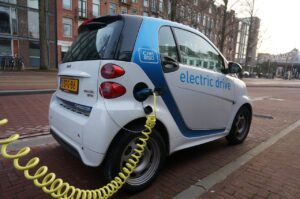
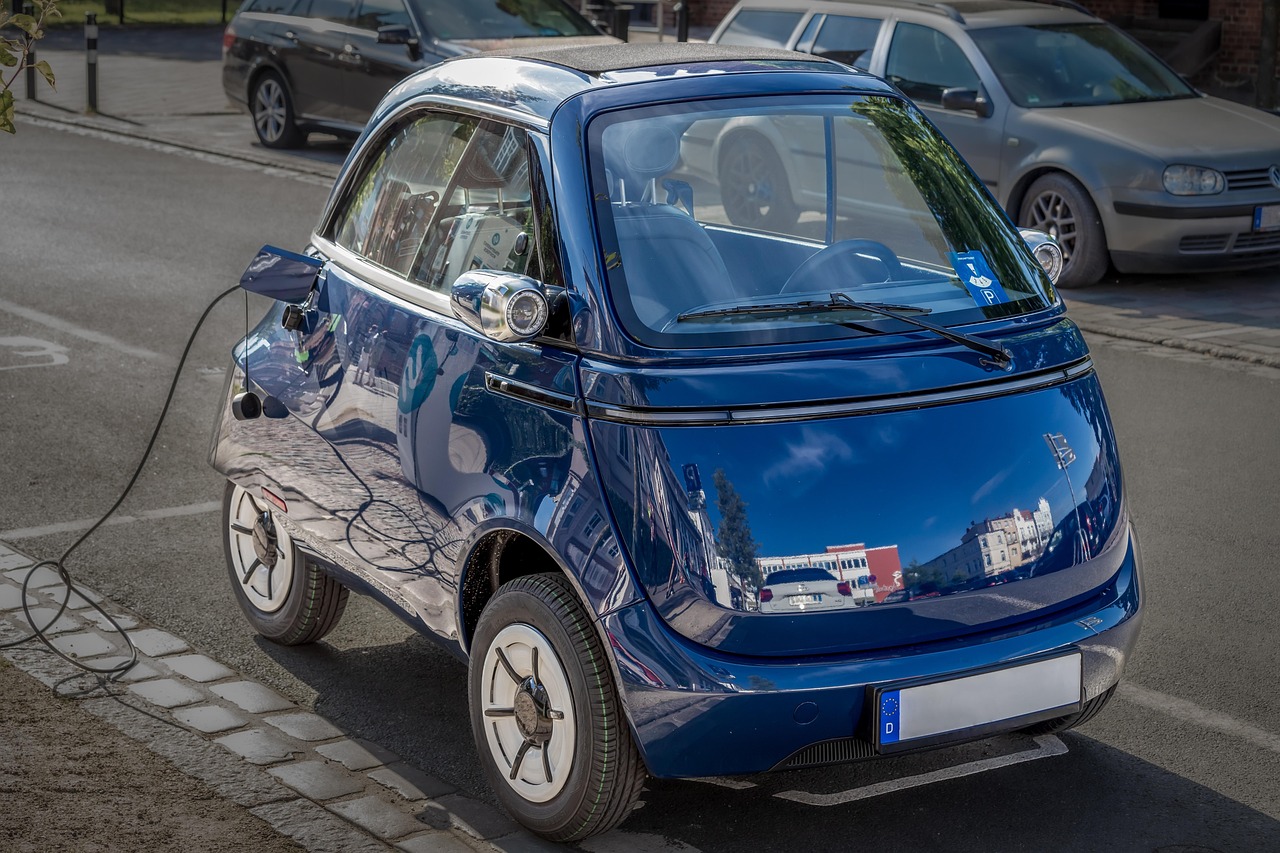
Public charging refers to the use of charging stations located in public areas, such as shopping centers, parking garages, and along highways, to recharge electric vehicles. These stations are designed to provide convenient charging solutions for electric vehicle owners who may not have access to home charging or need to top up their vehicle’s battery while on the go. Public charging stations can be categorized into different types based on their charging speed, with Level 1, Level 2, and DC Fast Charging being the most common.
Public Charging Methods Worth Knowing
1. Level 1 Charging
Level 1 charging is the most basic form of electric vehicle charging, using a standard household outlet to charge the vehicle. This method is the slowest, taking up to 24 hours to fully charge a vehicle, but it’s also the most accessible, as it can be done from any standard electrical outlet.
- What You Gain:
- Convenience of charging at home or any location with a standard outlet
- No additional equipment costs beyond the vehicle’s charging cable
- Suitable for vehicles with smaller batteries or for those who drive short distances
- Hurdles to Overcome:
- Slow charging speeds, making it less practical for long-distance driving
- May not be suitable for vehicles with larger batteries due to prolonged charging times
2. Level 2 Charging
Level 2 charging uses a 240-volt charging station, significantly reducing charging times compared to Level 1. This method can fully charge a vehicle in 4-8 hours, making it a popular choice for both home and public charging stations.
- What You Gain:
- Faster charging speeds, reducing wait times
- Increased convenience for daily driving needs
- Wide compatibility with most electric vehicles
- Hurdles to Overcome:
- Requires the installation of a 240-volt charging station, which can be costly
- May require a dedicated 40-amp circuit, which could add to the installation cost
| Charging Level | Voltage | Charging Speed | Typical Use |
|---|---|---|---|
| Level 1 | 120V | 2-5 miles per hour | Home charging for short-distance drivers |
| Level 2 | 240V | 10-20 miles per hour | Home and public charging for daily driving |
| DC Fast Charging | 400-900V | 60-100 miles per 20 minutes | Long-distance driving, highway charging |
What This Means in Practice
✔ Convenience:
Public charging offers the convenience of charging your vehicle while you’re at work, shopping, or dining, making electric vehicle ownership more practical for a wider range of people.
✔ Accessibility:
The expansion of public charging networks improves accessibility for electric vehicle owners, allowing them to travel longer distances without range anxiety.
✔ Sustainability:
By supporting the use of electric vehicles, public charging contributes to a reduction in greenhouse gas emissions, promoting a more sustainable transportation sector.
✔ Cost-Effectiveness:
Public charging can be cost-effective, especially for those who do not have access to home charging, as it eliminates the need for a home charging installation.
✔ Variety of Charging Options:
The diversity in public charging solutions, from Level 1 to DC Fast Charging, caters to different needs and preferences, ensuring that there’s a charging method suitable for every electric vehicle owner.
✔ Continuous Improvement:
The public charging infrastructure is continuously improving, with advancements in charging technology, user-friendly payment systems, and increased station reliability.
What’s Coming
- Widespread adoption of high-speed charging technologies, enabling faster charging times
- Integration of public charging stations with renewable energy sources, enhancing sustainability
- Expansion of charging networks into more rural areas, improving accessibility for all
- Development of more user-friendly charging systems, including mobile apps for easy payment and station location
- Increased collaboration between charging network providers to offer seamless, coast-to-coast charging experiences
- Government incentives and investments in public charging infrastructure to support the growth of electric vehicle adoption
Worth Remembering
Public charging is a vital component of the electric vehicle ecosystem, providing owners with the flexibility and convenience they need to embrace sustainable transportation fully. As technology continues to evolve, the efficiency, accessibility, and affordability of public charging will play a crucial role in the widespread adoption of electric vehicles. Understanding the basics of public charging and keeping up with the latest developments in the field will make the transition to electric vehicle ownership smoother and more enjoyable.