23% of global energy production now comes from renewable sources, a significant increase from the 16% in 2009. This shift towards green energy is driven by the need to reduce greenhouse gas emissions and mitigate climate change. However, despite the growth in green energy production, several common mistakes can hinder its effectiveness. Understanding these mistakes is crucial for maximizing the benefits of green energy.
The integration of green energy into existing power grids and the development of new technologies are complex processes. Mistakes in these areas can lead to inefficiencies, increased costs, and reduced public support for green energy initiatives. It is essential to identify and address these mistakes to ensure a smooth transition to a more sustainable energy system.
The importance of green energy cannot be overstated, given its potential to significantly reduce carbon emissions and help meet global climate change targets. As the world continues to transition towards renewable energy sources, it is critical to learn from past mistakes and implement best practices in green energy development and integration.
Breaking Down Green Energy
Green energy, also known as renewable energy, is derived from natural resources that can be replenished over time, such as sunlight, wind, rain, and geothermal heat. Unlike fossil fuels, which are finite and contribute to climate change, green energy is sustainable and has a much lower environmental impact. The diversity of green energy sources allows for widespread adoption and reduces dependence on any single energy source.
Major Green Energy Developments
1. Solar Energy
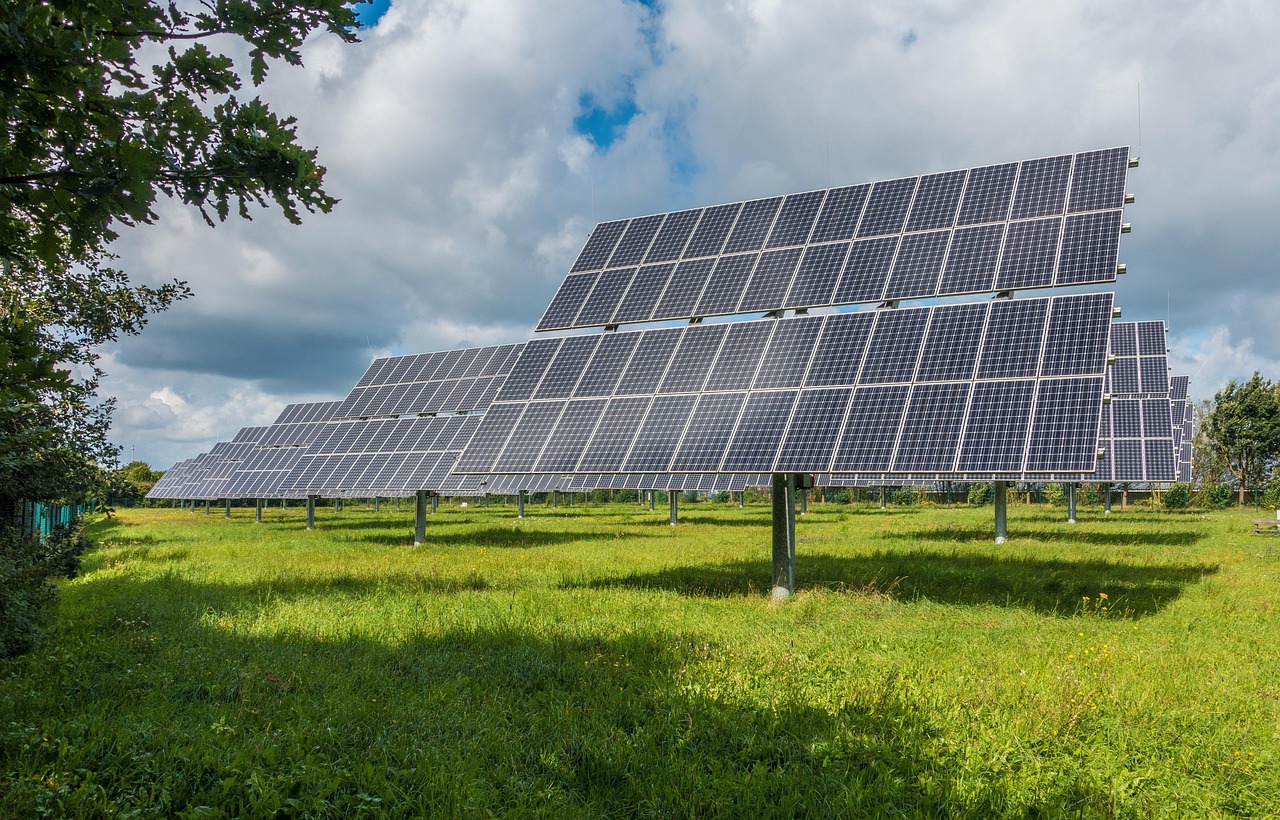
Solar energy is one of the fastest-growing green energy sectors, with solar panels becoming increasingly efficient and affordable. The development of solar energy has been marked by significant advancements in technology, leading to higher energy output and lower production costs.
- What You Gain:
- Renewable and sustainable energy source
- Lower greenhouse gas emissions
- Energy independence for homes and businesses
- What Needs Work:
- Intermittent energy supply due to weather conditions
- High initial investment costs for solar panel installation
- Land requirements for large-scale solar farms
2. Wind Energy
Wind energy is another vital component of green energy, with wind turbines generating electricity by converting the kinetic energy of wind into electrical power. The development of larger, more efficient turbines has increased the viability of wind energy as a significant contributor to the global energy mix.
- What You Gain:
- Abundant and renewable resource
- Low operating costs once installed
- Can be used for both electricity generation and mechanical power
- What Needs Work:
- Noisy operation and visual impact of wind turbines
- Intermittent energy supply due to variable wind speeds
- Potential wildlife impacts, particularly for birds and bats
| Energy Source | Capacity Factor | Greenhouse Gas Emissions (g CO2/kWh) |
|---|---|---|
| Solar PV | 15-20% | 2-4 |
| Wind | 30-45% | 2-5 |
| Hydroelectric | 40-60% | 1-3 |
Why This Matters to You
✔ Reduced Energy Costs
Investing in green energy can lead to significant savings on energy bills over time, especially for homeowners who install solar panels or participate in community wind energy projects.
✔ Increased Energy Independence
By generating your own energy, you reduce your reliance on the grid and are less affected by power outages or price fluctuations.
✔ Environmental Benefits
Green energy helps reduce greenhouse gas emissions and other pollutants, contributing to a cleaner environment and mitigating the impacts of climate change.
✔ Job Creation and Economic Growth
The green energy sector is creating new job opportunities in manufacturing, installation, and maintenance, contributing to local and national economies.
✔ Improved Public Health
By reducing air pollution from fossil fuels, green energy can lead to improved public health, reducing the incidence of respiratory diseases and other health issues.
✔ Enhanced Energy Security
Diversifying energy sources through green energy reduces dependence on imported fuels, enhancing energy security and reducing the impact of price volatility.
Emerging Directions
- Advancements in energy storage technology to address intermittency issues
- Increased adoption of smart grids to manage energy distribution more efficiently
- Development of floating wind turbines for offshore wind energy
- Integration of green energy with electric vehicle charging infrastructure
- Expanded use of green bonds and other financial instruments to support renewable energy projects
- Research into new materials and technologies for more efficient solar panels and wind turbines
The Bottom Line
Green energy is a crucial component of a sustainable future, offering numerous benefits including reduced energy costs, increased energy independence, and significant environmental advantages. Understanding and addressing common mistakes in green energy development and integration are essential for maximizing these benefits and ensuring a successful transition to renewable energy sources. As technology continues to evolve and economies of scale improve, the potential for green energy to transform the global energy landscape is substantial.
The future of green energy looks promising, with ongoing innovations and investments aimed at overcoming current challenges and limitations. Embracing green energy not only contributes to a cleaner environment but also presents economic opportunities and enhances energy security.
Ultimately, the widespread adoption of green energy will depend on continued technological advancements, supportive policies, and public awareness of its importance and benefits. By working together to address the common mistakes and challenges in green energy, it is possible to create a more sustainable, equitable, and environmentally conscious energy system for generations to come.