Are individuals and communities doing enough to reduce their reliance on polluting forms of transportation? Is it possible for eco-friendly transportation methods to become the primary mode of travel in the near future? The shift towards eco-friendly transportation is not just a trend, but a necessity for a sustainable future. As concerns about climate change and environmental degradation continue to grow, it is essential to rethink the way people travel.
What Is Eco-Friendly Transportation?
Eco-friendly transportation refers to modes of transportation that produce minimal or no harm to the environment. This includes electric vehicles, hybrid cars, bicycles, walking, and public transportation, among others. The primary goal of eco-friendly transportation is to reduce the carbon footprint and minimize pollution, thereby contributing to a cleaner and healthier environment.
Core Eco-Friendly Transportation Approaches
1. Electric Vehicles
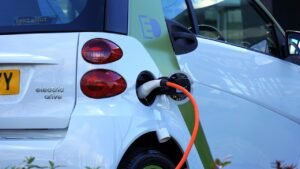
Electric vehicles are an increasingly popular mode of eco-friendly transportation. They are powered by electric motors, which are fueled by batteries that can be charged from an external electricity source. The benefits of electric vehicles are numerous, including zero tailpipe emissions and lower operating costs.
- Strengths:
- Zero tailpipe emissions, reducing air pollution in urban areas
- Lower operating costs, as electricity is generally cheaper than gasoline
- Smooth and quiet ride, enhancing the overall driving experience
- What Needs Work:
- High upfront costs, making them less accessible to some consumers
- Limited charging infrastructure, although this is rapidly improving
- Battery durability and recycling, which are areas of ongoing research
2. Public Transportation
Public transportation is another essential aspect of eco-friendly transportation. By using buses, trains, and subways, individuals can significantly reduce their carbon footprint. Public transportation systems are designed to carry large numbers of passengers, making them a more efficient mode of transportation compared to personal vehicles.
- Strengths:
- Reduced carbon footprint per passenger, compared to personal vehicles
- Lower operating costs for individuals, as they do not have to maintain a personal vehicle
- Increased mobility for those who cannot drive or do not have access to a vehicle
- What Needs Work:
- Frequency and reliability of services, which can vary greatly depending on the location
- Comfort and cleanliness of vehicles, which can impact the overall user experience
- Integration with other modes of transportation, such as bicycles and pedestrian paths
| Mode of Transportation | Carbon Footprint (g/mile) | Operating Costs (cents/mile) |
|---|---|---|
| Electric Vehicle | 0 | 3-5 |
| Hybrid Car | 150-200 | 5-10 |
| Public Bus | 50-100 | 10-20 |
Practical Takeaways
✔ Reduced Carbon Footprint
By switching to eco-friendly transportation methods, individuals can significantly reduce their carbon footprint, contributing to a cleaner environment.
✔ Lower Operating Costs
Eco-friendly transportation options, such as electric vehicles and public transportation, can lower operating costs for individuals, as they are often cheaper to run and maintain.
✔ Improved Air Quality
Eco-friendly transportation methods produce minimal or no emissions, improving air quality in urban areas and contributing to better public health.
✔ Increased Mobility
Public transportation systems can increase mobility for those who cannot drive or do not have access to a vehicle, promoting social equity and inclusion.
✔ Government Incentives
Many governments offer incentives for individuals and businesses to adopt eco-friendly transportation methods, such as tax credits and subsidies for electric vehicles.
✔ Community Engagement
Community engagement and education are crucial for promoting eco-friendly transportation, as they can raise awareness about the benefits and encourage individuals to make the switch.
How This Will Evolve
- Advancements in technology will lead to more efficient and affordable eco-friendly transportation options.
- Increased investment in public transportation systems will improve services and expand accessibility.
- Government policies and regulations will continue to support the adoption of eco-friendly transportation methods.
- Public awareness and education campaigns will promote the benefits of eco-friendly transportation and encourage behavioral change.
- The development of new infrastructure, such as charging stations and bike lanes, will facilitate the use of eco-friendly transportation modes.
- International cooperation and agreements will accelerate the global transition to eco-friendly transportation systems.
Final Thoughts
The transition to eco-friendly transportation is a critical step towards creating a more sustainable future. By understanding the benefits and challenges of different eco-friendly transportation modes, individuals and communities can make informed decisions about their travel choices. As technology continues to evolve and policies support the adoption of eco-friendly transportation, it is likely that these modes will become the norm, rather than the exception.