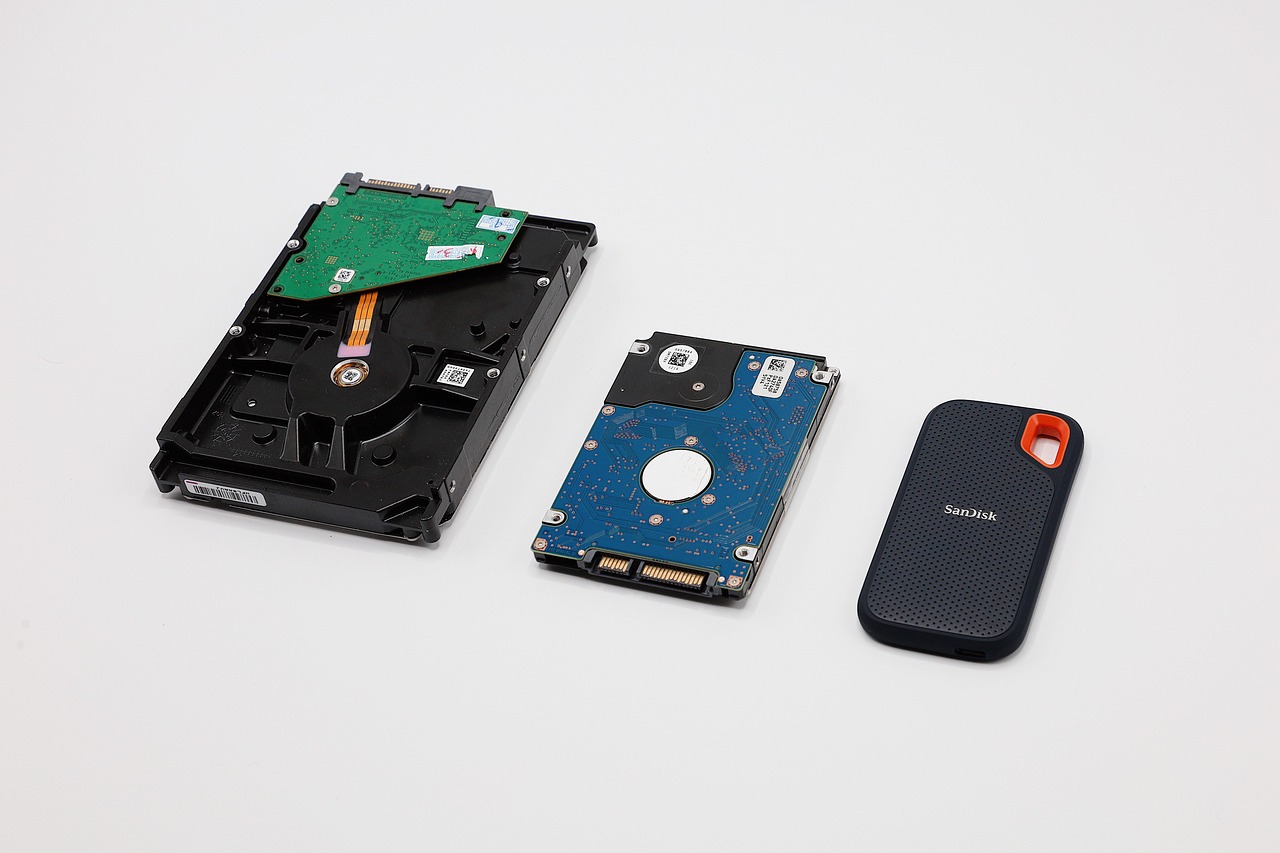
Solid-state batteries are transforming the way we think about energy storage, promising enhanced safety, improved performance, and increased efficiency. This technology has the potential to significantly impact various industries, from consumer electronics to electric vehicles. As research and development continue to advance, it’s essential to understand the basics of solid-state batteries and their potential applications. With their enhanced capabilities, solid-state batteries are set to play a critical role in shaping the future of energy storage.
A Closer Look at Solid-State Batteries
A solid-state battery is a type of battery that replaces the liquid or gel-like electrolyte found in traditional batteries with a solid material, such as a ceramic, glass, or solid polymer. This design enhances the battery’s safety, energy density, and charging speed. Solid-state batteries operate on the same principle as traditional lithium-ion batteries but with a solid electrolyte, which reduces the risk of thermal runaway and improves overall performance.
Leading Solid-State Battery Solutions
1. Factorial Energy
Factorial Energy is a company at the forefront of solid-state battery development, focusing on creating high-energy density batteries for electric vehicles and other applications. Their technology aims to increase the range and efficiency of electric vehicles while reducing production costs.
- What You Gain:
- Improved safety due to the elimination of liquid electrolytes
- Increased energy density for longer battery life
- Faster charging times
- Challenges:
- High development and production costs
- Scalability and mass production challenges
- Material stability and durability concerns
2. QuantumScape
QuantumScape is another leading company in the solid-state battery sector, with a focus on developing batteries for the automotive industry. Their solid-state battery technology promises to significantly enhance the performance, safety, and range of electric vehicles.
- What You Gain:
- Enhanced battery performance and efficiency
- Improved safety features
- Potential for reduced battery costs
- Challenges:
- Technical challenges in solid electrolyte development
- Scaling up production while maintaining quality
- Ensuring compatibility with existing vehicle designs
| Company | Technology Focus | Target Applications |
|---|---|---|
| Factorial Energy | High-energy density solid-state batteries | Electric vehicles, energy storage systems |
| QuantumScape | Solid-state battery technology for automotive | Electric vehicles, automotive industry |
What This Means in Practice
✔ Enhanced Safety
Solid-state batteries reduce the risk of thermal runaway and fires, making them safer for use in consumer electronics and electric vehicles.
✔ Improved Performance
With higher energy density and faster charging capabilities, solid-state batteries can significantly improve the performance and range of electric vehicles and other devices.
✔ Increased Efficiency
Solid-state batteries can achieve higher efficiency rates than traditional lithium-ion batteries, leading to longer battery life and reduced energy consumption.
✔ Potential Cost Reductions
As solid-state battery technology advances and scales, there is potential for reduced production costs, making electric vehicles and renewable energy systems more accessible.
✔ Expanded Applications
The improved safety, efficiency, and performance of solid-state batteries can enable new applications in fields such as aerospace, medical devices, and smart grids.
✔ Environmental Benefits
By enhancing the efficiency and lifespan of batteries used in electric vehicles and renewable energy systems, solid-state batteries can contribute to reduced greenhouse gas emissions and a cleaner environment.
Looking Ahead
- Solid-state battery technology is expected to become more prevalent in electric vehicles over the next decade, driving growth in the automotive sector.
- Advancements in solid-state battery design will lead to increased energy density and faster charging speeds.
- The development of scalable and cost-effective manufacturing processes will be crucial for the widespread adoption of solid-state batteries.
- Research into new materials and electrolytes will continue to play a vital role in improving solid-state battery performance and safety.
- Government regulations and incentives are likely to support the development and integration of solid-state battery technology into various industries.
- Collaboration between industry leaders, startups, and academic institutions will be essential for overcoming the technical and commercial challenges associated with solid-state batteries.
One Last Thing
Solid-state batteries represent a significant leap forward in energy storage technology, offering enhanced safety, improved performance, and increased efficiency. As this technology continues to evolve, it is poised to have a profound impact on various sectors, from consumer electronics to renewable energy systems. The future of solid-state batteries looks promising, with ongoing research and development aimed at addressing current challenges and unlocking their full potential.