Urban mobility is gaining attention right now due to the rapid increase in urbanization and the growing concerns about environmental sustainability. As more people move to cities, the need for efficient and sustainable transportation systems has become a pressing issue. Urban mobility is not just about moving people from one place to another, but also about creating livable cities with reduced congestion and pollution. The impact of urban mobility on daily commutes and city planning cannot be overstated, and it is essential to understand the complexities of this issue.
What Does Urban Mobility Mean?
Urban mobility refers to the ability of people to move freely and easily within a city, using various modes of transportation such as walking, cycling, public transportation, and private vehicles. It encompasses not only the physical infrastructure of a city, such as roads and public transportation systems, but also the social and economic factors that influence how people move around. Urban mobility is critical to the economic and social development of a city, as it affects the quality of life, productivity, and accessibility of goods and services.
Urban Mobility Methods Worth Knowing
1. Public Transportation Systems
Public transportation systems, such as buses and trains, are a crucial component of urban mobility. These systems provide an efficient and affordable way for people to move around the city, reducing the number of private vehicles on the road and decreasing congestion and pollution.
- What You Gain:
- Reduced traffic congestion
- Lower air pollution
- Increased mobility for low-income and marginalized communities
- Challenges:
- Funding and investment in public transportation infrastructure
- Coordinating multiple transportation modes and systems
- Addressing issues of accessibility and equity
2. Non-Motorized Transportation
Non-motorized transportation, such as walking and cycling, is another essential aspect of urban mobility. These modes of transportation are not only environmentally friendly but also promote physical activity and social interaction.
- What You Gain:
- Improved air quality
- Increased physical activity and health benefits
- Enhanced social interaction and community engagement
- Challenges:
- Infrastructure and safety concerns, such as lack of dedicated bike lanes and pedestrian-friendly roads
- Changing user behavior and promoting a culture of non-motorized transportation
- Addressing issues of accessibility and equity
| Mode of Transportation | Environmental Impact | Social Benefits |
|---|---|---|
| Public Transportation | Reduced air pollution and greenhouse gas emissions | Increased mobility and accessibility for low-income and marginalized communities |
| Non-Motorized Transportation | Zero emissions and improved air quality | Promotes physical activity, social interaction, and community engagement |
Practical Takeaways
✔ Invest in public transportation infrastructure
Investing in public transportation infrastructure, such as buses and trains, can significantly reduce traffic congestion and air pollution, while increasing mobility and accessibility for all members of society.
✔ Promote non-motorized transportation
Promoting non-motorized transportation, such as walking and cycling, can have numerous environmental, social, and health benefits, while also reducing the number of private vehicles on the road.
✔ Implement congestion pricing
Implementing congestion pricing, which charges drivers a fee for entering certain areas of the city, can help reduce traffic congestion and generate revenue for transportation infrastructure and services.
✔ Enhance pedestrian and cyclist safety
Enhancing pedestrian and cyclist safety, through infrastructure improvements and education campaigns, is critical to promoting non-motorized transportation and reducing the risk of accidents and injuries.
✔ Foster a culture of urban mobility
Fostering a culture of urban mobility, which values and promotes sustainable and efficient transportation, is essential to creating livable cities and improving the quality of life for all members of society.
The Road Ahead
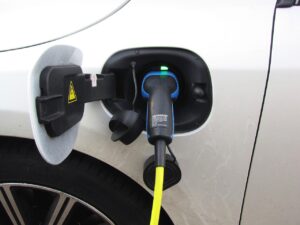
- Increased investment in electric and hybrid vehicles
- Expansion of public transportation systems and services
- Growing demand for non-motorized transportation options
- Greater emphasis on pedestrian and cyclist safety
- Integration of new technologies, such as autonomous vehicles and smart traffic management systems
- More focus on creating livable and sustainable cities, with a high quality of life for all members of society
The Bottom Line
Urban mobility is a complex and multifaceted issue that requires a comprehensive and integrated approach. By investing in public transportation infrastructure, promoting non-motorized transportation, and fostering a culture of urban mobility, cities can reduce traffic congestion and air pollution, while improving the quality of life for all members of society. Ultimately, creating livable and sustainable cities is essential to promoting economic growth, social equity, and environmental sustainability.