Electric vehicles are revolutionizing the automotive industry, but numerous myths and misconceptions surround them. As the world shifts towards more sustainable and environmentally friendly options, it’s essential to separate fact from fiction. Electric vehicles have made significant strides in recent years, offering a viable alternative to traditional gasoline-powered cars. However, many potential buyers are still hesitant due to misconceptions about their capabilities and limitations.
Defining Electric Vehicles
Electric vehicles, also known as EVs, are cars that are powered solely by electricity from a battery, rather than by an internal combustion engine. They offer a cleaner, more efficient, and potentially cost-effective alternative to traditional vehicles. EVs have zero tailpipe emissions, reducing air pollution and greenhouse gas emissions that contribute to climate change. With advancements in technology, electric vehicles are becoming increasingly capable, with many models offering impressive range, performance, and features.
Latest Electric Vehicle Technologies
1. Battery Technology
Battery technology has been a crucial factor in the development of electric vehicles. Advances in battery design, materials, and manufacturing have led to significant improvements in range, efficiency, and cost. Modern electric vehicles often feature lithium-ion batteries, which offer high energy density, long lifespan, and relatively low weight.
- Why It Works:
- High energy density allows for longer range and smaller battery packs
- Improved efficiency reduces energy consumption and increases overall performance
- Longer lifespan reduces maintenance and replacement costs
- Drawbacks:
- High upfront costs, although decreasing over time
- Charging time, although fast-charging technology is becoming more prevalent
2. Charging Infrastructure
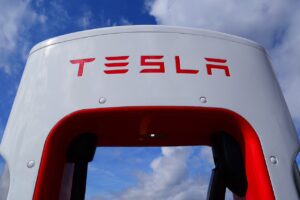
Charging infrastructure has expanded significantly in recent years, with the installation of public charging stations and the development of fast-charging technology. This has helped alleviate range anxiety, making electric vehicles more practical for long-distance travel.
- Why It Works:
- Convenient public charging stations, often located near shopping centers and rest stops
- Fast-charging technology, allowing for quick top-ups and reducing downtime
- Increasing investment in charging infrastructure, expanding access and availability
- Drawbacks:
- Limited availability in some areas, particularly rural regions
- High costs associated with installing and maintaining public charging stations
| Electric Vehicle Model | Range (miles) | Charge Time (hours) |
|---|---|---|
| Tesla Model 3 | 250-325 | 4-6 |
| Chevrolet Bolt | 238 | 9-12 |
| Nissan Leaf | 147-226 | 4-6 |
What This Means in Practice
✔ Reduced Emissions
Electric vehicles produce zero tailpipe emissions, reducing air pollution and greenhouse gas emissions that contribute to climate change. This makes them an attractive option for environmentally conscious consumers.
✔ Lower Operating Costs
Electric vehicles are generally cheaper to run, with lower fuel costs and reduced maintenance requirements. This can lead to significant savings over the lifespan of the vehicle.
✔ Improved Performance
Electric vehicles often feature instant torque and smooth acceleration, providing a more enjoyable driving experience. They also tend to have a lower center of gravity, improving handling and stability.
✔ Increased Convenience
With the expansion of public charging infrastructure and the development of fast-charging technology, electric vehicles are becoming increasingly practical for long-distance travel.
✔ Government Incentives
Many governments offer incentives for purchasing electric vehicles, such as tax credits, rebates, and exemptions from certain fees. These incentives can help offset the higher upfront costs of electric vehicles.
✔ Technological Advancements
The electric vehicle industry is driving innovation, with advancements in battery technology, charging infrastructure, and vehicle design. This has led to significant improvements in range, efficiency, and overall performance.
Upcoming Trends
- Increased adoption of electric vehicles, driven by government policies and declining costs
- Advances in battery technology, leading to longer range and faster charging times
- Expansion of public charging infrastructure, making electric vehicles more practical for long-distance travel
- Growing competition in the electric vehicle market, driving innovation and reducing prices
- Integration of electric vehicles with renewable energy sources, such as solar and wind power
- Development of autonomous electric vehicles, potentially revolutionizing the transportation industry
One Last Thing
As the world continues to shift towards more sustainable and environmentally friendly options, electric vehicles are poised to play a significant role. With their numerous benefits, including reduced emissions, lower operating costs, and improved performance, it’s essential to separate fact from fiction and understand the realities of electric vehicles. By doing so, consumers can make informed decisions and contribute to a cleaner, more sustainable future.