Contrary to the common assumption that Electric Vehicle Supply Equipment (EVSE) is a static technology, the industry has been undergoing rapid transformations. The demand for more efficient, faster, and smarter charging solutions has driven innovation in EVSE. As the world shifts towards electric vehicles, the importance of advanced EVSE cannot be overstated. The future of transportation depends on the ability to charge vehicles quickly and conveniently.
What Does EVSE Mean?
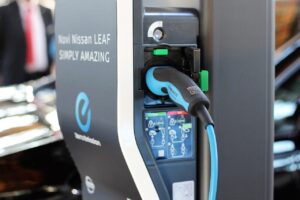
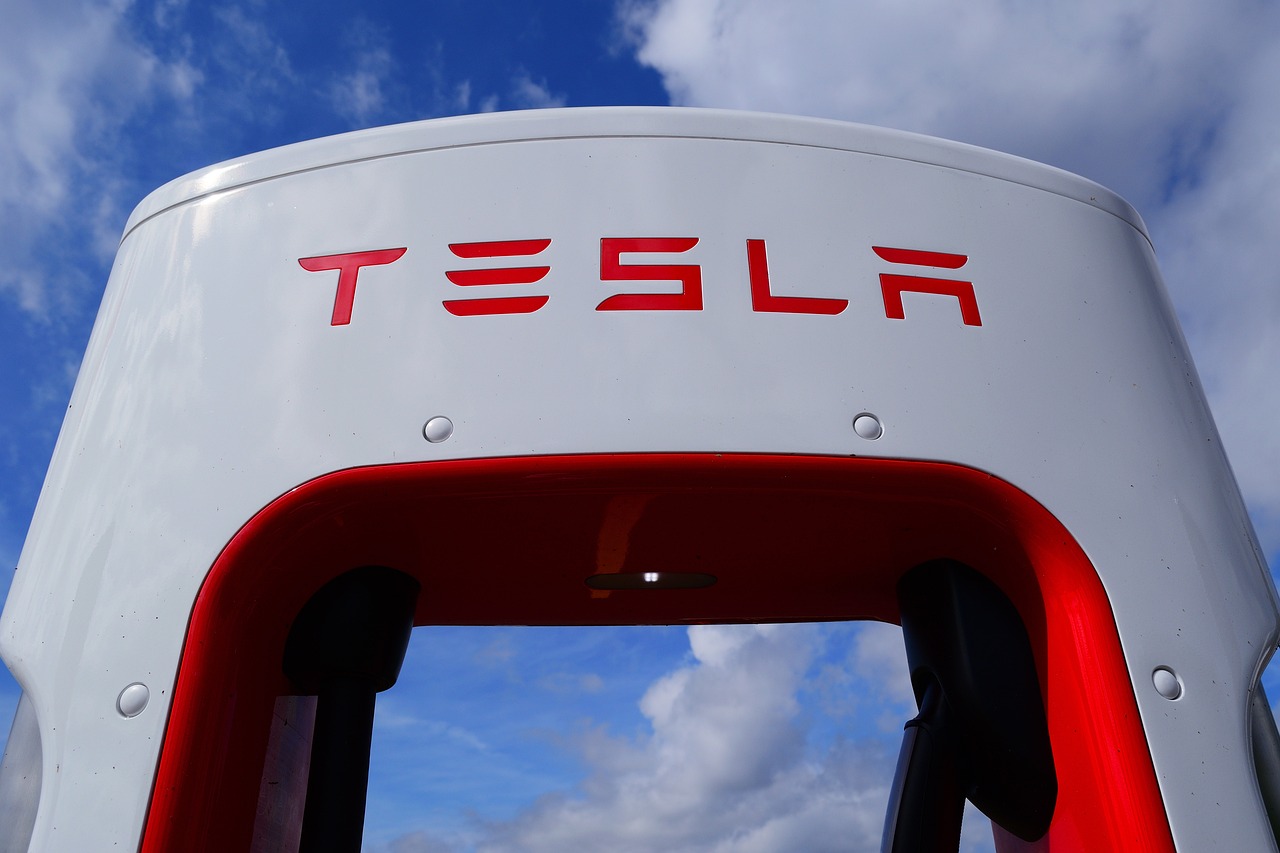
EVSE, or Electric Vehicle Supply Equipment, refers to the infrastructure used to charge electric vehicles. This includes charging stations, both public and private, as well as the hardware and software necessary to manage the charging process. EVSE is crucial for the widespread adoption of electric vehicles, as it addresses the fundamental need for a reliable and efficient charging network.
Latest EVSE Technologies
1. High-Power Charging
High-power charging technology has emerged as a significant advancement in EVSE, enabling vehicles to charge at much faster rates than standard charging methods. This development is particularly important for long-distance travel, where the ability to quickly recharge can significantly reduce overall travel time.
- Plus Points:
- Faster charging times, improving the usability of electric vehicles for long trips.
- Increased efficiency, reducing the time vehicles spend at charging stations.
- Potential for reduced charging station congestion, as vehicles can charge and leave more quickly.
- Hurdles to Overcome:
- Higher upfront costs for high-power charging infrastructure.
- Requirements for more powerful electrical supplies, which may necessitate grid upgrades.
- Potential impacts on vehicle batteries from frequent high-power charging.
2. Smart Charging Systems
Smart charging systems are becoming integral to modern EVSE, offering advanced management of charging sessions. These systems can optimize energy distribution, prioritize charging based on energy availability, and even facilitate vehicle-to-grid (V2G) energy transfer, where electric vehicles can supply energy back to the grid.
- Plus Points:
- Efficient energy use, reducing strain on the electrical grid during peak hours.
- Potential for reduced energy costs for both consumers and utilities.
- Enhanced grid stability through the optimization of energy supply and demand.
- Hurdles to Overcome:
- Complexity in implementing smart charging infrastructure, requiring sophisticated software and hardware.
- Standardization challenges across different smart charging systems and vehicles.
- Privacy and security concerns related to the collection and management of vehicle and user data.
| Charging Type | Power Level | Charging Time (0-80%) |
|---|---|---|
| Level 1 | 1.4 kW | 24 hours |
| Level 2 | 7.2 kW | 4-6 hours |
| DC Fast Charging | 50 kW – 350 kW | 30 minutes – 1 hour |
Real-World Benefits
✔ Increased Adoption of Electric Vehicles
The availability of efficient and convenient charging solutions is a key factor in the decision to purchase an electric vehicle. Advanced EVSE technologies make electric vehicles more appealing to a wider audience.
✔ Reduced Greenhouse Gas Emissions
By facilitating the use of electric vehicles, EVSE contributes to the reduction of greenhouse gas emissions from transportation, helping to mitigate climate change.
✔ Improved Air Quality
Electric vehicles produce zero tailpipe emissions, reducing air pollution in urban areas and improving public health.
✔ Enhanced Energy Efficiency
Modern EVSE technologies optimize energy use, reducing waste and the strain on electrical grids, especially during peak demand periods.
✔ Economic Benefits
The growth of the EVSE industry creates new job opportunities and stimulates economic growth through investments in infrastructure and technology.
✔ Increased Energy Independence
By supporting the transition to electric vehicles, EVSE helps reduce dependence on fossil fuels, contributing to energy security and sustainability.
The Next 5 Years
- Predicted widespread adoption of high-power charging stations along major highways.
- Increased integration of smart charging systems with renewable energy sources.
- Development of more efficient and cost-effective battery technologies for electric vehicles.
- Expansion of EVSE infrastructure in urban and rural areas to support equitable access to charging facilities.
- Growing emphasis on vehicle-to-everything (V2X) technologies, enabling electric vehicles to supply energy to homes, businesses, and back to the grid.
- Standardization efforts across the EVSE industry to ensure interoperability and simplify the charging experience for users.
One Last Thing
The future of EVSE is closely tied to the overall transition to sustainable energy and transportation. As technologies continue to evolve, the importance of investing in advanced EVSE infrastructure will only grow. The coming years will be crucial in shaping the trajectory of the electric vehicle market and the role EVSE plays in it.
Understanding and embracing these changes will be essential for individuals, businesses, and governments looking to navigate the shifting landscape of transportation and energy.
By focusing on innovation and sustainability, the EVSE industry is poised to make significant strides in the pursuit of a cleaner, more efficient future for all.