By 2025, it is estimated that over 50% of new car sales will be electric vehicles, with many countries investing heavily in electric vehicle infrastructure. Currently, there are over 2 million public charging points worldwide, with this number expected to grow to over 10 million by 2030. The growth of the electric vehicle market is driven by government policies, declining battery costs, and increasing consumer demand for sustainable transportation options. As the demand for electric vehicles continues to rise, the need for efficient and reliable electric vehicle charging infrastructure has become a major focus for governments, companies, and consumers alike.
A Closer Look at EV Infrastructure
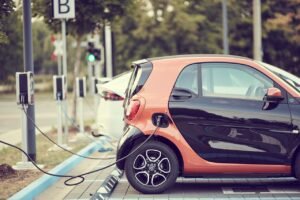
Electric vehicle infrastructure refers to the network of charging points, stations, and systems that support the charging of electric vehicles. This includes public charging points, home charging stations, and fast-charging corridors along highways. A well-developed EV infrastructure is essential for the widespread adoption of electric vehicles, as it provides consumers with the confidence to purchase and use electric vehicles without range anxiety. The development of EV infrastructure involves the collaboration of governments, companies, and consumers to create a comprehensive and efficient charging network.
Top EV Innovations to Know
1. High-Power Charging
High-power charging is a technology that enables the rapid charging of electric vehicles, with some systems capable of delivering up to 350 kW of power. This technology is essential for long-distance electric vehicle travel, as it allows vehicles to charge to 80% in under 30 minutes.
- Advantages:
- Faster charging times
- Increased convenience for long-distance travel
- Reduced range anxiety
- Drawbacks:
- Higher installation costs
- Increased energy consumption
2. Smart Charging Systems
Smart charging systems are advanced charging technologies that optimize the charging process based on various factors such as energy demand, vehicle type, and charging speed. These systems can help reduce energy consumption, lower charging costs, and improve the overall efficiency of the charging network.
- Advantages:
- Energy efficiency
- Cost savings
- Improved charging experience
- Drawbacks:
- Higher upfront costs
- Complexity of installation and maintenance
| Charging Technology | Charging Speed | Charging Time |
|---|---|---|
| Level 1 (120V) | 2-5 miles/hour | 12-24 hours |
| Level 2 (240V) | 10-20 miles/hour | 4-8 hours |
| DC Fast Charging | 60-80 miles/30 minutes | 30 minutes |
Why People Are Paying Attention
✔ Increased investment in EV infrastructure
Governments and companies are investing heavily in electric vehicle infrastructure, with many countries committing to significant investments in charging points and stations.
✔ Growing demand for electric vehicles
The demand for electric vehicles is increasing rapidly, driven by declining battery costs, government incentives, and growing consumer awareness of the environmental benefits of electric vehicles.
✔ Advancements in charging technology
Advances in charging technology, such as high-power charging and smart charging systems, are improving the efficiency and convenience of electric vehicle charging.
✔ Reduced range anxiety
The expansion of electric vehicle charging infrastructure is reducing range anxiety, as consumers become more confident in their ability to charge their vehicles on the go.
✔ Environmental benefits
Electric vehicles offer significant environmental benefits, including reduced greenhouse gas emissions and improved air quality, making them an attractive option for consumers and governments alike.
Upcoming Trends
- Increased adoption of high-power charging technology
- Expansion of smart charging systems and grid management
- Growing investment in electric vehicle charging infrastructure
- Development of new business models for electric vehicle charging
- Increased focus on sustainable and renewable energy sources for electric vehicle charging
- Integration of electric vehicle charging with other modes of transportation, such as public transit and ride-sharing
Closing Thoughts
The electric vehicle market is poised for significant growth in the coming years, driven by investments in EV infrastructure and advancements in charging technology. As the demand for electric vehicles continues to rise, the development of efficient and reliable electric vehicle charging infrastructure will be essential for the widespread adoption of electric vehicles. The future of electric vehicle charging holds much promise, with many opportunities for innovation and growth.