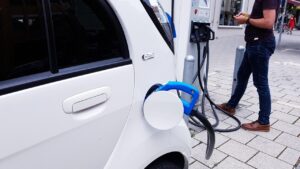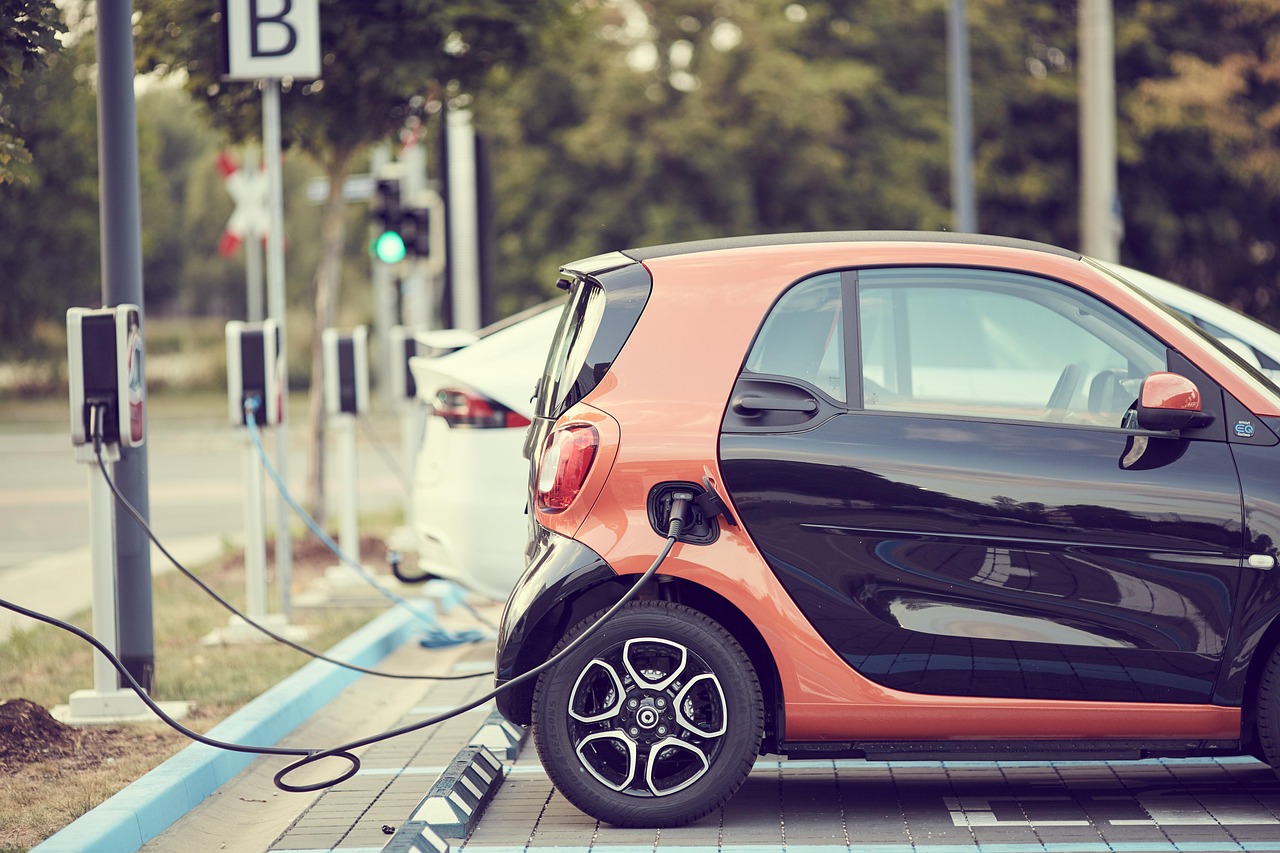
10,000 public charging stations have been installed across the United States in the past year alone, highlighting the rapid growth of the charging network. This significant increase in charging infrastructure is a crucial factor in the adoption of electric vehicles. As the demand for electric vehicles continues to rise, the need for a comprehensive and efficient charging network becomes more pressing. The development of charging networks is transforming the way people travel, enabling longer journeys and reducing range anxiety.
What Does Charging Network Mean?
A charging network refers to the system of charging stations, payment platforms, and software that enable electric vehicles to recharge. It encompasses a wide range of components, including fast-charging corridors along highways, public charging stations in urban areas, and home charging points. A well-developed charging network is essential for the widespread adoption of electric vehicles, as it provides drivers with the confidence to travel long distances without worrying about running out of charge.
Latest Charging Network Technologies
1. Fast Charging
Fast charging technology has revolutionized the charging network, enabling electric vehicles to charge to 80% in under 30 minutes. This significant reduction in charging time has made long-distance travel more practical, as drivers can quickly recharge their vehicles during rest stops.
- Key Benefits:
- Reduced charging time
- Increased driving range
- Improved driver experience
- Current Limitations:
- Higher cost
- Limited availability
- Technical complexity
2. Smart Charging
Smart charging technology optimizes the charging process, taking into account factors such as energy demand, vehicle type, and charging speed. This intelligent approach to charging enables more efficient use of energy, reducing strain on the grid and minimizing costs.
- Key Benefits:
- Energy efficiency
- Cost savings
- Grid stability
| Charging Technology | Charging Time | Cost |
|---|---|---|
| Fast Charging | 30 minutes | $10 |
| Smart Charging | 2 hours | $5 |
What This Means in Practice
✔ Increased adoption of electric vehicles
As charging networks expand and become more efficient, more people are likely to switch to electric vehicles, reducing greenhouse gas emissions and dependence on fossil fuels.
✔ Improved air quality
With more electric vehicles on the road, air quality is expected to improve, particularly in urban areas where pollution is a significant concern.
✔ Enhanced driver experience
Charging networks will provide drivers with a more seamless and convenient experience, enabling them to travel longer distances without worrying about running out of charge.
✔ Job creation and economic growth
The growth of the charging network industry is expected to create new job opportunities and stimulate economic growth, particularly in the renewable energy sector.
✔ Reduced energy consumption
Smart charging technologies will optimize energy consumption, reducing waste and minimizing the strain on the grid.
The Next 5 Years
- Widespread adoption of fast-charging technology
- Expansion of charging networks into rural areas
- Increased investment in smart charging infrastructure
- Development of new business models for charging networks
- Growth of the electric vehicle market, driven by declining battery costs
- Integration of charging networks with other modes of transportation, such as public transport and ride-sharing services
Final Thoughts
The charging network is revolutionizing the way people travel, enabling the widespread adoption of electric vehicles and reducing dependence on fossil fuels. As the industry continues to evolve, it is likely to have a significant impact on the environment, the economy, and society as a whole. The future of transportation is electric, and the charging network is at the forefront of this transformation.