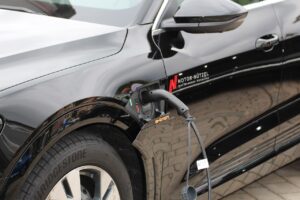
The world is moving towards electric vehicles at a rapid pace, and one of the primary concerns for this transition is the availability of efficient charging networks. A well-developed charging infrastructure is crucial for the widespread adoption of electric vehicles, as it directly impacts the convenience, practicality, and overall user experience. Charging networks play a pivotal role in addressing range anxiety and ensuring that electric vehicles can be used for both short and long trips without significant inconvenience. The lack of a comprehensive charging network can hinder the growth of the electric vehicle market, making it essential to invest in and develop these systems.
Defining Charging Network
A charging network refers to the interconnected system of charging stations that supply electric energy to electric vehicles. These networks can be public, private, or a combination of both, offering various charging speeds to accommodate different types of vehicles and user needs. Charging networks are not just about providing the necessary infrastructure for electric vehicles; they also play a critical role in the overall energy ecosystem, influencing how energy is distributed, consumed, and managed.
Key Charging Network Advancements
1. Fast Charging Technology
Fast charging technology has been a significant advancement in charging networks, enabling electric vehicles to charge up to 80% in under 30 minutes. This technology is crucial for long-distance travel, as it allows drivers to charge their vehicles quickly during stops, making electric vehicles more practical for road trips and daily commutes.
- Plus Points:
- Reduces charging time significantly
- Increases the viability of electric vehicles for long-distance travel
- Enhances user convenience and experience
- Challenges:
- Higher installation costs compared to standard charging points
- Requires more powerful electrical connections
- Potential impact on battery durability due to rapid charging
2. Smart Charging Systems
Smart charging systems integrate advanced technologies such as AI, IoT, and data analytics to optimize charging processes. These systems can adjust charging speeds based on energy demand, grid capacity, and the specific needs of the vehicle, contributing to a more efficient and sustainable energy management system.
- Plus Points:
- Optimizes energy consumption and reduces peak demand on the grid
- Can integrate with renewable energy sources for cleaner charging
- Enhances the overall efficiency and reliability of the charging network
- Challenges:
- Requires significant investment in infrastructure and technology
- Dependence on complex data systems and connectivity
- Potential cybersecurity risks with increased network complexity
| Charging Type | Charging Speed | Typical Use Case |
|---|---|---|
| Slow Charging | 3-6 kW | Home Charging, Overnight Charging |
| Fast Charging | 50 kW and above | Public Charging Stations, Highway Service Stations |
| Rapid Charging | 100 kW and above | Highway Rest Stops, Long-Distance Travel |
Why People Are Paying Attention
✔ Environmental Benefits
Charging networks, especially when powered by renewable energy sources, offer a cleaner alternative to traditional fossil fuel-based transportation, reducing greenhouse gas emissions and contributing to a healthier environment.
✔ Government Incentives
Many governments around the world are offering incentives for the development and use of electric vehicle charging infrastructure, recognizing its potential to reduce pollution and meet climate change targets.
✔ Technological Advancements
Continuous advancements in charging technology, such as fast and smart charging, are making electric vehicles more appealing and practical for consumers, driving interest and investment in charging networks.
✔ Consumer Demand
As consumers become more environmentally conscious and aware of the benefits of electric vehicles, the demand for comprehensive and efficient charging networks is increasing, prompting further development and expansion of these systems.
✔ Economic Opportunities
The growth of charging networks presents significant economic opportunities, from the creation of jobs in the installation and maintenance of charging points to the potential for new business models and services related to electric vehicle charging.
Upcoming Trends
- Integration of Vehicle-to-Grid (V2G) technology to allow electric vehicles to supply energy back to the grid
- Increased adoption of subscription-based models for charging services
- Development of ultra-fast charging standards and technology
- Expansion of charging infrastructure in rural and underserved areas
- Enhanced focus on cybersecurity to protect charging networks from potential threats
- Greater incorporation of renewable energy sources to power charging networks
Wrapping Up
Charging networks are a critical component of the electric vehicle ecosystem, addressing the fundamental need for energy supply and playing a pivotal role in the transition towards sustainable transportation. As technology continues to evolve and consumer demand increases, the development of comprehensive, efficient, and sustainable charging networks will remain a key focus for governments, companies, and individuals alike. The future of electric vehicles and the reduction of our carbon footprint depend significantly on the advancement and widespread adoption of charging networks.