Imagine waking up every morning, getting into your car, and driving to work without contributing to air pollution or relying on fossil fuels. This is the reality for many people who have made the switch to electric vehicles (EVs). With the increasing awareness of climate change and the need for sustainable transportation, EVs have become a popular choice for those looking to reduce their carbon footprint.
As technology continues to advance, EVs are becoming more efficient, affordable, and accessible to the masses. From improved battery life to enhanced performance, the benefits of EVs are numerous. However, there are still some challenges that need to be addressed, such as charging infrastructure and range anxiety.
The shift towards electric vehicles is gaining momentum, and it’s essential to understand the latest developments and technologies in this field. Whether you’re a potential buyer or just curious about the benefits of EVs, this article will provide you with a comprehensive overview of the latest EV technologies and their impact on the environment and personal use.
The demand for electric vehicles is on the rise, driven by government incentives, declining battery costs, and growing environmental concerns. As the world transitions towards a more sustainable future, EVs are playing a crucial role in reducing greenhouse gas emissions and promoting clean energy.
What Is EV (Quick Wins)?
EV quick wins refer to the immediate benefits and advantages of adopting electric vehicles. These benefits can be categorized into environmental, economic, and social benefits. From reducing air pollution and greenhouse gas emissions to lowering operating costs and improving performance, the quick wins of EVs are numerous and significant.
Latest EV Technologies
1. Battery Technology
Advances in battery technology have been a significant factor in the development of EVs. Improved battery life, efficiency, and affordability have made EVs more competitive with traditional gasoline-powered vehicles. The latest battery technologies include solid-state batteries, lithium-ion batteries, and sodium-ion batteries.
- Key Benefits:
- Improved range and efficiency
- Enhanced performance and acceleration
- Reduced charging time
- Lower operating costs
- Hurdles to Overcome:
- High upfront costs
- Limited charging infrastructure
- Battery durability and lifespan
2. Charging Infrastructure
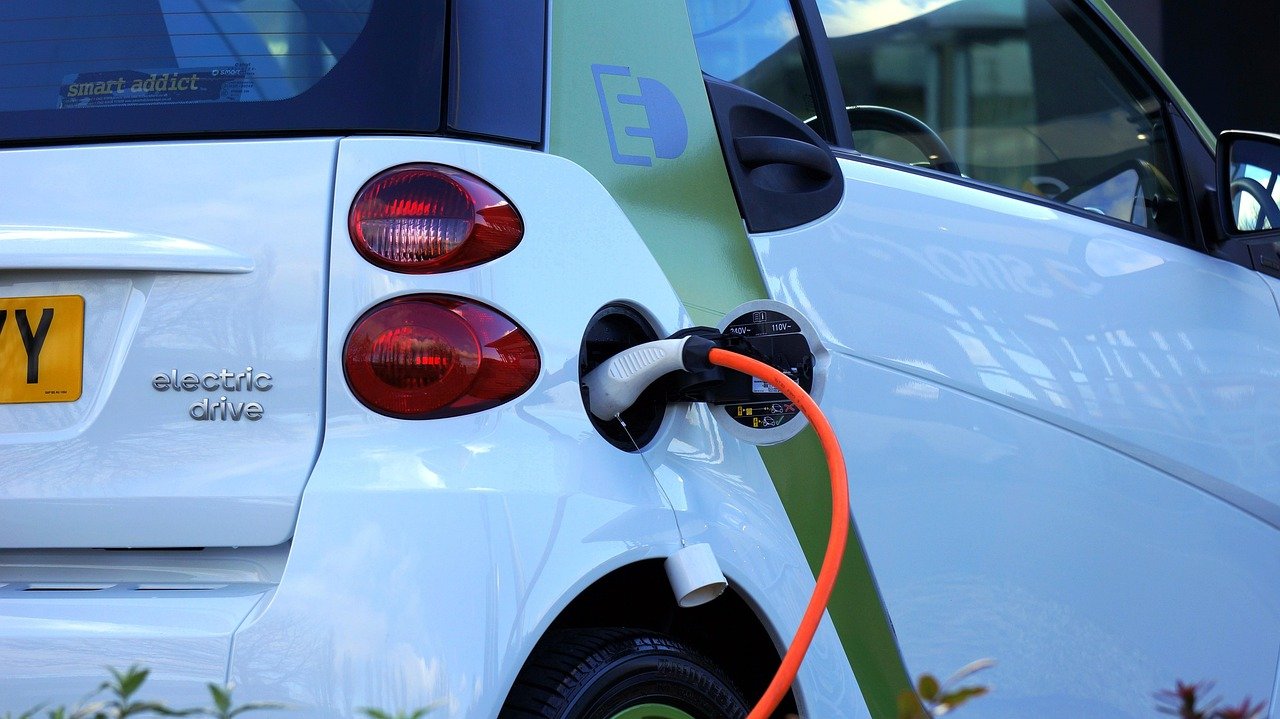
The development of charging infrastructure is critical to the widespread adoption of EVs. Governments and companies are investing heavily in the installation of public charging stations, making it easier for EV owners to charge their vehicles on the go.
- Key Benefits:
- Convenience and accessibility
- Reduced range anxiety
- Increased adoption of EVs
- Job creation and economic growth
- Hurdles to Overcome:
- High installation costs
- Limited standardization
- Dependence on renewable energy sources
| EV Model | Range (miles) | Charging Time (hours) | Price (USD) |
|---|---|---|---|
| Tesla Model 3 | 250-325 | 4-6 | 35,000-60,000 |
| Chevrolet Bolt | 238 | 4-6 | 36,000-44,000 |
| Nissan Leaf | 147-226 | 4-6 | 29,000-36,000 |
Why This Matters to You
The adoption of EVs has numerous benefits for individuals, communities, and the environment. Some of the key benefits include:
✔ Reduced Greenhouse Gas Emissions
EVs produce zero tailpipe emissions, reducing greenhouse gas emissions and air pollution in urban areas.
✔ Lower Operating Costs
EVs have lower operating costs compared to traditional gasoline-powered vehicles, with reduced fuel and maintenance costs.
✔ Improved Performance
EVs have excellent acceleration and performance, making them a joy to drive.
✔ Government Incentives
Many governments offer incentives and tax credits for EV buyers, making them more affordable and attractive.
✔ Increased Energy Independence
EVs can be powered by renewable energy sources, reducing dependence on fossil fuels and promoting energy independence.
✔ Improved Public Health
EVs reduce air pollution, improving public health and quality of life in urban areas.
How This Will Evolve
- Increased adoption of EVs, with over 50% of new car sales expected to be electric by 2040
- Improvements in battery technology, with solid-state batteries and lithium-ion batteries becoming more efficient and affordable
- Expansion of charging infrastructure, with over 1 million public charging stations expected to be installed by 2025
- Growing demand for EVs in emerging markets, with countries like China and India leading the way
- Increased investment in EV research and development, with over $1 billion invested in EV startups in 2020
- More stringent regulations and policies to promote the adoption of EVs, with many countries setting targets for EV sales and emissions reduction
Worth Remembering
The transition to electric vehicles is a significant step towards a more sustainable future, with numerous benefits for the environment, individuals, and communities. As technology continues to advance and economies of scale improve, EVs are expected to become increasingly affordable and accessible to the masses. With the right policies and investments in place, the world can accelerate the adoption of EVs and reduce greenhouse gas emissions, creating a cleaner and healthier environment for future generations