The world is facing an unprecedented energy crisis, with fossil fuels becoming increasingly scarce and harmful to the environment. As a result, green energy has become a vital component of the global effort to reduce carbon emissions and mitigate the effects of climate change. However, the transition to green energy is not without its challenges, and it is essential to understand the honest take on this complex issue.
A Closer Look at Green Energy
Green energy, also known as renewable energy, is derived from natural sources that can be replenished over time, such as sunlight, wind, and water. These energy sources are sustainable, meaning they are not depleted when used, and they produce little to no greenhouse gas emissions, making them a cleaner alternative to fossil fuels. The most common forms of green energy are solar, wind, hydro, and geothermal power.
Key Green Energy Advancements
1. Solar Energy
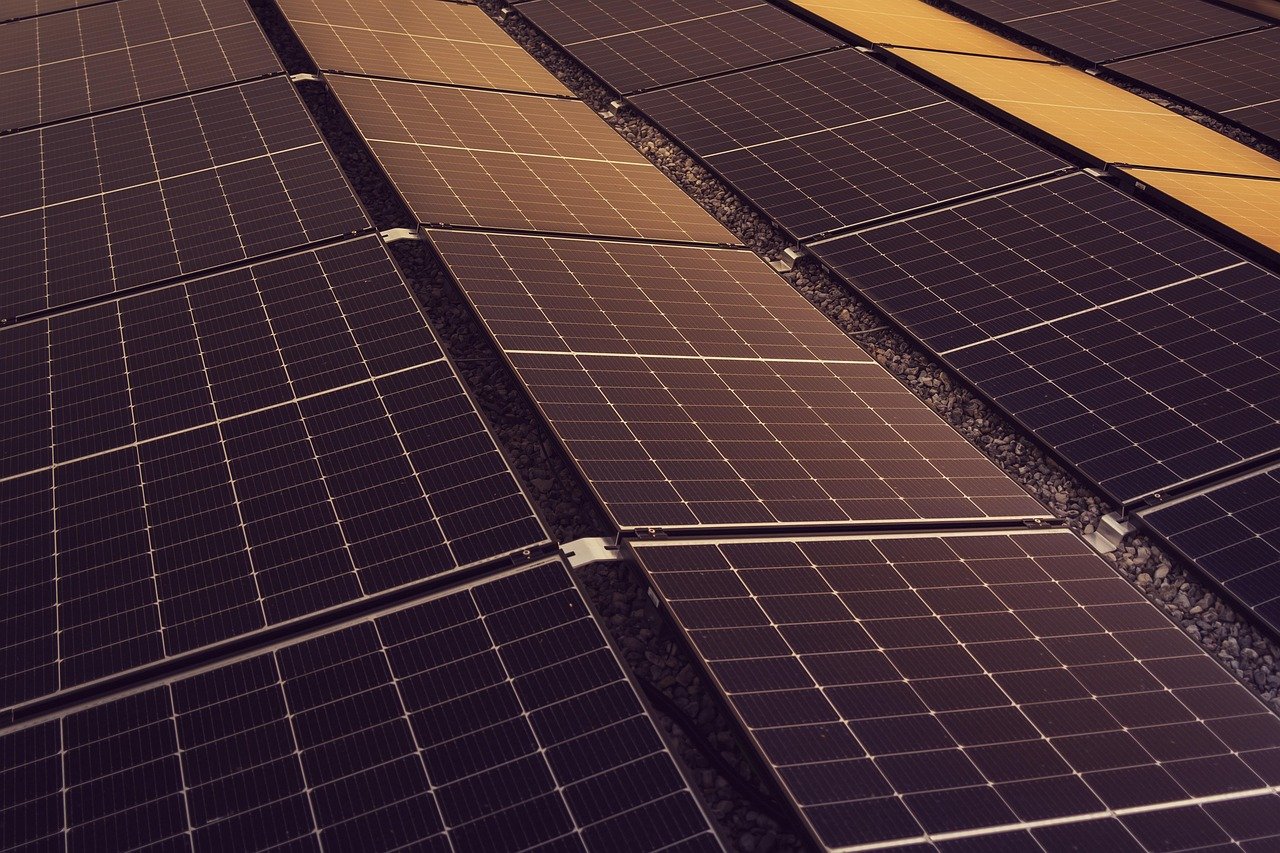
Solar energy is one of the most rapidly growing forms of green energy, with solar panels becoming increasingly efficient and affordable. The cost of solar panels has decreased dramatically over the past decade, making it more accessible to individuals and businesses.
- Advantages:
- Abundant resource: Solar energy is available everywhere, and the amount of sunlight that hits the Earth’s surface is enormous.
- Zero emissions: Solar energy produces no greenhouse gas emissions or pollution, making it a clean source of energy.
- Low maintenance: Solar panels require minimal maintenance and can last for up to 30 years or more.
- Known Issues:
- Intermittent energy source: Solar energy is not always available, as it depends on sunlight, which can be affected by weather conditions.
- High upfront costs: While the cost of solar panels has decreased, the initial investment can still be prohibitively expensive for some individuals and businesses.
2. Wind Energy
Wind energy is another significant form of green energy, with wind turbines generating electricity by converting the kinetic energy of wind into mechanical energy. Wind farms can be found on land and in the ocean, and they are becoming increasingly popular as a source of renewable energy.
- Advantages:
- Renewable resource: Wind is a renewable resource that is available in many parts of the world.
- Low operating costs: Wind turbines have low operating costs, as there are no fuel costs and maintenance is minimal.
- Scalability: Wind energy can be generated on a small or large scale, making it suitable for both residential and commercial use.
- Known Issues:
- Visual impact: Wind turbines can have a visual impact on the surrounding landscape, which can be a concern for some communities.
- Noise pollution: Wind turbines can generate noise, which can be a problem for nearby residents.
| Energy Source | Cost per Kilowatt-Hour | Carbon Emissions |
|---|---|---|
| Solar Energy | $0.05-$0.15 | 0 g/kWh |
| Wind Energy | $0.04-$0.12 | 0 g/kWh |
| Fossil Fuels | $0.10-$0.20 | 1000 g/kWh |
How This Affects Everyday Life
The transition to green energy has a significant impact on everyday life, from the way we generate and consume energy to the products we use and the jobs we hold. Some of the benefits of green energy include:
✔ Reduced greenhouse gas emissions
Green energy produces little to no greenhouse gas emissions, which helps to mitigate the effects of climate change and improve air quality.
✔ Energy independence
Green energy can be generated locally, reducing reliance on foreign oil and improving energy security.
✔ Job creation
The green energy industry is creating new job opportunities in manufacturing, installation, and maintenance.
✔ Improved public health
Green energy reduces air pollution, which can help to improve public health and reduce the incidence of respiratory diseases.
✔ Increased energy efficiency
Green energy can help to improve energy efficiency, reducing waste and saving consumers money on their energy bills.
✔ Enhanced energy security
Green energy can help to improve energy security by reducing reliance on finite resources and improving the resilience of the energy grid.
What Researchers Are Working On
- Improving the efficiency of solar panels and wind turbines to generate more energy from the same amount of sunlight or wind.
- Developing new energy storage technologies to store excess energy generated by green energy sources.
- Creating smart grids that can integrate green energy into the existing energy infrastructure.
- Investigating new forms of green energy, such as tidal and wave power.
- Developing green energy technologies that are suitable for use in developing countries.
- Improving the recyclability of green energy technologies to reduce waste and minimize environmental impacts.
Wrapping Up
To wrap up, green energy is a vital component of the global effort to reduce carbon emissions and mitigate the effects of climate change. While there are challenges to overcome, the benefits of green energy are clear, and researchers are working to improve the efficiency, affordability, and accessibility of green energy technologies. As the world continues to transition to a low-carbon economy, green energy will play an increasingly important role in shaping the future of energy production and consumption.
The future of green energy is promising, with advancements in technology and reductions in cost making it more accessible to individuals and businesses. As the demand for green energy continues to grow, it is essential to address the challenges and complexities of this transition to ensure a sustainable and equitable energy future for all.
Ultimately, the transition to green energy requires a coordinated effort from governments, businesses, and individuals to invest in renewable energy, improve energy efficiency, and reduce energy consumption. By working together, it is possible to create a cleaner, more sustainable energy system that benefits both people and the planet.