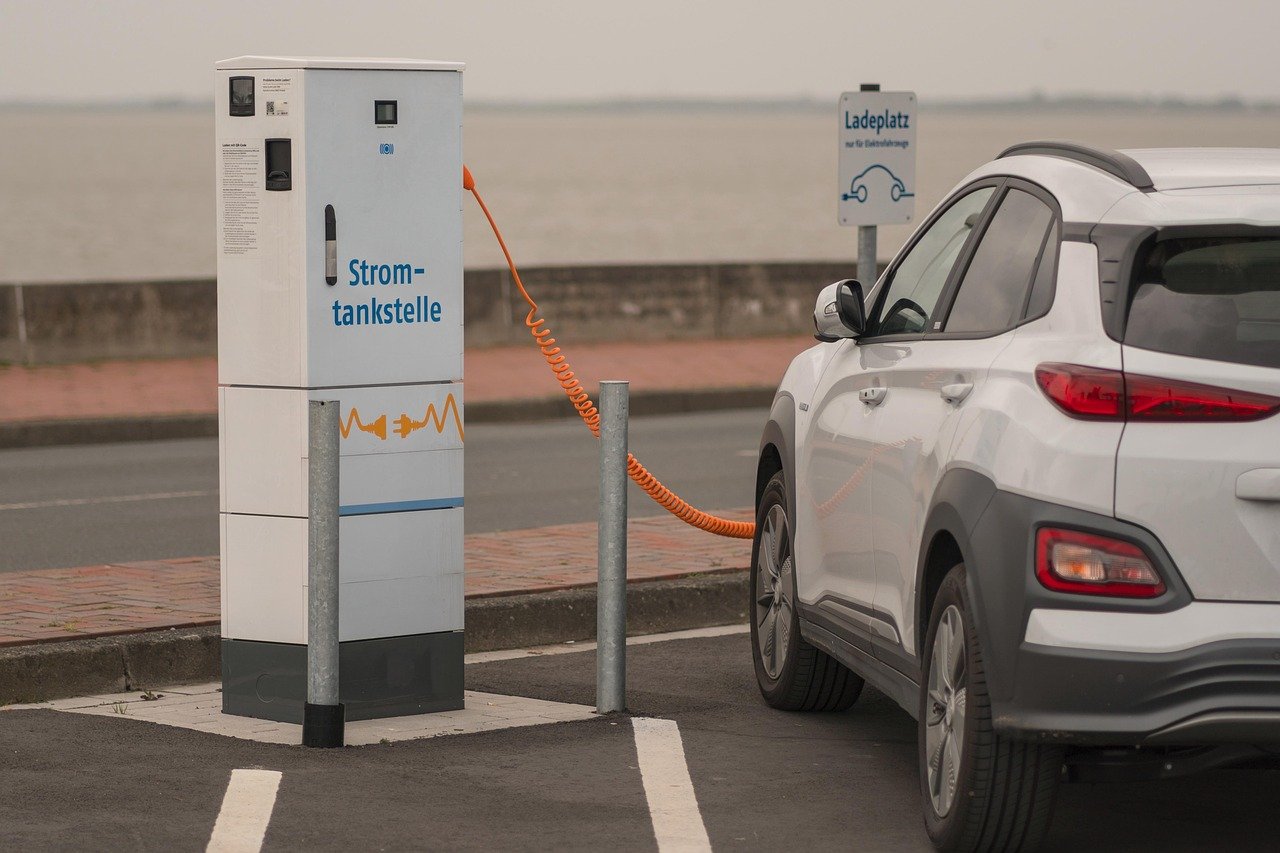
70% of the world’s population is expected to live in cities by 2050, leading to increased concerns about air pollution and the need for more sustainable transportation options. One solution gaining traction is the battery-powered car, which has seen significant advancements in recent years. 15% of new car sales are projected to be electric by 2025, indicating a substantial shift towards more environmentally friendly vehicles. With numerous benefits, including reduced emissions and lower operating costs, it’s essential to understand the basics of battery-powered cars and their potential impact on the automotive industry.
What Is a Battery-Powered Car?
A battery-powered car, also known as an electric vehicle (EV), is a type of automobile that uses one or more electric motors powered by a battery, which can be charged from an external source. The battery is typically charged from a wall socket or a dedicated charging station, and the car’s electric motor uses this stored energy to propel the vehicle. Battery-powered cars offer a cleaner, more efficient alternative to traditional gasoline-powered vehicles, making them an attractive option for environmentally conscious consumers.
Core Battery-Powered Car Approaches
1. Battery Electric Vehicles (BEVs)
Battery Electric Vehicles (BEVs) are the most common type of battery-powered car, using only electric motors for propulsion. They have a large battery pack that stores energy, which is then used to power the vehicle. BEVs are ideal for daily commutes and offer a range of up to 300 miles on a single charge, depending on the model and manufacturer.
- Advantages:
- Zero tailpipe emissions, reducing air pollution and greenhouse gas emissions
- Lower operating costs, with electricity being generally cheaper than gasoline
- Smooth and quiet ride, due to the electric motor’s instant torque and lack of engine noise
2. Plug-in Hybrid Electric Vehicles (PHEVs)
Plug-in Hybrid Electric Vehicles (PHEVs) combine a battery-powered electric motor with a traditional gasoline engine. They offer the flexibility of being able to drive on electric power for short distances and switching to the gasoline engine for longer trips. PHEVs provide a compromise between the benefits of electric vehicles and the range anxiety associated with BEVs.
- Advantages:
- Reduced emissions and operating costs, especially for short trips and city driving
- Increased range and flexibility, with the ability to switch between electric and gasoline power
- Government incentives and tax credits, which can help offset the higher upfront cost of PHEVs
- Current Limitations:
- Complexity of the powertrain, with both electric and gasoline components requiring maintenance
- Higher upfront cost, due to the additional technology and components
- Potential for reduced electric range, depending on driving habits and charging frequency
| Vehicle Type | Electric Range | Fuel Efficiency |
|---|---|---|
| BEV | Up to 300 miles | 112-119 mpg-e |
| PHEV | Up to 50 miles | 40-50 mpg-e |
Why This Matters to You
✔ Reduced Emissions
Battery-powered cars produce zero tailpipe emissions, contributing to a cleaner environment and improved air quality. This is especially important for urban areas, where air pollution from traditional vehicles can have severe health consequences.
✔ Lower Operating Costs
Electricity is generally cheaper than gasoline, resulting in lower fuel costs for battery-powered cars. Additionally, electric vehicles require less maintenance, as they have fewer moving parts and do not need oil changes.
✔ Smooth and Quiet Ride
The instant torque and lack of engine noise provided by electric motors make for a smooth and quiet driving experience, reducing driver fatigue and increasing overall comfort.
✔ Government Incentives
Many governments offer tax credits, rebates, and other incentives to encourage the adoption of battery-powered cars, helping to offset the higher upfront cost of these vehicles.
✔ Increased Range and Flexibility
Advances in battery technology have improved the range and efficiency of battery-powered cars, making them suitable for a wider range of driving needs and reducing range anxiety.
✔ Environmental Benefits
Battery-powered cars offer a more sustainable alternative to traditional vehicles, with the potential to significantly reduce greenhouse gas emissions and contribute to a cleaner, healthier environment.
Looking Ahead
- Improved battery technology, increasing range and efficiency while reducing costs
- Expansion of charging infrastructure, making it easier to own and operate battery-powered cars
- Increased adoption of autonomous driving technology, which is often integrated with electric vehicles
- Growing demand for sustainable transportation options, driving innovation and investment in the industry
- Stricter emissions regulations, promoting the development and sales of battery-powered cars
- Decreasing costs, making battery-powered cars more competitive with traditional vehicles
Closing Thoughts
Battery-powered cars represent a significant step forward in the evolution of the automotive industry, offering a cleaner, more efficient, and more sustainable alternative to traditional vehicles. As technology continues to advance and costs decrease, these cars are likely to become an increasingly important part of the transportation landscape.
The benefits of battery-powered cars, including reduced emissions, lower operating costs, and a smooth, quiet ride, make them an attractive option for consumers. With ongoing innovation and investment in the industry, the future of battery-powered cars looks promising, with the potential to make a substantial positive impact on the environment and society as a whole.