According to recent studies, the world could transition to 100% renewable energy by 2050, with solar and wind power being the primary sources of energy. This shift towards green energy is crucial in reducing carbon emissions and mitigating the impact of climate change. In fact, if the world were to transition to 100% renewable energy, it could prevent up to 12 gigatons of carbon dioxide emissions per year. Furthermore, green energy can also improve air quality, with a study by the National Renewable Energy Laboratory finding that widespread adoption of renewable energy could reduce air pollution-related deaths by up to 80%. The economic benefits of green energy are also significant, with the International Renewable Energy Agency estimating that the renewable energy sector could support up to 46 million jobs globally by 2050.
Understanding Green Energy
Green energy refers to the use of renewable energy sources, such as solar, wind, hydro, and geothermal power, to generate energy. These sources are sustainable, non-polluting, and abundant, making them an attractive alternative to fossil fuels. Green energy can be used to generate electricity, heat, and fuel, and can be used in a variety of applications, from residential homes to commercial buildings and industrial processes. The benefits of green energy are numerous, including reduced carbon emissions, improved air quality, and enhanced energy security.
Latest Green Energy Technologies
1. Solar Energy
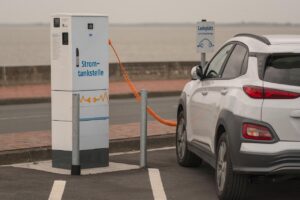
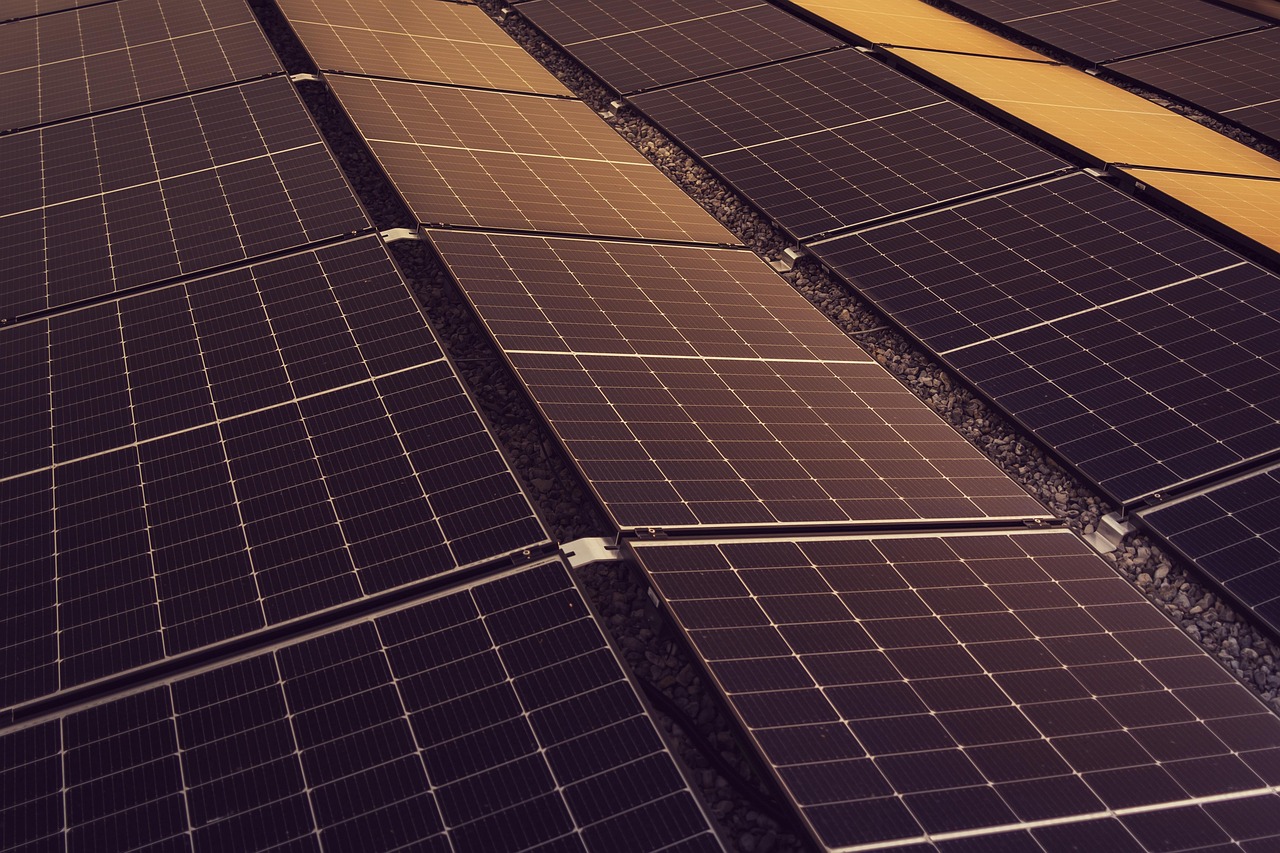
Solar energy is one of the most popular forms of green energy, with solar panels being used to generate electricity from sunlight. The cost of solar panels has decreased significantly in recent years, making them more accessible to homeowners and businesses. Solar energy can be used to power homes, charge electric vehicles, and provide energy for commercial and industrial processes.
- Plus Points:
- Renewable and sustainable energy source
- Zero emissions or pollution
- Low maintenance and operating costs
- Energy independence and security
- Drawbacks:
- Intermittent energy source (dependent on sunlight)
- High upfront costs (although decreasing over time)
- Space requirements (large areas needed for solar panels)
2. Wind Energy
Wind energy is another popular form of green energy, with wind turbines being used to generate electricity from wind. Wind energy is abundant and can be used to power homes, businesses, and industries. The cost of wind energy has decreased significantly in recent years, making it more competitive with fossil fuels.
- Plus Points:
- Renewable and sustainable energy source
- Zero emissions or pollution
- Low operating costs
- Energy independence and security
- Drawbacks:
- Intermittent energy source (dependent on wind)
- Noise and visual pollution (from wind turbines)
- High upfront costs (although decreasing over time)
| Energy Source | Cost per kWh | Emissions (g CO2/kWh) |
|---|---|---|
| Solar Energy | $0.05-0.15 | 0 |
| Wind Energy | $0.04-0.12 | 0 |
| Fossil Fuels | $0.10-0.20 | 500-1000 |
Real-World Benefits
✔ Reduced Carbon Emissions
Green energy can significantly reduce carbon emissions, which contribute to climate change. By transitioning to renewable energy sources, we can reduce our reliance on fossil fuels and lower our carbon footprint.
✔ Improved Air Quality
Green energy can also improve air quality, which is essential for human health. By reducing our reliance on fossil fuels, we can lower the levels of air pollutants, such as particulate matter, nitrogen oxides, and sulfur dioxide.
✔ Energy Independence
Green energy can provide energy independence, which is critical for national security and economic stability. By transitioning to renewable energy sources, we can reduce our reliance on foreign oil and enhance our energy security.
✔ Job Creation
Green energy can create jobs, which is essential for economic growth and development. The renewable energy sector is creating new job opportunities in manufacturing, installation, and maintenance.
✔ Cost Savings
Green energy can provide cost savings, which is critical for households and businesses. By transitioning to renewable energy sources, we can lower our energy bills and enhance our economic competitiveness.
✔ Enhanced Energy Security
Green energy can enhance energy security, which is critical for national security and economic stability. By transitioning to renewable energy sources, we can reduce our reliance on fossil fuels and enhance our energy resilience.
Looking Ahead
- The cost of renewable energy will continue to decrease, making it more competitive with fossil fuels.
- Energy storage technologies will improve, enabling greater adoption of renewable energy sources.
- Electric vehicles will become more popular, driving demand for renewable energy.
- Green energy will create new job opportunities in manufacturing, installation, and maintenance.
- Renewable energy will become the primary source of energy globally, reducing carbon emissions and improving air quality.
- Green energy will enhance energy security, reducing our reliance on fossil fuels and promoting sustainable development.
Worth Remembering
Green energy is a critical component of a sustainable future, providing numerous benefits, including reduced carbon emissions, improved air quality, and enhanced energy security. The transition to renewable energy sources will require significant investment and innovation, but the long-term benefits will be substantial. As the world continues to transition to green energy, it is essential to remember the importance of sustainability and the need to promote renewable energy sources.