25 million residents in Tokyo, Japan, rely on a complex network of trains, buses, and subways to navigate the city. This number highlights the significance of urban mobility in modern cities, where effective transportation systems are crucial for economic growth, environmental sustainability, and quality of life. The importance of urban mobility is further emphasized by the fact that 60% of the world’s population is expected to live in cities by 2030. As cities continue to grow, the need for efficient and sustainable transportation systems becomes increasingly pressing.
The Basics of Urban Mobility
Urban mobility refers to the ability of people and goods to move freely within a city, using various modes of transportation such as walking, cycling, driving, and public transit. A well-planned urban mobility system is essential for reducing traffic congestion, decreasing air pollution, and promoting economic development. It involves the integration of different transportation modes, including public, private, and shared transportation services, to provide residents with safe, efficient, and affordable travel options.
Leading Urban Mobility Solutions
1. Integrated Public Transportation Systems
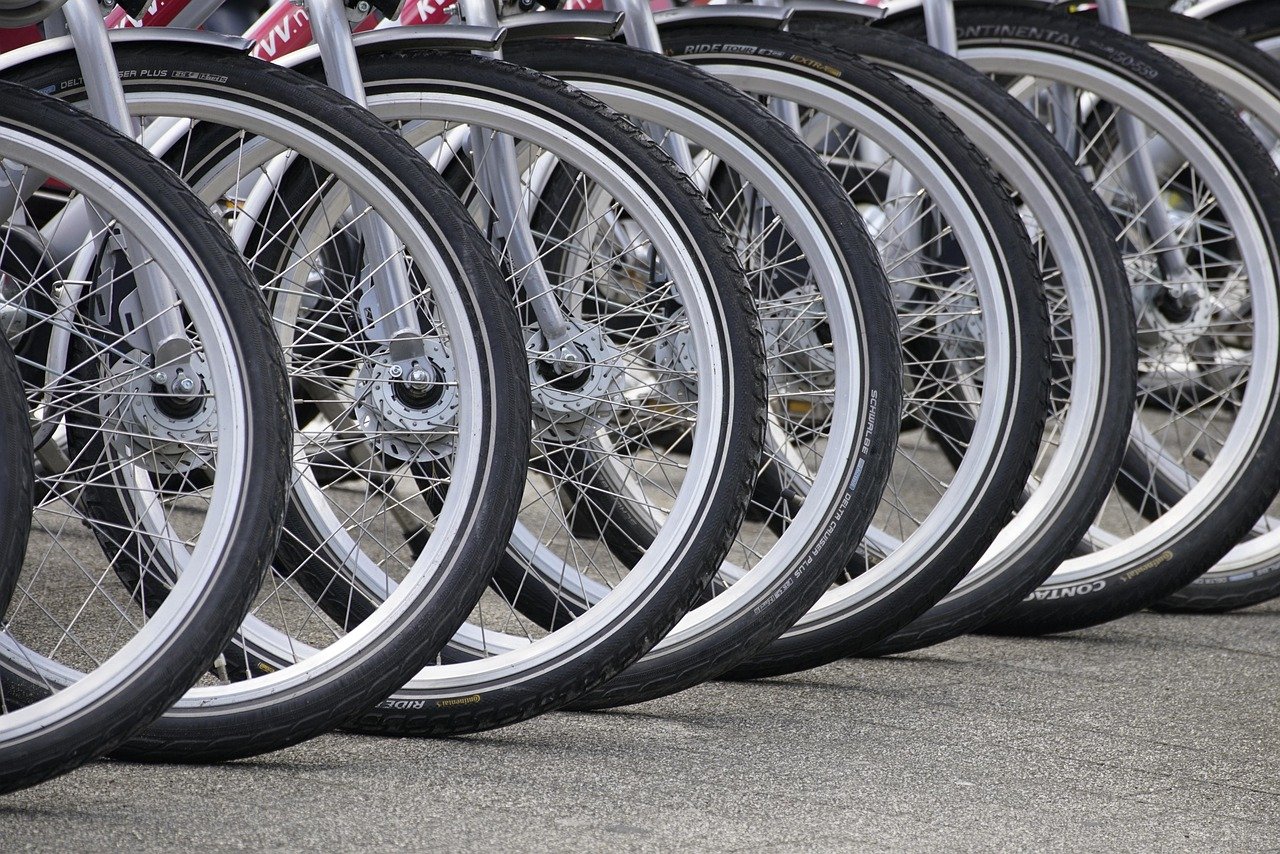
Integrated public transportation systems are a key component of urban mobility, providing residents with a convenient and affordable way to travel within the city. These systems typically include a network of buses, trains, and subways, and may also incorporate other modes of transportation, such as ferries and bike-sharing services.
- Why It Works:
- Reduces traffic congestion by providing an alternative to private vehicle use
- Decreases air pollution by promoting the use of cleaner transportation modes
- Increases mobility for low-income and marginalized communities
- Hurdles to Overcome:
- Requires significant investment in infrastructure and equipment
- May require changes to existing transportation habits and behaviors
- Can be challenging to integrate with other modes of transportation
2. Smart Traffic Management Systems
Smart traffic management systems use advanced technologies, such as sensors and real-time data analytics, to optimize traffic flow and reduce congestion. These systems can help to minimize travel times, reduce fuel consumption, and lower emissions.
- Why It Works:
- Provides real-time traffic information to help drivers make informed decisions
- Optimizes traffic signal timing to reduce congestion and minimize stops
- Helps to identify and respond to traffic incidents more quickly
- Hurdles to Overcome:
- Requires significant investment in technology and infrastructure
- May require changes to existing traffic management practices and procedures
- Can be challenging to integrate with other transportation systems
| City | Population | Transportation Mode |
|---|---|---|
| Tokyo | 25 million | Trains, buses, subways |
| New York City | 20 million | Subways, buses, trains |
| London | 15 million | Trains, buses, subways |
The Impact on Consumers
✔ Increased Mobility
Urban mobility systems provide residents with a range of transportation options, making it easier for them to get around the city and access employment, education, and healthcare opportunities.
✔ Reduced Traffic Congestion
Effective urban mobility systems can help to reduce traffic congestion, decreasing travel times and making it easier for people to get where they need to go.
✔ Improved Air Quality
By promoting the use of cleaner transportation modes, such as electric and hybrid vehicles, urban mobility systems can help to reduce air pollution and improve public health.
✔ Enhanced Quality of Life
Urban mobility systems can help to improve the overall quality of life for residents, by providing them with safe, efficient, and affordable transportation options.
✔ Increased Economic Growth
Urban mobility systems can help to stimulate economic growth, by providing businesses with access to a skilled and mobile workforce, and by making it easier for people to shop and access services.
✔ Better Accessibility
Urban mobility systems can help to improve accessibility for people with disabilities, by providing them with safe and accessible transportation options.
What to Expect Next
- Increased investment in electric and hybrid vehicles
- Greater emphasis on sustainable transportation modes, such as walking and cycling
- More efficient use of data analytics and technology to optimize traffic flow
- Greater integration of public and private transportation services
- More attention to accessibility and mobility for people with disabilities
- Increased focus on reducing traffic congestion and air pollution
Closing Thoughts
Urban mobility is a critical aspect of city planning, affecting the daily lives of residents and the overall health of the economy. By investing in effective urban mobility systems, cities can help to reduce traffic congestion, improve air quality, and enhance the overall quality of life for residents. As cities continue to grow and evolve, it is essential that urban mobility systems are designed and implemented with the needs of residents in mind.