Commuting is revolutionizing the way people live and work, transforming urban planning and affecting the health and productivity of millions of people around the world. As cities continue to grow and expand, the commute to work is becoming an increasingly important aspect of daily life. The way people commute can have significant impacts on their physical and mental health, as well as their productivity and overall quality of life. With the rise of new technologies and transportation options, the commuting experience is changing rapidly.
EV Battery Technology
Cobalt-Free Battery Strategies
80% of the world’s cobalt supply is currently sourced from the Democratic Republic of Congo, where artisanal mining practices have raised significant human rights and environmental concerns. The push towards cobalt-free battery technologies is not only driven by ethical considerations but also by the need for more sustainable and efficient energy storage solutions. As the demand for renewable energy sources continues to grow, the development of cobalt-free batteries has become a critical area of research and innovation. This shift is expected to play a pivotal role in reducing the environmental impacts associated with traditional battery production.
Public Charging Beginner Tips
40% of electric vehicle owners rely on public charging stations as their primary means of charging. This significant reliance on public infrastructure underscores the importance of understanding how to use these stations efficiently. Given the rapid expansion of the electric vehicle market, the demand for accessible and user-friendly public charging solutions has never been more pressing. As the world shifts towards more sustainable transportation options, the need for comprehensive guides on public charging has become increasingly evident.
The public charging network is evolving to meet the growing needs of electric vehicle owners, with improvements in charging speed, payment methods, and station accessibility. However, navigating this network can be challenging for newcomers. The variety of charging types, payment systems, and charging etiquette can overwhelm those new to electric vehicles. Therefore, it’s crucial to have a clear understanding of the basics of public charging to ensure a hassle-free experience.
Understanding the fundamentals of public charging is the first step towards a seamless integration into the electric vehicle community. Whether you’re a seasoned driver or just considering making the switch to an electric vehicle, knowing how to use public charging stations is essential. This knowledge not only enhances your driving experience but also contributes to a more sustainable environment.
Understanding Battery Life
80% of smartphone users consider battery life to be a critical factor when purchasing a new device. This significance is due to the increasing reliance on mobile devices for daily activities, from communication to entertainment. The average smartphone user checks their device over 50 times a day, highlighting the need for a battery that can last throughout the day. Battery life is measured in milliampere-hours (mAh), with higher ratings generally indicating longer battery life.
Common Lithium-ion Mistakes to Avoid
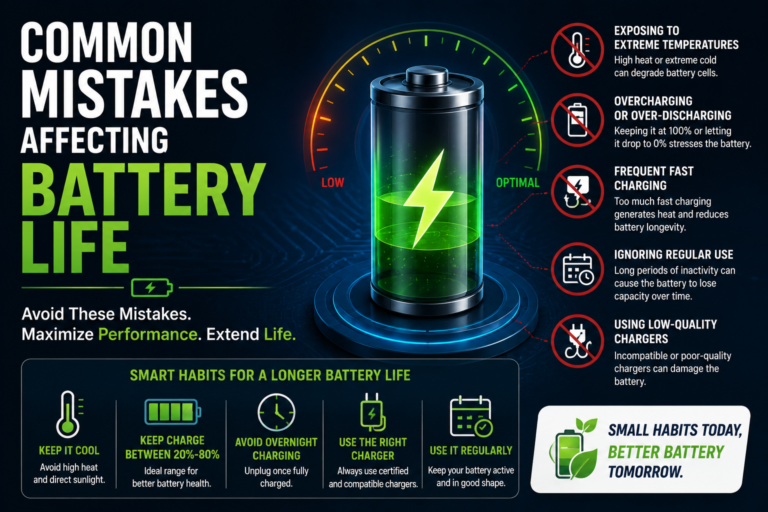
Lithium-ion batteries are a crucial part of modern technology, powering everything from smartphones to electric vehicles. However, common mistakes can significantly reduce their lifespan and affect their performance. Improper handling and maintenance can lead to reduced battery capacity, increased self-discharge, and even safety hazards. To get the most out of lithium-ion batteries, it is essential to understand the common mistakes to avoid.
Level 2 Electric Vehicle Charger Installation
Level 2 electric vehicle chargers are revolutionizing the way people charge their cars, providing a faster and more efficient way to replenish batteries. With the ability to charge vehicles up to 5 times faster than standard Level 1 chargers, Level 2 chargers are becoming increasingly popular among electric vehicle owners. As the demand for electric vehicles continues to grow, the need for reliable and efficient charging solutions is becoming more pressing. Level 2 chargers are playing a crucial role in meeting this demand, providing a convenient and practical solution for drivers who need to charge their vehicles quickly.
The installation of a Level 2 charger requires some planning and consideration, but the benefits far outweigh the costs. With a Level 2 charger, drivers can enjoy faster charging times, increased convenience, and reduced wear on their vehicle’s battery. Whether you’re a seasoned electric vehicle owner or just considering making the switch, understanding the basics of Level 2 chargers and how to install one is essential.
Fast Charging Explained
Approximately 70% of smartphone users charge their devices at least once a day, with many relying on fast charging to quickly top up their batteries. Fast charging technology has advanced significantly in recent years, with some devices capable of reaching 80% charge in under 30 minutes. However, the long-term effects of fast charging on battery life and overall device performance are still being studied. As the demand for faster charging continues to grow, manufacturers are working to develop new technologies that can support rapid charging without compromising device safety or longevity.
Thermal Management Solutions
Thermal management is changing the way industries operate by providing innovative solutions to heat control problems. Effective thermal management is crucial for maintaining optimal performance and prolonging the lifespan of electronic devices and systems. As technology advances, the need for efficient heat control methods becomes increasingly important. Thermal management solutions are being adopted across various industries, including aerospace, automotive, and consumer electronics.
Battery-Powered Bike Tips
70 million people worldwide use battery-powered bikes, with this number expected to grow significantly over the next few years. This trend is largely driven by increasing environmental awareness and the need for sustainable transportation solutions. As a result, manufacturers are investing heavily in research and development to improve the performance and range of battery-powered bikes. The average battery-powered bike can travel up to 60 miles on a single charge, making it an attractive option for commuters and recreational cyclists.
Revolutionizing Electric Vehicle Charging
Tesla Supercharger is revolutionizing the way people travel in electric vehicles, making long-distance trips faster and more convenient. The innovative charging technology is transforming the automotive industry and changing the perception of electric vehicles. With the ability to charge vehicles to 80% in just 45 minutes, Tesla Supercharger is making electric vehicles a viable option for many consumers. As the demand for electric vehicles continues to grow, Tesla Supercharger is playing a crucial role in supporting this growth.