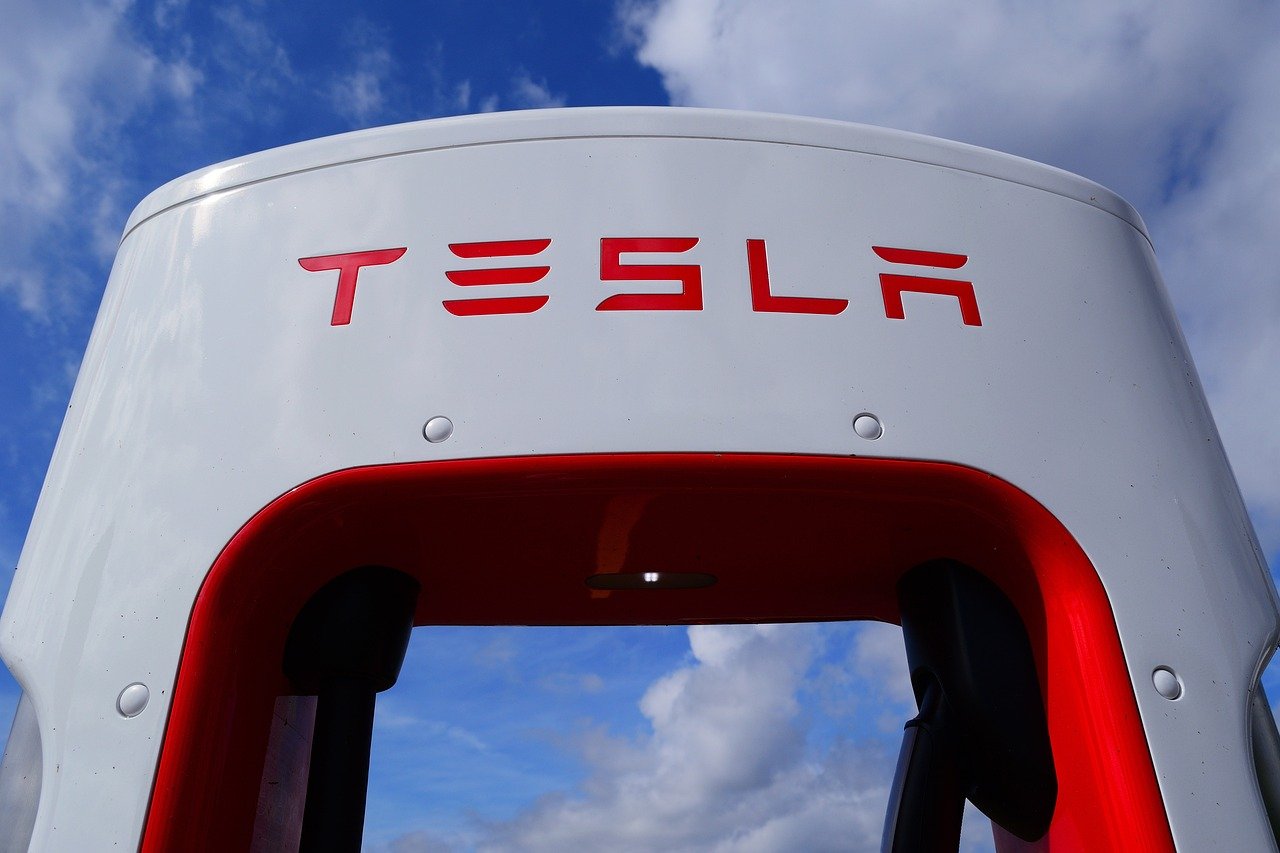
It is often assumed that electric vehicles (EVs) are limited by their range and the availability of charging infrastructure. However, the development and expansion of Tesla’s Supercharger network have significantly mitigated range anxiety for Tesla owners. The Supercharger network has been a crucial factor in the adoption of electric vehicles, making long-distance travel feasible. Despite its popularity, there are several aspects of the Tesla Supercharger that are not widely understood. Understanding these aspects can significantly enhance the electric vehicle ownership experience.
The Basics of Tesla Supercharger
A Tesla Supercharger is a direct current (DC) fast-charging technology that can charge Tesla vehicles to 80% in approximately 45 minutes. The technology operates at a high voltage, allowing for rapid energy transfer into the vehicle’s battery pack. This is significantly faster than the more common Level 2 chargers, which use alternating current (AC) and take several hours to fully charge a vehicle. The Supercharger network is designed to facilitate long-distance travel, with stations strategically located near highways and in areas that can accommodate both local and transient traffic.
Key Tesla Supercharger Advancements
1. V3 Supercharger Technology
The introduction of V3 Supercharger technology marked a significant advancement in Tesla’s charging capabilities. V3 Superchargers can charge at speeds of up to 250 kW, which is a substantial increase from the 120 kW of the previous V2 Superchargers. This means that vehicles can charge to 80% in as little as 15 minutes, further reducing the time spent charging on long trips.
- Why It Works:
- Higher power output allows for faster charging times.
- Efficient design minimizes energy loss during charging.
- Compatibility with the latest Tesla models ensures that new vehicles can take full advantage of the faster charging speeds.
- Current Limitations:
- Not all Tesla models can charge at the full 250 kW rate.
- V3 Superchargers are not as widely distributed as older versions, though the network is expanding rapidly.
2. Supercharger Network Expansion
Tesla has been aggressively expanding its Supercharger network, both in terms of the number of stations and their geographical coverage. This expansion has been crucial in supporting the increasing demand for electric vehicles and in making long-distance travel in an EV more practical. The strategic placement of Superchargers near amenities allows drivers to take breaks and recharge, both themselves and their vehicles, during long journeys.
- Why It Works:
- Increased convenience for Tesla owners through wider coverage.
- Strategic locations minimize the impact of charging time on travel schedules.
- Current Limitations:
- New Supercharger stations may experience high usage rates, potentially leading to congestion during peak travel times.
| Supercharger Generation | Charging Speed | Compatibility |
|---|---|---|
| V2 Supercharger | Up to 120 kW | Most Tesla models |
| V3 Supercharger | Up to 250 kW | Newer Tesla models |
Why This Matters to You
Tesla’s Supercharger network plays a critical role in the electric vehicle ecosystem, affecting not just Tesla owners but the broader EV community. The advancements and expansion of this network contribute to reduced range anxiety, making electric vehicles a more viable option for a wider range of consumers.
✔ Increased Accessibility
With the expansion of the Supercharger network, electric vehicles become more accessible to potential buyers who may have been deterred by concerns over charging infrastructure.
✔ Enhanced Travel Experience
The strategic placement of Superchargers near amenities enhances the travel experience for EV owners, allowing them to charge their vehicles while taking a break.
✔ Reduced Charging Times
Advancements in Supercharger technology mean that vehicles can charge faster, reducing the time spent at charging stations and making long-distance travel more efficient.
✔ Environmental Benefits
By facilitating the use of electric vehicles, the Supercharger network contributes to a reduction in greenhouse gas emissions from transportation, supporting a cleaner environment.
✔ Economic Impact
The expansion of the Supercharger network and the increased adoption of electric vehicles can have positive economic impacts, including job creation and the stimulation of local economies through the development of charging infrastructure.
✔ Technological Advancement
The development of faster and more efficient charging technologies drives innovation in the automotive and energy sectors, pushing the boundaries of what is possible with electric vehicles.
Where This Is Headed
- Future Supercharger technology is expected to offer even faster charging speeds, potentially exceeding 300 kW.
- The integration of renewable energy sources into Supercharger stations will further reduce the carbon footprint of electric vehicle ownership.
- Expansion into new markets and regions will increase global access to Tesla’s charging network.
- Improvements in Supercharger design will focus on efficiency, reliability, and user experience.
- Collaboration with other electric vehicle manufacturers could lead to a more universal fast-charging standard, enhancing interoperability across different brands.
- Autonomous charging systems might be developed, allowing for fully autonomous vehicles to charge without human intervention.
The Bottom Line
Tesla’s Supercharger network has been instrumental in making electric vehicles a practical choice for many consumers. Through continuous innovation and expansion, Tesla aims to further reduce range anxiety and make electric vehicle ownership more appealing. As the technology continues to evolve, it is likely to play an even more significant role in the transition to sustainable transportation solutions.
The impact of the Supercharger network extends beyond Tesla owners, influencing the broader electric vehicle market and contributing to a reduction in environmental pollution. As such, understanding the basics, advancements, and future directions of Tesla’s Supercharger technology is essential for anyone interested in the electric vehicle sector.