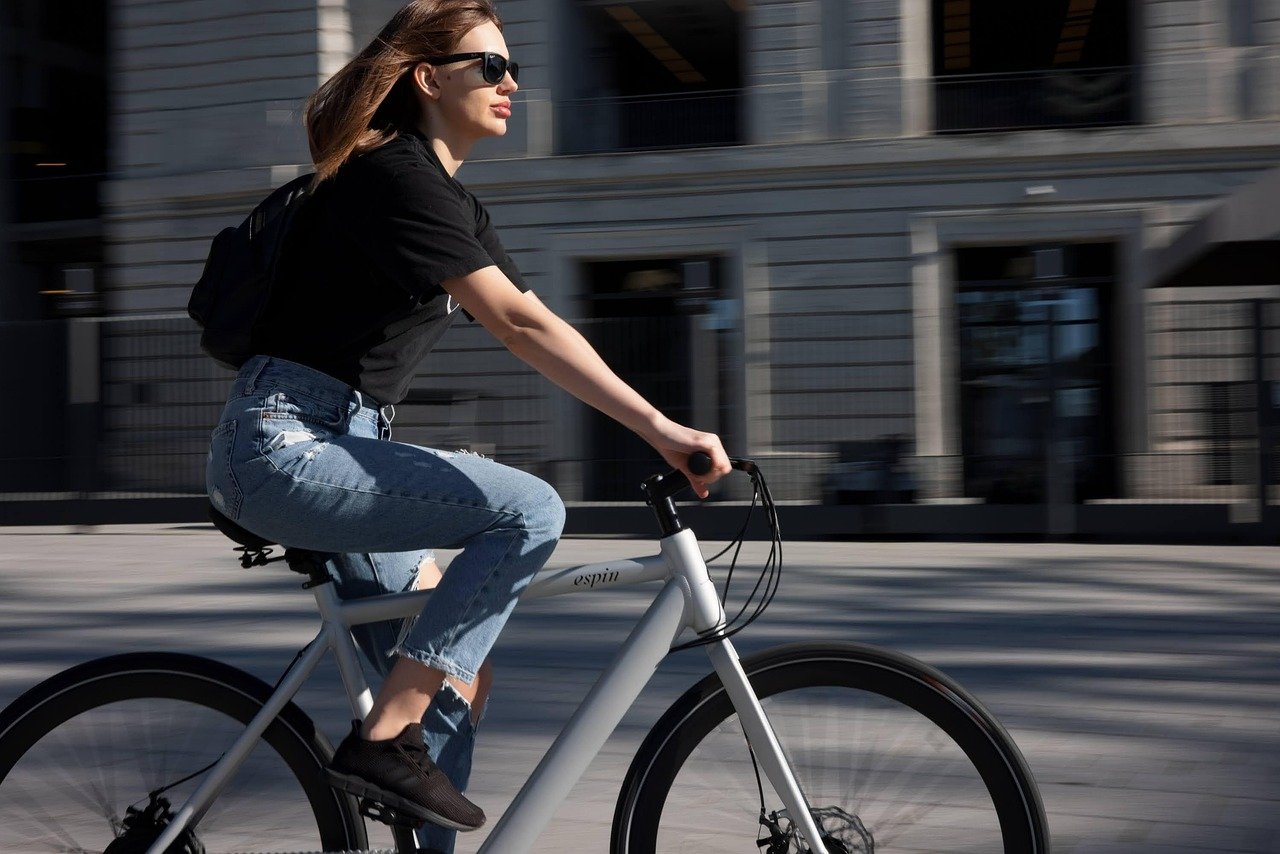
The assumption that eco-friendly transportation is not viable for widespread use is a common misconception. In reality, numerous eco-friendly transportation options are available, and they are becoming increasingly efficient and cost-effective. Eco-friendly transportation is crucial for reducing greenhouse gas emissions and mitigating the impacts of climate change. The need for sustainable transportation solutions has never been more pressing.
Defining Eco-Friendly Transportation
Eco-friendly transportation refers to modes of transport that have a minimal impact on the environment. This can include electric vehicles, hybrid vehicles, public transport, walking, and cycling. Eco-friendly transportation options reduce greenhouse gas emissions, air pollution, and other negative environmental impacts associated with traditional fossil fuel-based transportation methods.
Top Eco-Friendly Transportation Innovations to Know
1. Electric Vehicles
Electric vehicles are an increasingly popular eco-friendly transportation option. They are powered by electric motors, which are fueled by batteries that can be charged from an electrical outlet or a charging station. Electric vehicles produce zero tailpipe emissions, reducing greenhouse gas emissions and air pollution in urban areas.
- Why It Works:
- Zero tailpipe emissions
- Lower operating costs compared to traditional gasoline-powered vehicles
- Smooth and quiet ride
- Known Issues:
- Limited range and charging infrastructure
- Higher upfront costs compared to traditional vehicles
2. Hybrid Vehicles
Hybrid vehicles combine a conventional internal combustion engine with an electric motor. They are designed to reduce fuel consumption and greenhouse gas emissions. Hybrid vehicles are a popular choice for those who want to reduce their environmental impact but still require the range and flexibility of a traditional vehicle.
- Why It Works:
- Improved fuel efficiency
- Reduced greenhouse gas emissions
- Lower operating costs
- Known Issues:
- Higher upfront costs compared to traditional vehicles
- Complexity of the hybrid powertrain
| Vehicle Type | Fuel Efficiency | Greenhouse Gas Emissions |
|---|---|---|
| Electric Vehicle | Zero Emissions | Zero Tailpipe Emissions |
| Hybrid Vehicle | Improved Fuel Efficiency | Reduced Greenhouse Gas Emissions |
Real-World Benefits
✔ Reduced Greenhouse Gas Emissions
Eco-friendly transportation options such as electric and hybrid vehicles reduce greenhouse gas emissions, contributing to a cleaner and healthier environment.
✔ Improved Air Quality
Eco-friendly transportation options reduce air pollution, improving air quality and public health in urban areas.
✔ Lower Operating Costs
Eco-friendly transportation options such as electric and hybrid vehicles have lower operating costs compared to traditional gasoline-powered vehicles.
✔ Increased Energy Efficiency
Eco-friendly transportation options such as electric and hybrid vehicles are more energy-efficient, reducing the amount of energy required to power vehicles.
✔ Reduced Dependence on Fossil Fuels
Eco-friendly transportation options reduce dependence on fossil fuels, promoting energy independence and reducing the impact of price volatility.
Looking Ahead
- Increased adoption of electric and hybrid vehicles
- Expansion of public transport systems
- Development of more efficient and cost-effective eco-friendly transportation technologies
- Implementation of policies and incentives to encourage the use of eco-friendly transportation options
- Investment in infrastructure to support eco-friendly transportation options
- Growing demand for sustainable and environmentally friendly transportation solutions
Key Takeaways
Eco-friendly transportation options are becoming increasingly viable and efficient, offering numerous benefits for the environment and public health. As the world continues to shift towards sustainability, the importance of eco-friendly transportation will only continue to grow. By adopting eco-friendly transportation options, individuals and societies can contribute to a cleaner, healthier, and more sustainable future.