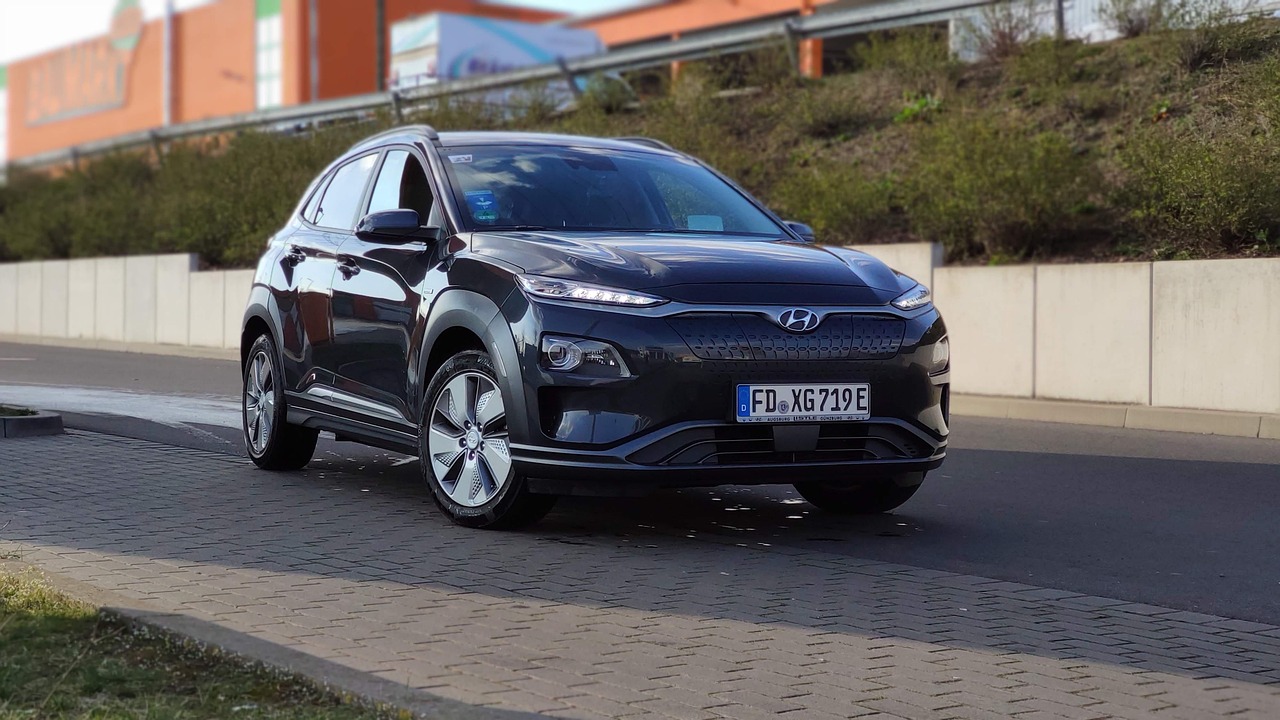
Most people believe that battery-powered cars are a relatively new concept, but the truth is that they have been around for over a century. However, it is only in recent years that they have gained popularity due to advancements in technology and growing concerns about climate change. Despite their increasing popularity, many misconceptions surround battery-powered cars, including their range, charging time, and overall performance. The reality is that these vehicles have come a long way and are now a viable option for those looking for an eco-friendly and cost-effective mode of transportation.
Defining Battery-Powered Cars
Battery-powered cars, also known as electric vehicles (EVs), are automobiles that are powered by a battery and an electric motor. They do not have a internal combustion engine, which means they do not produce any tailpipe emissions, making them a more environmentally friendly option. These vehicles are charged by plugging them into an electrical outlet or a charging station, and they can travel long distances on a single charge, depending on the type of battery and the efficiency of the vehicle.
Battery-Powered Car Methods Worth Knowing
1. Hybrid Electric Vehicles
Hybrid electric vehicles (HEVs) combine a conventional internal combustion engine with an electric motor and a battery. This allows them to achieve better fuel economy and lower emissions than traditional gasoline-powered vehicles. HEVs are a good option for those who want to transition to an electric vehicle but are not ready to give up the convenience of a gasoline engine.
- Key Benefits:
- Improved fuel economy
- Lower emissions
- Quieter and smoother ride
- What Needs Work:
- Limited electric-only range
- More complex powertrain
- Higher cost than traditional gasoline-powered vehicles
2. Battery Electric Vehicles
Battery electric vehicles (BEVs) are powered solely by a battery and an electric motor. They do not have a internal combustion engine, which means they produce zero tailpipe emissions. BEVs are a good option for those who have a short commute and can charge their vehicle at home or at work.
- Key Benefits:
- Zero tailpipe emissions
- Lower operating costs
- Smooth and quiet ride
- What Needs Work:
- Limited range and charging time
- Higher upfront cost
- Limited charging infrastructure
| Vehicle Type | Range | Charging Time |
|---|---|---|
| Hybrid Electric Vehicle | 500-600 miles | 4-6 hours |
| Battery Electric Vehicle | 200-300 miles | 8-12 hours |
Real-World Benefits
Battery-powered cars offer numerous benefits, including:
✔ Reduced Greenhouse Gas Emissions
Battery-powered cars produce zero tailpipe emissions, which means they do not contribute to climate change. This is especially important in urban areas where air pollution is a major concern.
✔ Lower Operating Costs
Battery-powered cars are generally cheaper to run than traditional gasoline-powered vehicles. They require less maintenance and have lower fuel costs, which can save owners thousands of dollars over the life of the vehicle.
✔ Improved Performance
Battery-powered cars have excellent acceleration and a smooth, quiet ride. They also have a lower center of gravity, which makes them more stable and less prone to rollovers.
✔ Government Incentives
Many governments offer incentives for buying battery-powered cars, including tax credits, rebates, and exemptions from certain fees. These incentives can help offset the higher upfront cost of these vehicles.
✔ Increased Energy Efficiency
Battery-powered cars are more energy-efficient than traditional gasoline-powered vehicles. They convert about 60-70% of the electrical energy from the grid to power the wheels, while gasoline-powered vehicles only convert about 20% of the energy in gasoline to power the wheels.
✔ Reduced Dependence on Fossil Fuels
Battery-powered cars are powered by electricity, which can be generated from a variety of sources, including renewable energy sources like solar and wind power. This reduces our dependence on fossil fuels and helps to mitigate climate change.
Looking Ahead
- Battery technology will continue to improve, with increased range and reduced charging time.
- More governments will offer incentives for buying battery-powered cars, making them more affordable for consumers.
- Charging infrastructure will expand, making it easier for people to own and operate battery-powered cars.
- Battery-powered cars will become more mainstream, with many major automakers offering a range of models.
- The cost of battery-powered cars will decrease, making them more competitive with traditional gasoline-powered vehicles.
- There will be increased investment in research and development of new battery technologies, such as solid-state batteries and lithium-air batteries.
What It All Means
Battery-powered cars are the future of transportation, offering a cleaner, more efficient, and more cost-effective alternative to traditional gasoline-powered vehicles. As technology continues to improve and governments offer more incentives, these vehicles will become increasingly popular, reducing greenhouse gas emissions and improving air quality in urban areas. The benefits of battery-powered cars are clear, and it is likely that they will play a major role in shaping the automotive industry in the years to come.