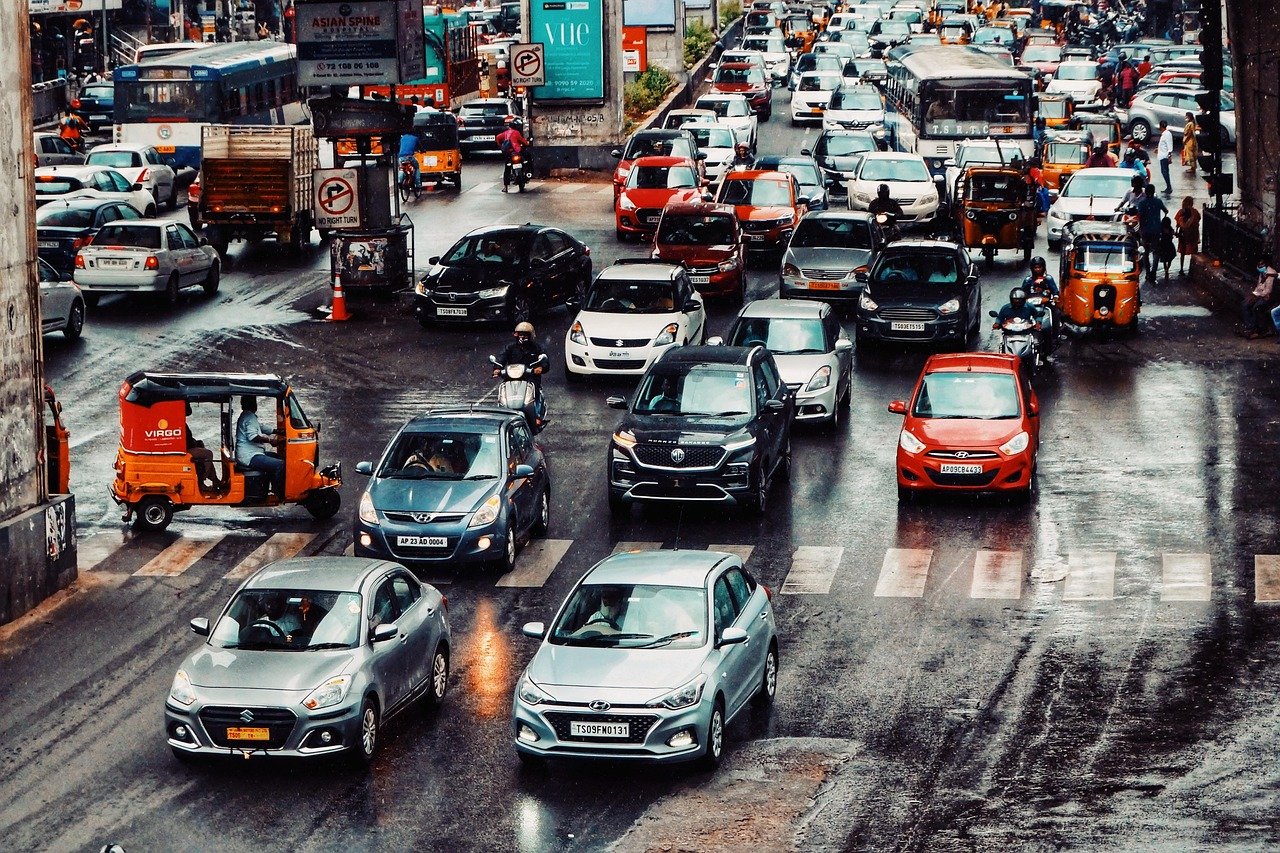
Are urban mobility issues affecting daily commutes? Is traffic congestion and lack of pedestrian-friendly infrastructure a concern? Understanding the basics of urban mobility can significantly improve the quality of life in cities. Urban mobility encompasses various modes of transportation, from walking and cycling to public transportation and driving. As cities continue to grow, it’s essential to develop efficient and sustainable transportation systems.
A Closer Look at Urban Mobility
Urban mobility refers to the ability to move freely and efficiently within a city. It involves a combination of transportation modes, including walking, cycling, public transportation, and driving. A well-designed urban mobility system should prioritize the needs of all users, regardless of age, ability, or income. This includes providing accessible and affordable transportation options, promoting walking and cycling, and reducing traffic congestion.
Latest Urban Mobility Technologies
1. Smart Traffic Management
Smart traffic management systems use real-time data and analytics to optimize traffic flow and reduce congestion. These systems can adjust traffic signal timings, monitor traffic conditions, and provide travelers with real-time information.
- Why It Works:
- Reduces traffic congestion by optimizing traffic signal timings
- Provides real-time information to travelers, helping them plan their routes
- Improves traffic safety by reducing the number of accidents
- Hurdles to Overcome:
- High implementation costs
- Requires significant investment in infrastructure and technology
- May require changes to existing traffic management practices
2. Electric Vehicles
Electric vehicles are an increasingly popular mode of transportation in cities. They offer a sustainable and environmentally friendly alternative to traditional gasoline-powered vehicles.
- Why It Works:
- Reduces greenhouse gas emissions and air pollution
- Lower operating costs compared to traditional vehicles
- Improves public health by reducing air pollution
- Hurdles to Overcome:
- High upfront costs
- Limited charging infrastructure
- Range anxiety and limited battery life
| Mode of Transportation | Environmental Impact | Cost |
|---|---|---|
| Walking | Low | |
| Cycling | Low | Low |
| Public Transportation | Medium | Medium |
| Electric Vehicles | Low | High |
What This Means in Practice
✔ Improved Air Quality
By promoting walking, cycling, and the use of electric vehicles, cities can significantly reduce air pollution and improve public health.
✔ Increased Mobility
Urban mobility systems that prioritize the needs of all users can increase mobility and accessibility for people with disabilities, older adults, and low-income communities.
✔ Reduced Traffic Congestion
Smart traffic management systems and the promotion of alternative modes of transportation can reduce traffic congestion and improve travel times.
✔ Enhanced Quality of Life
By providing efficient and sustainable transportation options, cities can enhance the quality of life for residents and visitors alike.
✔ Economic Benefits
Investing in urban mobility can have significant economic benefits, including increased productivity, job creation, and economic growth.
✔ Social Benefits
Urban mobility systems that prioritize social equity can help reduce social isolation, improve community engagement, and promote social cohesion.
How This Will Evolve
- Increased adoption of electric and autonomous vehicles
- Expansion of public transportation systems, including bus and rail networks
- Greater emphasis on walking and cycling infrastructure, including pedestrianized zones and bike-sharing systems
- Integration of smart traffic management systems with other urban systems, such as energy and transportation
- Development of new mobility services, including ride-hailing and car-sharing platforms
- Increased focus on social equity and accessibility in urban mobility planning
Closing Thoughts
Urban mobility is a complex and multifaceted issue that requires a comprehensive and integrated approach. By prioritizing the needs of all users and promoting sustainable and efficient transportation options, cities can improve the quality of life for residents and visitors alike. As cities continue to grow and evolve, it’s essential to stay ahead of the curve and invest in innovative urban mobility solutions.
Urban mobility is an ongoing process that requires continuous monitoring and evaluation. By staying informed and engaged, individuals can contribute to the development of more sustainable and equitable transportation systems.
The future of urban mobility is bright, with new technologies and innovations emerging every day. As cities continue to grow and evolve, it’s essential to prioritize the needs of all users and promote sustainable and efficient transportation options.