Most people believe that battery-powered cars are the future of transportation, but few understand the complexities and challenges associated with these vehicles. The reality is that battery-powered cars are not as environmentally friendly as they seem, and their high cost is a significant barrier to adoption. Furthermore, the limited range and charging time of these vehicles make them less practical for long road trips. Despite these drawbacks, battery-powered cars have the potential to revolutionize the way we travel.
Breaking Down Battery-Powered Cars
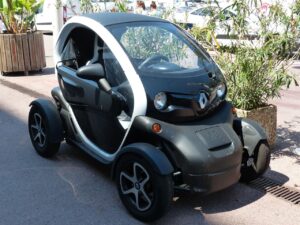
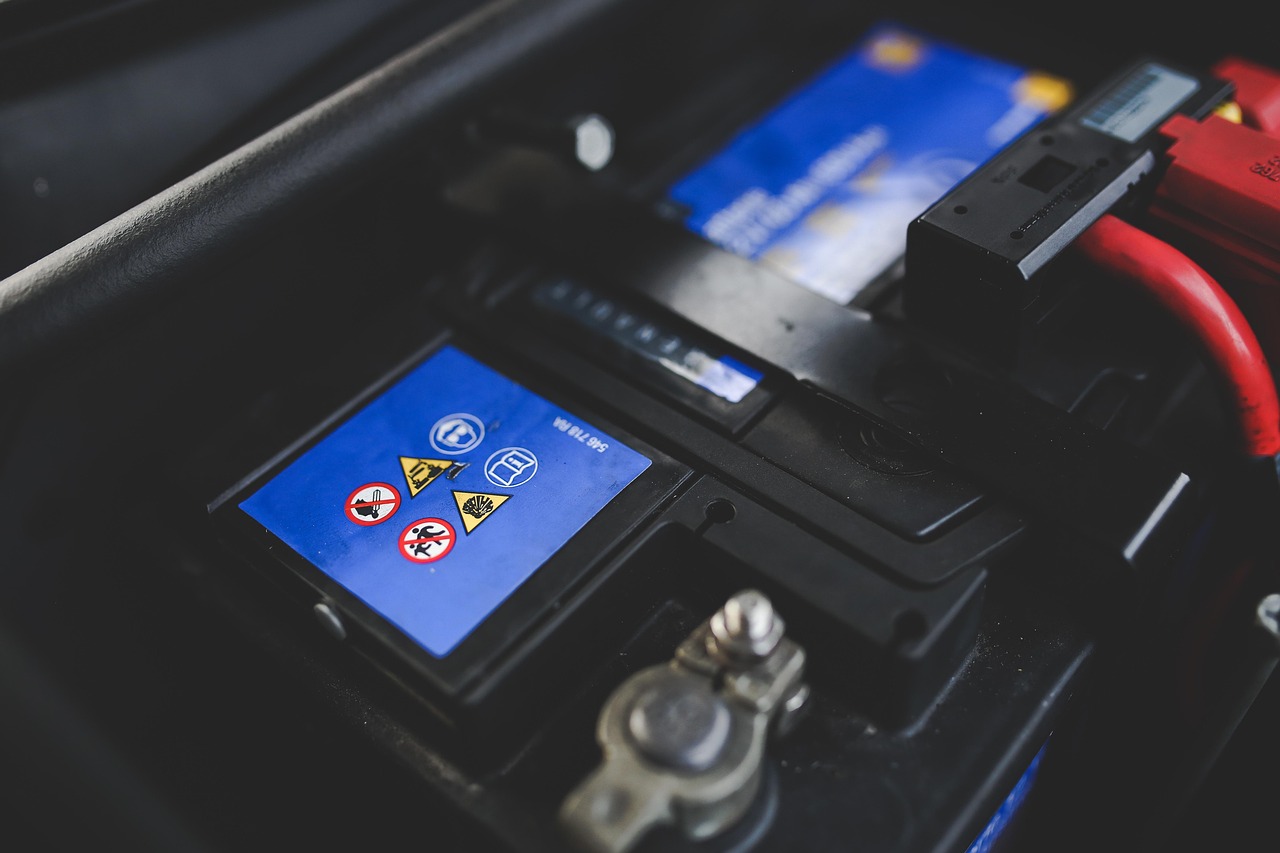
A battery-powered car is a type of electric vehicle that uses one or more electric motors or traction motors for propulsion, powered by a battery, such as a nickel-cadmium (NiCd), nickel-metal hydride (NiMH), or lithium-ion (Li-ion) battery. These vehicles have several benefits, including reduced greenhouse gas emissions, lower operating costs, and improved performance. However, they also have some significant drawbacks, such as high upfront costs, limited range, and long charging times.
Top Battery-Powered Car Innovations to Know
1. Tesla Model S
The Tesla Model S is a full-size luxury sedan that is widely considered to be one of the best electric vehicles on the market. With a range of up to 373 miles on a single charge, this vehicle is perfect for those who want a high-performance electric car with a luxurious interior.
- Plus Points:
- Long range and fast charging capabilities
- Luxurious interior and advanced technology features
- High-performance electric motor
- Hurdles to Overcome:
- High upfront cost
- Limited availability of charging stations
- Dependence on non-renewable energy sources for charging
2. Nissan Leaf
The Nissan Leaf is a compact hatchback that is one of the most popular electric vehicles on the market. With a range of up to 147 miles on a single charge, this vehicle is perfect for those who want an affordable and practical electric car for city driving.
- Plus Points:
- Affordable upfront cost
- Low operating costs
- Environmentally friendly
- Hurdles to Overcome:
- Limited range and charging time
- Lack of advanced technology features
- Dependence on non-renewable energy sources for charging
| Vehicle | Range | Charging Time | Upfront Cost |
|---|---|---|---|
| Tesla Model S | 373 miles | 30 minutes | $79,990 |
| Nissan Leaf | 147 miles | 4-8 hours | $29,990 |
Real-World Benefits
✔ Reduced Greenhouse Gas Emissions
Battery-powered cars produce zero tailpipe emissions, reducing greenhouse gas emissions and air pollution in urban areas.
✔ Lower Operating Costs
Battery-powered cars have lower operating costs than traditional gasoline-powered vehicles, with lower fuel and maintenance costs.
✔ Improved Performance
Battery-powered cars have excellent acceleration and performance, making them a joy to drive.
✔ Government Incentives
Many governments offer incentives for purchasing battery-powered cars, such as tax credits and rebates.
✔ Increased Energy Efficiency
Battery-powered cars have higher energy efficiency than traditional gasoline-powered vehicles, converting about 60-70% of the electrical energy from the grid to power the wheels.
How This Will Evolve
- Battery technology will continue to improve, with increased range and faster charging times.
- The cost of battery-powered cars will decrease, making them more affordable for the average consumer.
- More governments will offer incentives for purchasing battery-powered cars, such as tax credits and rebates.
- The development of autonomous vehicles will increase, with battery-powered cars playing a major role.
- The use of renewable energy sources, such as solar and wind power, will become more prevalent for charging battery-powered cars.
- Battery-powered cars will become more integrated with the grid, with vehicle-to-grid technology allowing cars to supply energy back to the grid.
Final Thoughts
Battery-powered cars are an exciting and rapidly evolving technology that has the potential to revolutionize the way we travel. While they have their drawbacks, the benefits of reduced greenhouse gas emissions, lower operating costs, and improved performance make them an attractive option for those looking for a more sustainable and environmentally friendly mode of transportation. As the technology continues to improve and the cost decreases, battery-powered cars will become an increasingly popular choice for consumers.