Are zero emissions really achievable in today’s industrialized world? Can companies and individuals make a significant impact by reducing their carbon footprint? What role do governments play in promoting zero emissions practices? As concerns over climate change and environmental sustainability continue to grow, these questions are at the forefront of many discussions.
The pursuit of zero emissions is not just an environmental issue, but also an economic and social one. It involves a fundamental transformation in how energy is produced, consumed, and managed. From renewable energy sources to electric vehicles, numerous technologies and practices are being developed and implemented to reduce greenhouse gas emissions and mitigate the effects of climate change.
The path towards zero emissions requires a multifaceted approach, involving governments, corporations, and individuals. It demands significant investments in clean energy technologies, increases in energy efficiency, and changes in consumer behavior. As the world transitions towards a low-carbon economy, it is essential to understand the current state of zero emissions technologies and their potential impact on the environment and society.
Understanding Zero Emissions
Zero emissions refer to the reduction of greenhouse gas emissions to net-zero, which means that any emissions are balanced by equivalent removals. This can be achieved through various means, including the use of renewable energy sources, increases in energy efficiency, and the deployment of carbon capture and storage technologies. Zero emissions are critical for mitigating climate change and achieving a sustainable future.
Latest Zero Emissions Technologies
1. Solar Energy
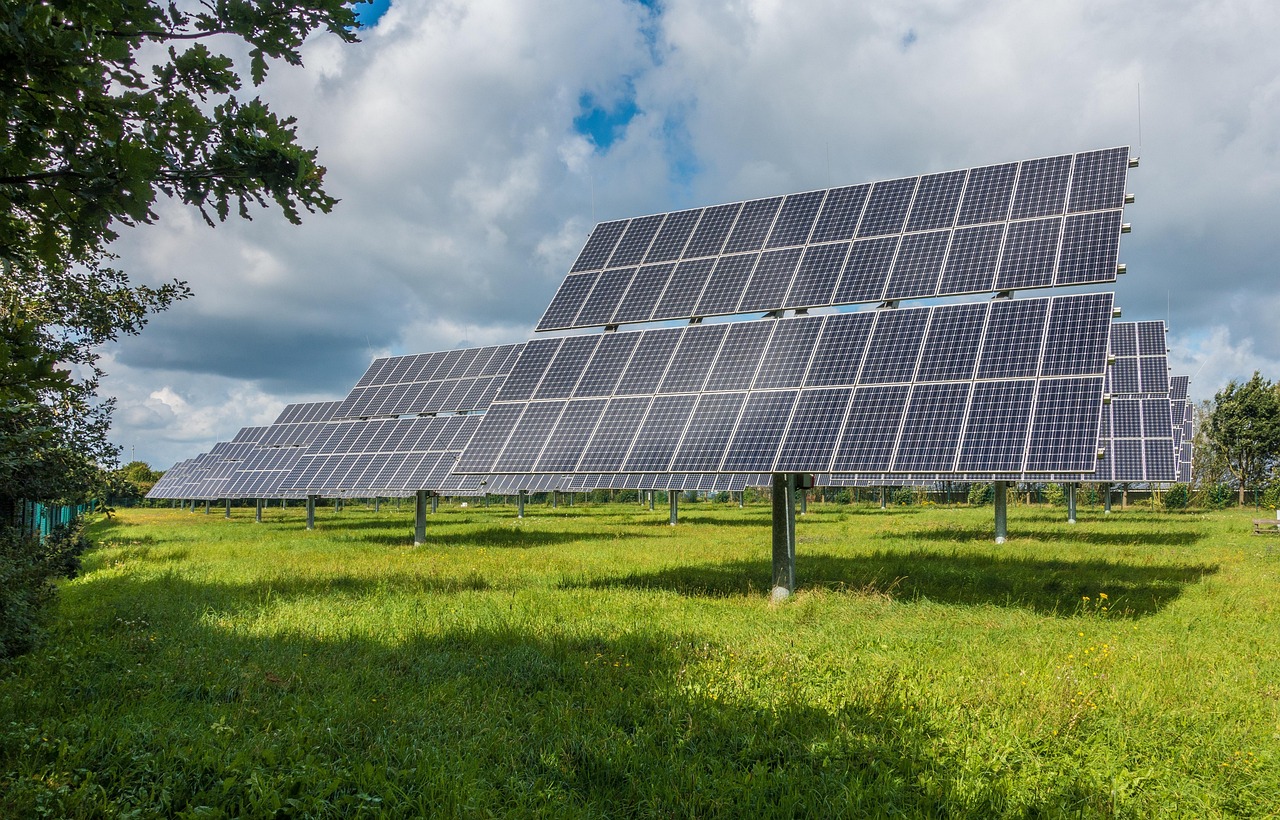
Solar energy is one of the most promising zero emissions technologies, with the potential to power homes, businesses, and industries. The cost of solar panels has decreased dramatically in recent years, making them more accessible to a wider range of people.
- Advantages:
- Renewable and sustainable energy source
- Zero greenhouse gas emissions
- Low operating and maintenance costs
- Current Limitations:
- Intermittent energy source
- High upfront costs
- Land requirements for large-scale solar farms
2. Wind Energy
Wind energy is another significant zero emissions technology, with wind turbines generating electricity from the kinetic energy of the wind. Advances in turbine design and materials have improved efficiency and reduced costs.
- Advantages:
- Renewable and sustainable energy source
- Low operating and maintenance costs
- Can be used for both electricity generation and mechanical power
- Current Limitations:
- Intermittent energy source
- Noise and visual pollution concerns
- Wildlife impact, particularly on bird populations
| Technology | Capacity Factor | Levelized Cost of Energy (LCOE) |
|---|---|---|
| Solar PV | 15-20% | $30-50/MWh |
| Wind Energy | 30-45% | $25-40/MWh |
The Impact on Consumers
The shift towards zero emissions technologies has significant implications for consumers, from energy costs to transportation options.
✔ Reduced Energy Bills
Consumers who adopt zero emissions technologies, such as solar energy, can reduce their energy bills and save money in the long run.
✔ Increased Energy Independence
Zero emissions technologies enable consumers to generate their own energy, reducing their reliance on the grid and enhancing energy security.
✔ Improved Air Quality
By reducing greenhouse gas emissions and air pollutants, zero emissions technologies contribute to improved air quality, which is essential for public health and well-being.
✔ Enhanced Transportation Options
The development of electric and hybrid vehicles provides consumers with more sustainable transportation options, reducing emissions and operating costs.
✔ Support for Local Economies
Zero emissions technologies can create new job opportunities and stimulate local economies, particularly in the renewable energy sector.
✔ Reduced Carbon Footprint
By adopting zero emissions technologies, consumers can significantly reduce their carbon footprint and contribute to a more sustainable future.
What Researchers Are Working On
- Advances in solar panel efficiency to increase energy output and reduce costs
- Development of more efficient wind turbine designs to improve energy generation
- Improvements in energy storage technologies to address intermittency issues
- Research into new materials and technologies for carbon capture and storage
- Development of smart grids to optimize energy distribution and management
- Investigations into the potential of hydrogen fuel cells for transportation and energy storage
The Bottom Line
Achieving zero emissions is a complex and challenging task, but it is essential for mitigating climate change and ensuring a sustainable future. Through the development and deployment of zero emissions technologies, individuals, companies, and governments can work together to reduce greenhouse gas emissions and create a better world for future generations. The transition to a low-carbon economy requires significant investments, policy changes, and behavioral shifts, but the benefits of zero emissions far outweigh the costs.
The pursuit of zero emissions is an ongoing process, with new technologies and innovations emerging continuously. As the world continues to transition towards a more sustainable future, it is crucial to stay informed about the latest developments and advancements in zero emissions technologies.
By understanding the current state of zero emissions technologies and their potential impact, individuals and organizations can make informed decisions and contribute to a more sustainable future.