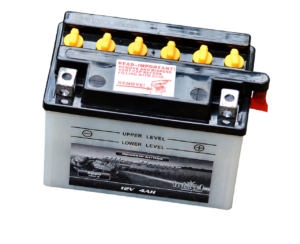
It is often assumed that charging cycles are a simple process of plugging in a device and waiting for it to charge. However, the reality is that charging cycles involve a complex series of steps that affect the overall health and longevity of a battery. Despite their importance, many people are unaware of the intricacies of charging cycles and how they impact device performance. To truly understand the process, it is essential to examine the basics of charging cycles and their effects on everyday life.
The Basics of Charging Cycles
A charging cycle is defined as the process of discharging a battery from 100% to 0% and then recharging it back to 100%. This cycle is crucial in determining the overall health and lifespan of a battery. The number of charging cycles a battery can withstand before its capacity starts to degrade is an important factor in determining its overall quality. Understanding the basics of charging cycles is essential for optimizing battery performance and extending its lifespan.
Leading Charging Cycle Solutions
1. Lithium-Ion Batteries
Lithium-ion batteries are one of the most common types of batteries used in portable devices. They offer high energy density, long cycle life, and relatively low self-discharge rates. Lithium-ion batteries are widely used in smartphones, laptops, and other portable devices due to their high performance and durability.
- Advantages:
- High energy density
- Long cycle life
- Low self-discharge rates
- Current Limitations:
- High cost
- Sensitive to high temperatures
- Can be damaged by overcharging
2. Nickel-Metal Hydride Batteries
Nickel-metal hydride batteries are another type of battery commonly used in hybrid and electric vehicles. They offer high energy density, long cycle life, and are relatively environmentally friendly. Nickel-metal hydride batteries are also used in cordless power tools and other devices that require high power output.
- Advantages:
- High energy density
- Long cycle life
- Environmentally friendly
- Current Limitations:
- Lower energy density than lithium-ion batteries
- More prone to self-discharge
- Can be damaged by overcharging
| Battery Type | Energy Density | Cycle Life | Self-Discharge Rate |
|---|---|---|---|
| Lithium-Ion | 120-150 Wh/kg | 300-500 cycles | 2-3% per month |
| Nickel-Metal Hydride | 60-80 Wh/kg | 300-500 cycles | 20-30% per month |
How This Affects Everyday Life
✔ Increased Device Performance
Understanding charging cycles can help optimize device performance by reducing the risk of battery degradation. By following proper charging and discharging procedures, users can extend the lifespan of their devices and improve overall performance.
✔ Longer Battery Life
Charging cycles have a direct impact on battery life. By understanding how charging cycles affect battery health, users can take steps to extend the lifespan of their batteries and reduce the need for frequent replacements.
✔ Reduced Electronic Waste
By extending the lifespan of devices and batteries, users can reduce the amount of electronic waste generated. This can have a positive impact on the environment by reducing the need for new devices and the waste generated during the manufacturing process.
✔ Cost Savings
Understanding charging cycles can help users reduce costs associated with frequent battery replacements. By optimizing charging and discharging procedures, users can extend the lifespan of their batteries and reduce the need for expensive replacements.
✔ Improved Safety
Charging cycles can also impact safety. By understanding how charging cycles affect battery health, users can reduce the risk of battery-related accidents such as overheating and explosions.
Upcoming Trends
- Increased use of lithium-ion batteries in electric vehicles
- Development of new battery technologies such as solid-state batteries
- Improved charging cycle management systems
- Increased focus on sustainable battery production and recycling
- Development of new battery-powered devices such as smart home appliances
- Increased investment in battery research and development
Closing Thoughts
Charging cycles play a crucial role in determining the overall health and longevity of a battery. By understanding the basics of charging cycles and their effects on everyday life, users can take steps to optimize device performance, extend battery life, and reduce electronic waste. As technology continues to evolve, it is essential to stay informed about the latest developments in battery technology and charging cycle management.