Battery packs are gaining attention due to their increasing importance in various industries, including electric vehicles, renewable energy systems, and consumer electronics. The demand for efficient and reliable energy storage solutions is driving innovation in battery pack technology. As a result, researchers and manufacturers are developing new materials, designs, and systems to improve the performance and sustainability of battery packs. The growth of the electric vehicle market, in particular, is driving the development of advanced battery pack technologies.
What Is a Battery Pack?
A battery pack is a collection of individual battery cells or modules that are connected together to provide a specific voltage, capacity, and power output. Battery packs can be designed for a wide range of applications, from small consumer electronics to large-scale industrial systems. The design and configuration of a battery pack depend on the specific requirements of the application, including the desired energy storage capacity, power output, and charging time.
Core Battery Pack Approaches
1. Lithium-Ion Battery Packs
Lithium-ion battery packs are one of the most common types of battery packs used in portable electronics and electric vehicles. They offer high energy density, long cycle life, and relatively low self-discharge rates. Lithium-ion battery packs are widely used in consumer electronics, such as smartphones and laptops, as well as in electric vehicles and renewable energy systems.
- Strengths:
- High energy density
- Long cycle life
- Relatively low self-discharge rates
- What Needs Work:
- High cost
- Limited recyclability
- Potential safety risks due to thermal runaway
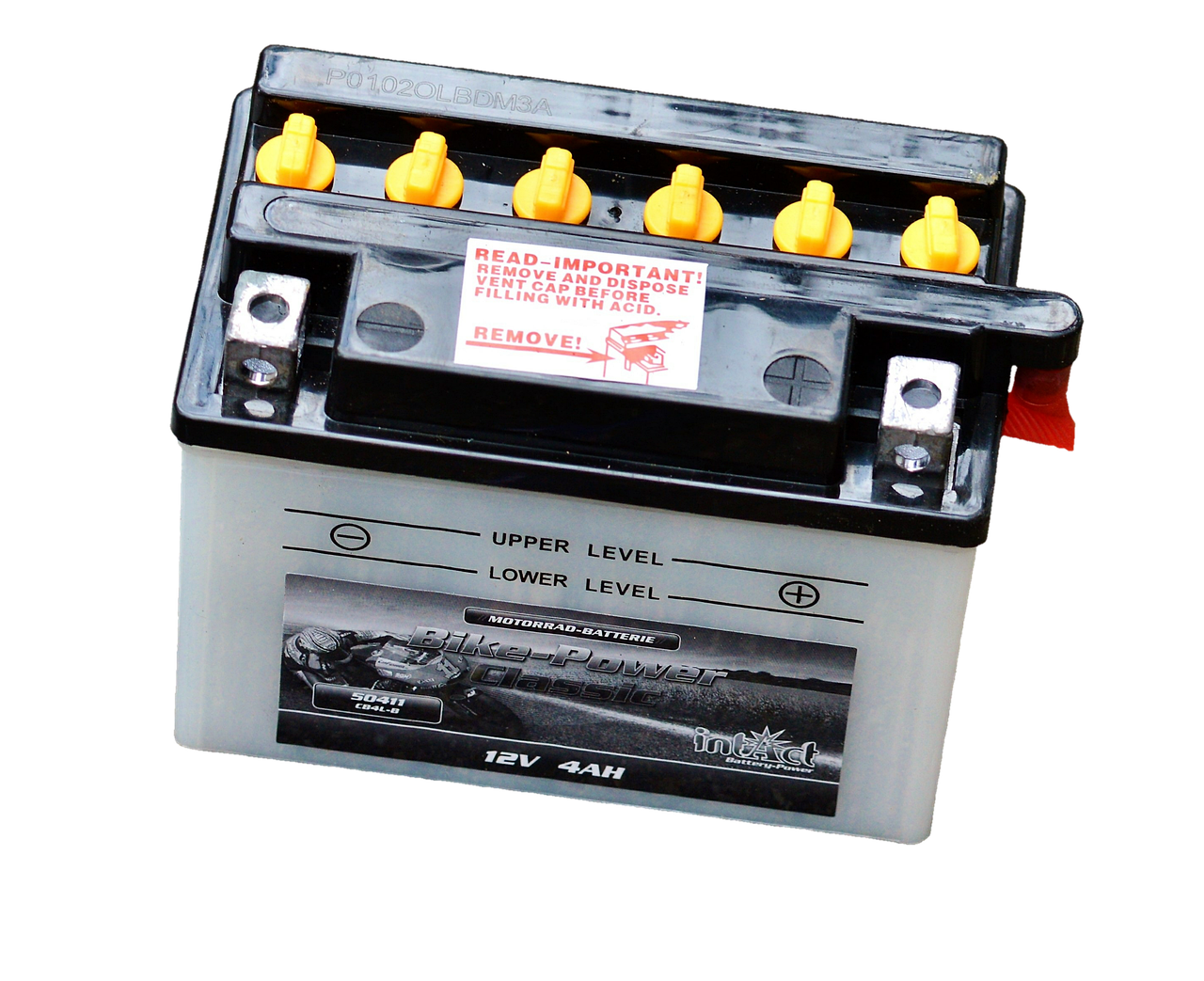
2. Lead-Acid Battery Packs
Lead-acid battery packs are a well-established technology that has been used for many years in automotive and industrial applications. They offer low upfront costs, well-established manufacturing infrastructure, and relatively simple maintenance requirements. Lead-acid battery packs are widely used in automotive systems, such as starter batteries, as well as in backup power systems and renewable energy applications.
- Strengths:
- Low upfront costs
- Well-established manufacturing infrastructure
- Relatively simple maintenance requirements
- What Needs Work:
- Low energy density
- Limited cycle life
- Environmental concerns due to lead toxicity
| Battery Type | Energy Density (Wh/kg) | Cycle Life | Cost (USD/kWh) |
|---|---|---|---|
| Lithium-Ion | 100-265 | 300-1000 | 150-300 |
| Lead-Acid | 30-50 | 200-500 | 100-200 |
The Impact on Consumers
✔ Increased Energy Efficiency
Battery packs are enabling consumers to reduce their energy consumption and lower their environmental footprint. By providing efficient and reliable energy storage, battery packs are helping to reduce waste and promote sustainable practices.
✔ Improved Performance
Battery packs are enhancing the performance of consumer electronics and electric vehicles. By providing higher energy density and faster charging times, battery packs are enabling consumers to enjoy longer battery life and improved device performance.
✔ Enhanced Safety
Battery packs are being designed with safety features to protect consumers from potential hazards. By incorporating advanced safety features, such as thermal management systems and protective circuits, battery packs are reducing the risk of accidents and injuries.
✔ Greater Convenience
Battery packs are providing consumers with greater convenience and flexibility. By enabling devices to be used on-the-go, battery packs are freeing consumers from the constraints of traditional power sources and promoting mobile lifestyles.
✔ Reduced Costs
Battery packs are helping consumers to reduce their energy costs. By providing efficient and reliable energy storage, battery packs are enabling consumers to reduce their energy consumption and lower their utility bills.
✔ Increased Sustainability
Battery packs are promoting sustainable practices and reducing environmental waste. By providing efficient and reliable energy storage, battery packs are helping to reduce the demand for non-renewable energy sources and promote eco-friendly lifestyles.
What Researchers Are Working On
- Developing new battery chemistries with higher energy density and longer cycle life
- Improving the safety and reliability of battery packs through advanced materials and designs
- Enhancing the efficiency and performance of battery packs through advanced thermal management systems
- Reducing the cost and environmental impact of battery packs through sustainable manufacturing practices
- Developing new applications for battery packs, such as grid-scale energy storage and electric aircraft propulsion
- Improving the recyclability and reusability of battery packs to reduce waste and promote sustainable practices
Worth Remembering
Battery packs are a critical component of modern energy systems, and their development and application are driving innovation and sustainability. As researchers and manufacturers continue to improve the performance, efficiency, and sustainability of battery packs, consumers can expect to see significant benefits in terms of energy efficiency, cost savings, and environmental sustainability. The future of battery pack technology holds much promise, and its impact will be felt across a wide range of industries and applications.