Every day, over 150 million people in the United States alone commute to work, with the average commute time being approximately 27 minutes one way. This translates to about 4.35 hours per week spent commuting, which can significantly impact an individual’s quality of life. The impact of commuting is not just limited to the time spent traveling but also extends to mental and physical health, productivity, and overall job satisfaction. Given its widespread effects, understanding commuting and its various aspects is essential for both individuals and policymakers.
Understanding Commuting
Commuting refers to the regular travel between one’s place of residence and a workplace or school, typically on a daily basis. It involves the use of various modes of transportation such as driving a car, taking public transportation, cycling, or walking. The choice of commuting method often depends on factors such as distance, cost, personal preference, and the availability of transportation options. Understanding the concept of commuting is crucial for addressing the challenges associated with it and for finding effective solutions to mitigate its negative impacts.
Commuting Methods Worth Knowing
1. Driving
Driving is one of the most common commuting methods, especially for those living in suburban or rural areas where public transportation may be limited. It offers the convenience of door-to-door travel and flexibility in scheduling. However, it also comes with drawbacks such as traffic congestion, parking challenges, and the environmental impact of vehicle emissions.
- What You Gain:
- Flexibility in travel times
- Door-to-door service
- Ease of transporting goods or multiple passengers
- Known Issues:
- Traffic congestion and potential for accidents
- High cost of vehicle maintenance, fuel, and parking
- Environmental impact due to emissions
2. Public Transportation
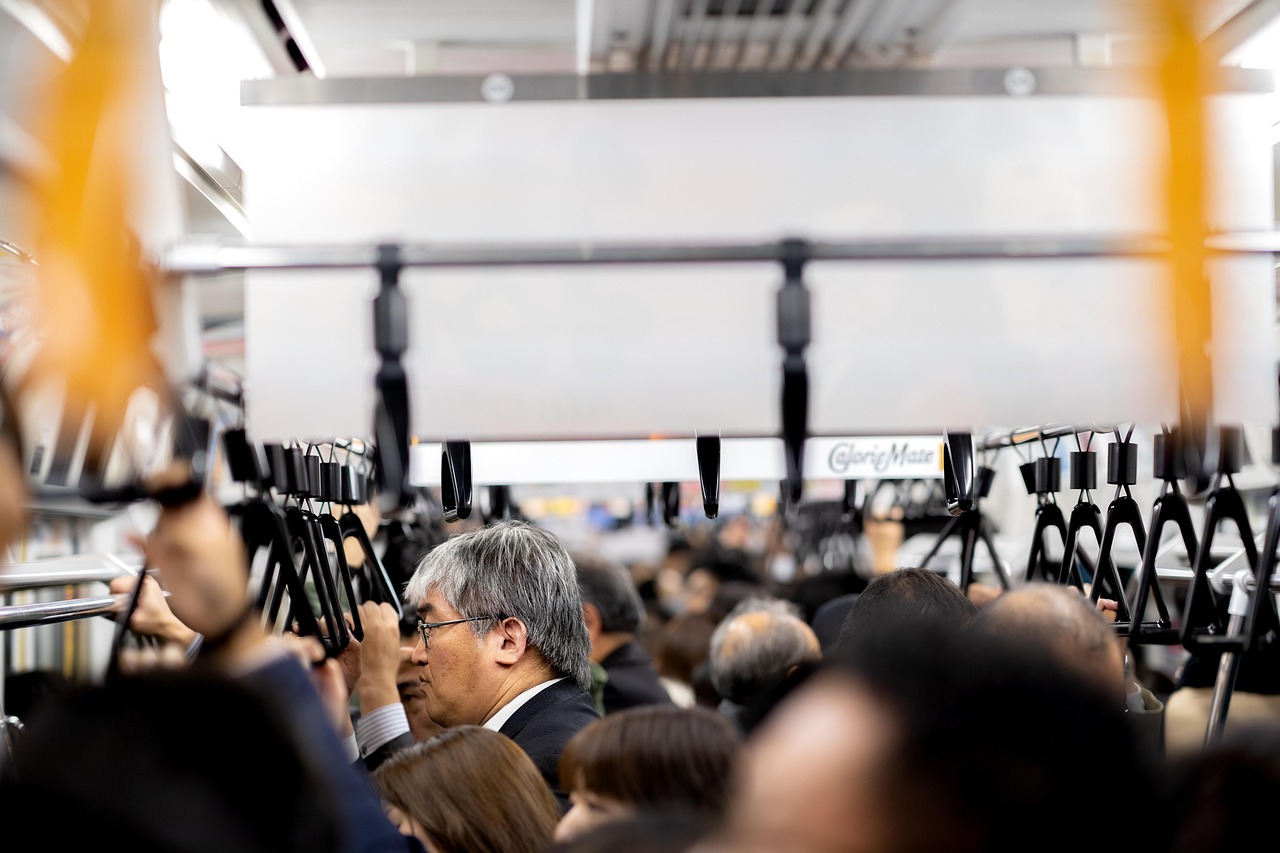
Public transportation, including buses, trains, and subways, is another prevalent commuting method, particularly in urban areas. It is often more affordable than driving and can reduce the stress associated with driving in heavy traffic. However, it may involve longer travel times, less flexibility in scheduling, and concerns about safety and cleanliness.
- What You Gain:
- Affordability compared to driving a personal vehicle
- Reduced stress from not having to drive
- Environmental benefits due to lower emissions per passenger
- Known Issues:
- Less flexibility in scheduling and route planning
- Potential for overcrowding and lack of personal space
- Concerns about safety and the cleanliness of vehicles
| Commuting Method | Average Cost | Environmental Impact |
|---|---|---|
| Driving | High | High emissions |
| Public Transportation | Low to Moderate | Lower emissions per passenger |
How This Affects Everyday Life
✔ Increased Stress: Long commutes can lead to higher levels of stress, which may negatively impact mental health and overall well-being.
✔ Reduced Productivity: The time spent commuting could be utilized more productively, such as for work, learning, or personal activities, thereby affecting job performance and career advancement.
✔ Environmental Concerns: The reliance on personal vehicles for commuting contributes to air pollution, exacerbating environmental issues like climate change and urban air quality problems.
✔ Impact on Physical Health: Sedentary commuting, such as driving or taking public transportation, can contribute to a lack of physical activity, potentially leading to health problems like obesity and cardiovascular diseases.
✔ Social Isolation: Commuting, especially in solitary modes like driving, can reduce opportunities for social interaction, potentially leading to feelings of loneliness and isolation.
✔ Economic Burden: The cost of commuting, including fuel, maintenance, parking, and public transportation fares, can place a significant economic burden on individuals and families.
What Researchers Are Working On
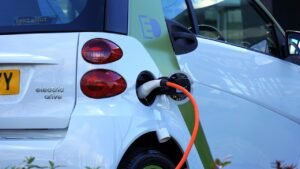
- Developing more efficient and environmentally friendly transportation systems, such as electric or self-driving vehicles.
- Improving public transportation infrastructure to make it more accessible, reliable, and appealing to a wider audience.
- Exploring alternative commuting models, such as telecommuting or flexible work arrangements, to reduce the need for daily travel.
- Investigating the health impacts of commuting to inform policies and interventions that promote healthier commuting habits.
- Designing urban planning strategies that prioritize mixed-use development and walkable communities to reduce commuting distances and times.
Final Thoughts
Commuting is a complex issue that affects not only individuals but also the environment and the economy. Addressing its challenges requires a multifaceted approach that involves policymakers, employers, and individuals working together to create more sustainable, efficient, and healthy commuting options.
The future of commuting will likely involve a mix of technological innovation, policy changes, and shifts in societal attitudes towards work, travel, and urban living. By understanding the impacts of commuting and working towards solutions, it is possible to create a better quality of life for commuters and contribute to a more sustainable future.
Ultimately, the goal should be to make commuting not just a necessary part of daily life but a component that supports overall well-being and contributes positively to societal and environmental health.