It is often assumed that reducing emissions to zero is a long-term goal that requires significant investments of time, money, and resources. However, this assumption is not entirely accurate. While achieving zero emissions does require a comprehensive approach, there are several quick wins that can be implemented to significantly reduce environmental impact. These strategies are simple, effective, and can be implemented in a relatively short period. Reducing emissions to zero is critical for environmental sustainability, and these quick wins can help achieve this target.
The Basics of Zero Emissions
Zero emissions refer to the reduction of greenhouse gas emissions to zero, or to a level that is offset by equivalent removals. This can be achieved through a combination of strategies, including increasing energy efficiency, switching to renewable energy sources, and implementing carbon capture and storage technologies. Zero emissions are critical for mitigating climate change, as greenhouse gas emissions are a major contributor to global warming.
Zero Emissions Methods Worth Knowing
1. Energy Efficiency
Energy efficiency is one of the simplest and most effective ways to reduce emissions. This can be achieved through the use of energy-efficient appliances, lighting, and HVAC systems. Energy-efficient buildings can also be designed to maximize natural light and insulation, reducing the need for artificial lighting and heating and cooling.
- Advantages:
- Reduced energy consumption
- Lower energy costs
- Increased comfort and productivity
- Known Issues:
- Higher upfront costs for energy-efficient appliances and systems
- Potential for increased maintenance costs
2. Renewable Energy
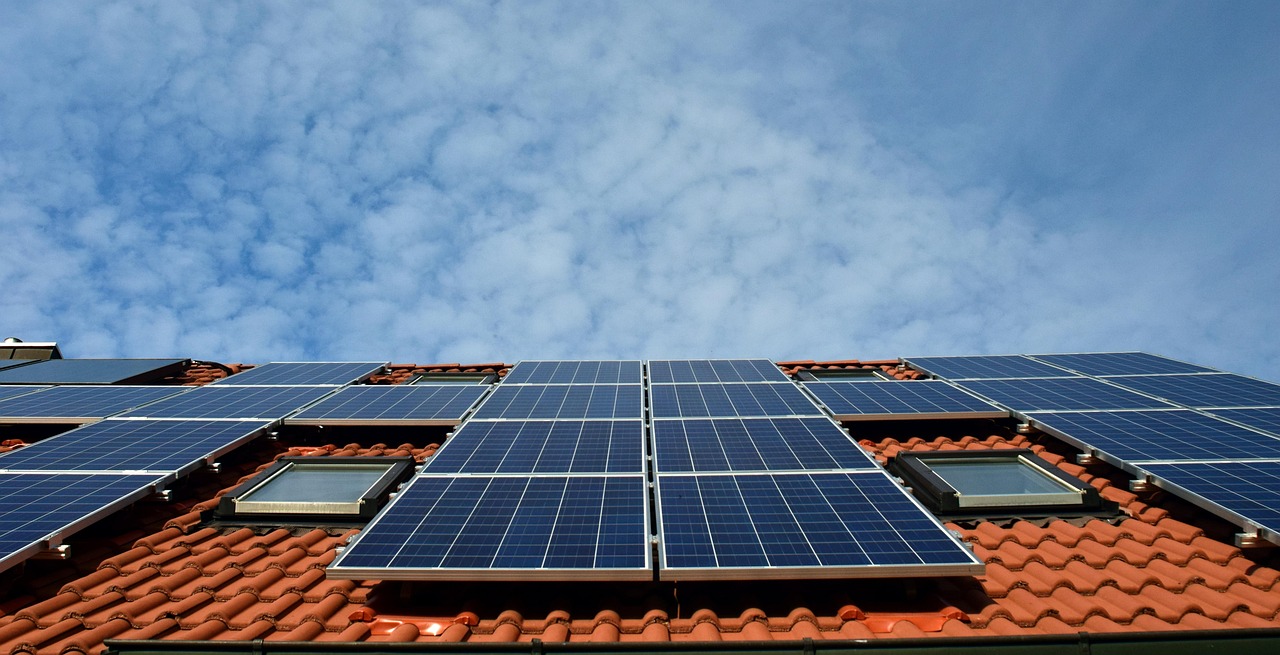
Renewable energy sources, such as solar and wind power, are becoming increasingly cost-competitive with fossil fuels. These sources can be used to generate electricity, heat, and cool buildings, reducing reliance on fossil fuels and lowering emissions.
- Advantages:
- Renewable energy sources are sustainable and abundant
- Reduced greenhouse gas emissions
- Lower energy costs over time
- Known Issues:
- Intermittent energy supply
- Higher upfront costs for renewable energy systems
| Energy Source | Emissions (kg CO2/MWh) | Cost ($/MWh) |
|---|---|---|
| Coal | 1,000 | 50 |
| Natural Gas | 500 | 30 |
| Solar | 20 | 25 |
| Wind | 10 | 20 |
Why This Matters to You
✔ Reduced Energy Costs
Implementing zero emissions strategies can significantly reduce energy costs over time. Energy-efficient appliances and systems, as well as renewable energy sources, can lower energy consumption and costs.
✔ Increased Comfort and Productivity
Energy-efficient buildings can increase comfort and productivity, as they are designed to maximize natural light and insulation. This can lead to improved health, happiness, and productivity.
✔ Improved Air Quality
Reducing emissions can improve air quality, as fewer pollutants are released into the atmosphere. This can lead to improved health and wellbeing, particularly for vulnerable populations such as children and the elderly.
✔ Enhanced Reputation and Brand
Implementing zero emissions strategies can enhance an organization’s reputation and brand, as it demonstrates a commitment to sustainability and environmental responsibility.
✔ Compliance with Regulations
Implementing zero emissions strategies can help organizations comply with environmental regulations and avoid potential fines and penalties.
✔ Increased Property Value
Energy-efficient and sustainable buildings can increase property value, as they are more attractive to tenants and buyers.
What’s Coming
- Increased adoption of renewable energy sources
- Improvements in energy storage technologies
- Greater emphasis on sustainable transportation
- Increased use of green building materials
- More stringent environmental regulations
- Greater investment in clean technologies
Key Takeaways
Achieving zero emissions is critical for environmental sustainability, and several quick wins can help achieve this target. Implementing energy-efficient strategies, switching to renewable energy sources, and investing in clean technologies can significantly reduce environmental impact. These strategies can also provide numerous benefits, including reduced energy costs, increased comfort and productivity, and enhanced reputation and brand.