Contrary to popular belief, renewable energy integration is not as complicated as it seems. Many assume that integrating renewable energy sources into the existing energy grid is a daunting task that requires significant overhaul. However, with advancements in technology and strategic planning, the process can be relatively seamless. The key is understanding the capabilities and limitations of different renewable energy sources and designing systems that can accommodate their variability.
A Closer Look at Renewable Energy Integration
Renewable energy integration refers to the process of incorporating energy generated from renewable sources, such as solar, wind, and hydroelectric power, into the existing energy grid. This integration is crucial for reducing dependence on fossil fuels and mitigating climate change. A clear understanding of renewable energy sources and their characteristics is essential for effective integration. Each source has its unique profile of generation, variability, and predictability, which must be considered in the design and operation of the energy system.
Latest Renewable Energy Technologies
1. Solar Energy Systems
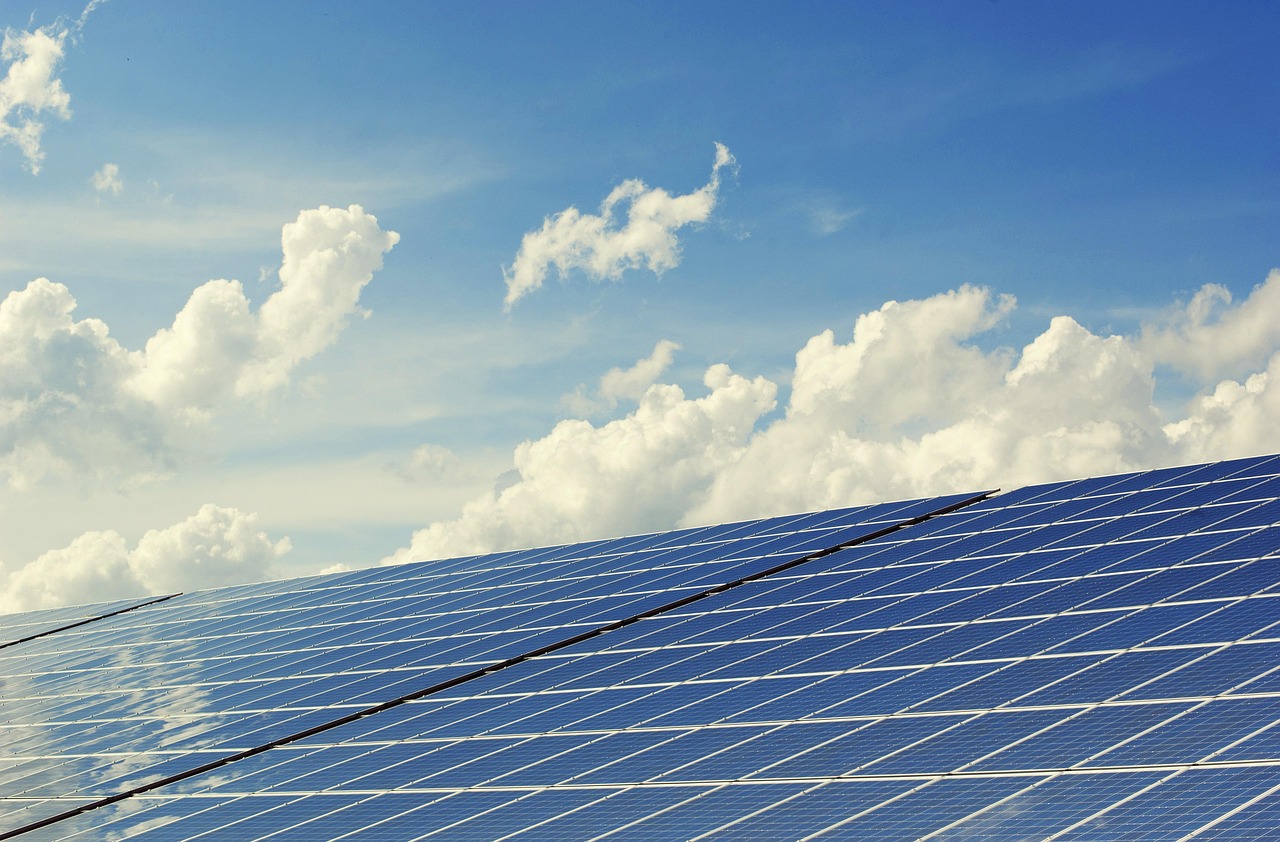
Solar energy systems have become increasingly efficient and affordable, making them a popular choice for renewable energy integration. These systems convert sunlight into electrical energy using photovoltaic panels or solar thermal systems.
- Why It Works:
- High energy conversion efficiency
- Wide range of applications, from residential to industrial scale
- Low maintenance requirements
- What Needs Work:
- Intermittent energy supply due to weather conditions
- High initial investment costs, although decreasing over time
2. Wind Energy Systems
Wind energy systems generate electricity by converting the kinetic energy of wind into mechanical energy, which is then converted into electrical energy. Advances in turbine technology have improved efficiency and reduced costs.
- Why It Works:
- Abundant wind resources in many parts of the world
- Lower costs compared to solar energy in suitable locations
- Well-established technology with a long history of use
- What Needs Work:
- Noisy operation and visual impact of turbines
- Location-specific, requiring areas with consistent wind speeds
| Technology | Efficiency | Cost |
|---|---|---|
| Solar PV | 15-20% | $2-$3 per watt |
| Wind Turbines | 45-50% | $1-$2 per watt |
The Impact on Consumers
The integration of renewable energy has several benefits for consumers, including reduced energy costs, increased energy independence, and a cleaner environment.
✔ Reduced Energy Bills
Relying on renewable energy can significantly lower energy bills, especially for households and businesses that invest in their own renewable energy systems.
✔ Energy Security
By diversifying energy sources, consumers can reduce their dependence on fossil fuels and the volatility of the energy market, ensuring a more stable energy supply.
✔ Environmental Benefits
Renewable energy is clean and produces no greenhouse gas emissions, contributing to a healthier environment and helping to combat climate change.
✔ Job Creation
The renewable energy sector is creating new job opportunities in manufacturing, installation, and maintenance, boosting local economies.
✔ Improved Grid Resilience
Integrating renewable energy can improve the resilience of the energy grid by providing multiple sources of energy, reducing the impact of outages and failures.
How This Will Evolve
- Advancements in energy storage technology will play a crucial role in overcoming the intermittency of renewable energy sources.
- Smart grids and advanced grid management systems will become more prevalent, enhancing the efficiency and reliability of renewable energy integration.
- Costs of renewable energy technologies will continue to decrease, making them more competitive with fossil fuels.
- Energy storage solutions, such as batteries, will become increasingly important for stabilizing the grid and providing backup power during outages.
- Policies and regulations will be updated to support and incentivize the adoption of renewable energy, driving further integration and development.
Wrapping Up
Renewable energy integration is a complex but achievable goal, requiring a multifaceted approach that involves technological innovation, policy support, and consumer engagement. As the world continues to transition towards sustainable energy sources, the benefits of renewable energy integration will become increasingly evident. Effective integration will be key to realizing a future powered by clean, reliable, and efficient energy sources.