Electric vehicles have been gaining popularity in recent years due to their environmentally friendly and cost-effective nature. As the world shifts towards more sustainable solutions, the demand for electric vehicles is expected to rise significantly. This article will cover the latest electric vehicle technologies, their benefits, and future outlook, providing readers with a comprehensive understanding of the subject. The growth of the electric vehicle market is expected to have a significant impact on the environment and the automotive industry as a whole.
What Is An Electric Vehicle?
An electric vehicle is a type of vehicle that uses one or more electric motors for propulsion, rather than a traditional internal combustion engine. Electric vehicles are powered by a battery, which can be charged from an external power source, and are known for their zero tailpipe emissions and lower operating costs. Electric vehicles come in a variety of forms, including battery electric vehicles, hybrid electric vehicles, and plug-in hybrid electric vehicles, each with its own unique characteristics and advantages.
Latest Electric Vehicle Technologies
1. Battery Technology
Advances in battery technology have been a major driving force behind the growth of the electric vehicle market. Improvements in battery efficiency, range, and charging speed have made electric vehicles more practical and appealing to consumers. Battery technology is continuously evolving, with new developments in solid-state batteries, lithium-air batteries, and other innovative solutions.
- Key Benefits:
- Increased range and efficiency
- Faster charging speeds
- Improved safety and durability
- Challenges:
- High upfront costs
- Limited charging infrastructure
- Battery degradation over time
2. Charging Systems
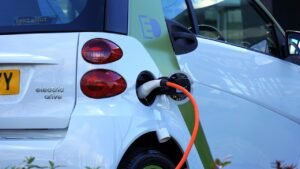
Charging systems are a critical component of electric vehicle technology, and advancements in this area have been significant in recent years. Fast charging systems, wireless charging systems, and smart charging systems are just a few examples of the innovative solutions being developed. These advancements have made it possible for electric vehicles to charge quickly and efficiently, reducing range anxiety and making them more convenient for daily use.
- Advantages:
- Faster charging speeds
- Increased convenience
- Improved user experience
- Current Limitations:
- Limited charging infrastructure
- High costs associated with installation
- Technical challenges with wireless charging
Electric Vehicle TypeRange (miles)Charging Time (hours)Price (USD)Top Speed (mph)Tesla Model S3731079,990155Chevrolet Bolt2599.536,50093Nissan Leaf147829,99098
Benefits Of Electric Vehicles
✔ Environmental Benefits
Electric vehicles produce zero tailpipe emissions, reducing greenhouse gas emissions and air pollution in urban areas. This makes them an attractive option for environmentally conscious consumers.
✔ Lower Operating Costs
Electric vehicles are generally cheaper to run, with lower fuel costs and reduced maintenance needs. This can result in significant savings for drivers over time.
✔ Improved Performance
Electric vehicles tend to have excellent acceleration and a smooth, quiet ride, making them a pleasure to drive. They also require less maintenance than traditional vehicles, with fewer moving parts and no oil changes needed.
✔ Government Incentives
Many governments offer incentives for buying electric vehicles, such as tax credits, rebates, and exemptions from certain fees. These incentives can help offset the higher upfront costs of electric vehicles.
✔ Access To HOV Lanes
In some states, electric vehicles are allowed to use high-occupancy vehicle (HOV) lanes, even if there is only one person in the vehicle. This can save drivers time and reduce stress during their daily commute.
Future Outlook
- Predicted growth in electric vehicle sales, with over 50% of new car sales expected to be electric by 2040
- Increased investment in charging infrastructure, with a focus on fast charging systems and wireless charging
- Advances in battery technology, including solid-state batteries and lithium-air batteries
- Growing demand for electric vehicles in emerging markets, driven by government incentives and decreasing costs
- Expansion of electric vehicle options, including electric trucks, buses, and motorcycles
- Development of autonomous electric vehicles, with potential applications in ride-sharing and public transportation
Conclusion
Electric vehicles are transforming the automotive industry with their eco-friendly and cost-effective solutions. As technology continues to evolve and improve, electric vehicles are expected to become increasingly popular, with significant benefits for the environment, consumers, and the economy. With their many advantages and growing demand, electric vehicles are an exciting and rapidly evolving field that is worth watching in the years to come.