Before the surge in awareness about climate change, discussions around emissions and their environmental impact were relatively rare. However, with the increasing focus on sustainability and reducing carbon footprints, the concept of zero emissions has gained significant attention. Just a decade ago, achieving zero emissions seemed like an insurmountable challenge, but today, it’s a goal that many countries, companies, and individuals are striving towards. The shift from skepticism to action underlines the evolving perception of what’s possible in the fight against climate change.
The path towards zero emissions is fraught with myths and misconceptions that can hinder progress. It’s essential to understand and debunk these myths to pave the way for effective strategies and technologies that can help achieve this critical goal. From the impact on economies to the feasibility of implementing zero-emission technologies on a large scale, clarity on these issues is crucial for moving forward.
As the world grapples with the challenges of climate change, separating fact from fiction regarding zero emissions is more important than ever. This process involves examining the current state of technology, economic systems, and societal behaviors to identify where change is needed and how it can be implemented effectively.
The potential for zero emissions to transform not just the environment but also the way societies function and economies grow is vast. However, realizing this potential requires a deep understanding of what zero emissions entail and the obstacles that must be overcome.
What Is Zero Emissions?
Zero emissions refer to the state where no greenhouse gas emissions are released into the atmosphere. This concept is often associated with efforts to combat climate change by reducing the carbon footprint of human activities to zero. Achieving zero emissions involves transitioning away from fossil fuels and towards renewable energy sources, enhancing energy efficiency, and in some cases, using carbon capture technology to absorb any emissions that are produced.
Top Zero Emissions Innovations to Know
1. Renewable Energy Technologies
Rapid advancements in renewable energy technologies, such as solar and wind power, have been instrumental in the push towards zero emissions. These technologies have become more efficient and cost-effective, making them viable alternatives to fossil fuels for both residential and industrial use.
- Plus Points:
- Renewable energy is sustainable and reduces reliance on finite resources.
- Technological advancements have improved efficiency and lowered costs.
- Renewable energy can create new job opportunities in the clean energy sector.
- Hurdles to Overcome:
- Intermittent energy supply can be a challenge without adequate storage solutions.
- High upfront costs for some renewable energy technologies.
- Land requirements for large-scale renewable energy projects can be significant.
2. Electric Vehicles
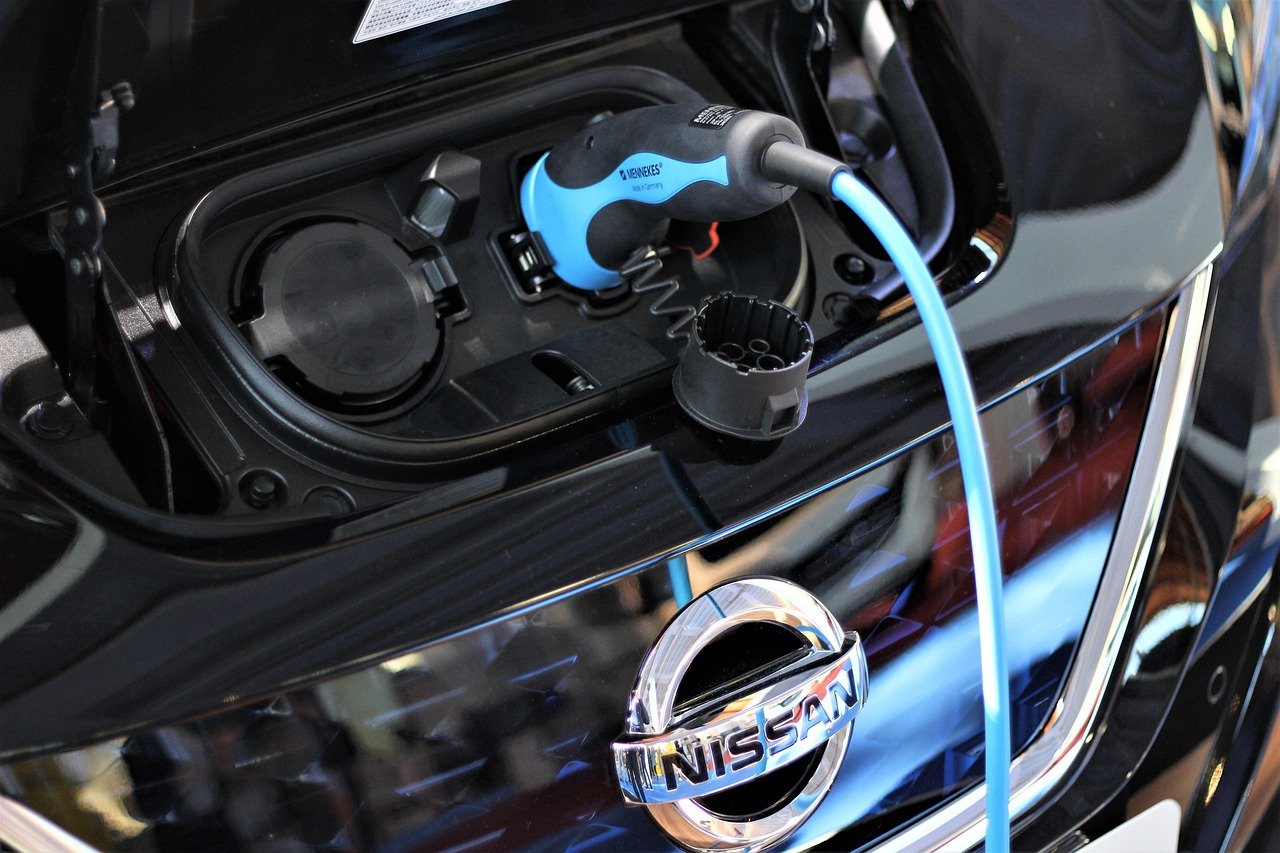
Electric vehicles (EVs) are another crucial innovation in the quest for zero emissions. By replacing traditional internal combustion engine vehicles, EVs can significantly reduce emissions from the transportation sector, which is one of the largest contributors to greenhouse gas emissions.
- Plus Points:
- Zero tailpipe emissions, reducing air pollution in urban areas.
- Lower operating costs due to the efficiency of electric motors.
- Government incentives in many countries to encourage the adoption of EVs.
- Hurdles to Overcome:
- Range anxiety and the need for more extensive charging infrastructure.
- The high upfront cost of EVs compared to traditional vehicles.
- Battery disposal and recycling challenges.
| Technology | Emissions Reduction | Cost-Effectiveness |
|---|---|---|
| Solar Energy | High | Improving |
| Wind Energy | High | Competitive |
| Electric Vehicles | Significant | Decreasing |
How This Affects Everyday Life
✔ Energy Efficiency
The transition to zero emissions will lead to more energy-efficient homes and workplaces, reducing energy consumption and lowering utility bills.
✔ Cleaner Transportation
The shift to electric vehicles will improve air quality in urban areas, contributing to better public health and quality of life.
✔ New Job Opportunities
The growth of the clean energy sector will create new job opportunities in fields related to renewable energy, energy efficiency, and sustainable technologies.
✔ Reduced Greenhouse Gas Emissions
Achieving zero emissions will significantly reduce greenhouse gas emissions, helping to mitigate the impacts of climate change.
✔ Increased Food Security
By reducing the environmental impact of agricultural practices, zero emissions can contribute to increased food security through more sustainable farming methods.
✔ Improved Water Quality
The reduction in industrial and agricultural pollution will lead to cleaner water sources, benefiting both human health and ecosystems.
The Road Ahead
- Increased investment in renewable energy technologies to improve efficiency and reduce costs.
- Expansion of electric vehicle charging infrastructure to support widespread adoption.
- Development of more efficient carbon capture technologies to deal with residual emissions.
- Implementation of policies and regulations to encourage the transition to a zero-emission economy.
- Enhanced international cooperation to share technologies and best practices in achieving zero emissions.
- Continued research into new sustainable technologies and practices to further reduce emissions.
The Bottom Line
Achieving zero emissions is a complex challenge that requires a multifaceted approach, involving technological innovation, policy changes, and shifts in societal behaviors. Despite the hurdles, the potential benefits of a zero-emission world, from mitigating climate change to improving public health, make the pursuit of this goal not just necessary but urgent. As technologies continue to evolve and societies become more aware of the need for sustainability, the path to zero emissions will become clearer, paving the way for a more sustainable future.