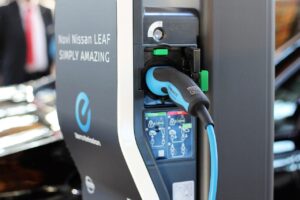
Electric vehicles have become increasingly popular, and with this rise, the demand for efficient charging solutions has also grown. One of the most significant challenges faced by electric vehicle owners is the need for faster and more reliable charging options. Level 2 chargers have emerged as a solution to this problem, offering faster charging speeds than the standard Level 1 chargers. However, the installation process for these chargers can be complex and requires careful planning.
What Does Level 2 Charger Mean?
A Level 2 charger, also known as a 240-volt charger, is an electric vehicle charging station that uses a 240-volt electrical supply to charge vehicles. This type of charger is capable of delivering up to 19.2 kilowatts of power, making it significantly faster than Level 1 chargers, which use a standard 120-volt household outlet. Level 2 chargers are ideal for homeowners who need to charge their vehicles regularly and want to minimize charging time.
Core Level 2 Approaches
1. Hardwired Installation
Hardwired installation involves directly connecting the Level 2 charger to the home’s electrical panel. This approach is more permanent and requires professional installation. It is also more expensive than plug-in installations but provides a more reliable and efficient charging experience.
- Key Benefits:
- Faster charging speeds
- More reliable connection
- Reduced risk of electrical shock
- Drawbacks:
- More expensive installation
- Requires professional installation
- Less flexible than plug-in installations
2. Plug-in Installation
Plug-in installation involves using a 240-volt plug to connect the Level 2 charger to a dedicated electrical outlet. This approach is less permanent and can be installed by homeowners themselves. However, it may not be as efficient as hardwired installations and requires a dedicated outlet.
- Key Benefits:
- Easier installation
- Less expensive than hardwired installations
- More flexible than hardwired installations
- Drawbacks:
- May not be as efficient as hardwired installations
- Requires a dedicated outlet
- May have a higher risk of electrical shock
| Charger Type | Charging Speed | Installation Cost |
|---|---|---|
| Level 1 | 2-5 miles per hour | $0 – $300 |
| Level 2 (Hardwired) | 10-20 miles per hour | $500 – $1,500 |
| Level 2 (Plug-in) | 10-20 miles per hour | $300 – $1,000 |
Practical Takeaways
✔ Assess your electrical panel capacity
Before installing a Level 2 charger, it is essential to assess your electrical panel capacity to ensure it can handle the increased power demand.
✔ Choose the right charger
Selecting the right Level 2 charger for your needs is crucial. Consider factors such as charging speed, installation cost, and compatibility with your vehicle.
✔ Consider hiring a professional
If you are not experienced with electrical installations, it is recommended to hire a professional to ensure a safe and efficient installation.
✔ Check local regulations and incentives
Check with your local government to see if there are any regulations or incentives for installing Level 2 chargers.
✔ Plan for future upgrades
Consider planning for future upgrades, such as installing a higher-powered charger or adding multiple charging stations.
Emerging Directions
- Increased adoption of smart charging technologies
- Growing demand for high-powered charging stations
- Development of more efficient and compact charger designs
- Expansion of charging infrastructure in public spaces
- Integration of renewable energy sources with charging stations
- Improved charging speed and efficiency through advanced technologies
Key Takeaways
Level 2 chargers offer a faster and more reliable charging experience for electric vehicle owners. By understanding the core approaches and practical takeaways, homeowners can make informed decisions about their charging needs. As the demand for electric vehicles continues to grow, the development of more efficient and convenient charging solutions will play a crucial role in supporting this growth.