Are wireless charging pads the future of device powering? Is this technology set to replace traditional charging cables entirely? As the world becomes increasingly dependent on mobile devices, the need for efficient and convenient charging solutions has never been more pressing.
With the rapid advancement of technology, wireless charging has become a staple in many modern devices, from smartphones to watches. But what exactly is wireless charging, and how does it work? The answer lies in the ability of devices to transfer power without the need for a physical connection.
This shift towards wireless charging is not just about convenience; it’s also about safety and efficiency. As devices become more sophisticated, the demand for reliable and fast charging methods has grown significantly. Wireless charging is poised to meet this demand, offering a seamless and efficient way to power devices on the go.
Defining Wireless Charging
Wireless charging, also known as inductive charging, is a method of transferring electrical energy from a power source to a device without the use of cables or wires. This technology relies on the principle of electromagnetic induction, where a coil in the charging base induces an electromotive force in a coil in the device, thereby charging its battery.
Leading Wireless Charging Solutions
1. Qi Charging
Qi (pronounced ‘chee’) is one of the most widely used wireless charging standards. Developed by the Wireless Power Consortium, Qi charging offers a universal standard for wireless charging, ensuring compatibility across different devices and chargers.
- Plus Points:
- Universal compatibility across different devices
- Efficient and fast charging
- Convenient and easy to use
- Challenges:
- Heat generation during charging
- Dependence on coil alignment for optimal charging
2. AirFuel Charging
AirFuel is another wireless charging technology that offers both inductive and resonant charging capabilities. This technology promises faster charging speeds and greater flexibility in terms of coil design and placement.
- Plus Points:
- Faster charging speeds compared to Qi
- Greater flexibility in coil design
- Potential for longer-distance charging
- Challenges:
- Limited adoption and compatibility compared to Qi
- Higher cost of implementation
| Charging Standard | Charging Speed | Compatibility |
|---|---|---|
| Qi | Up to 15W | Wide range of devices |
| AirFuel | Up to 100W | Limited compared to Qi |
Why People Are Paying Attention
✔ Convenience
Wireless charging eliminates the need for cables, making it a convenient option for those always on the go. It reduces clutter and minimizes the risk of damaged charging ports.
✔ Efficiency
Modern wireless charging solutions offer efficient charging speeds, comparable to traditional wired charging methods, ensuring devices are powered up quickly and reliably.
✔ Safety
By reducing the reliance on cables, wireless charging minimizes the risk of electrical shock and fire hazards associated with damaged or improperly used charging cables.
✔ Compatibility
With universal standards like Qi, wireless charging offers broad compatibility across different devices, making it a versatile option for users with multiple devices.
✔ Innovation
The continuous advancement in wireless charging technology promises future innovations, such as longer-distance charging and faster charging speeds, which will further enhance user experience.
Where This Is Headed
- Integration of wireless charging into more devices, including laptops and tablets
- Development of wireless charging furniture and public spaces
- Advancements in technology to allow for charging over longer distances
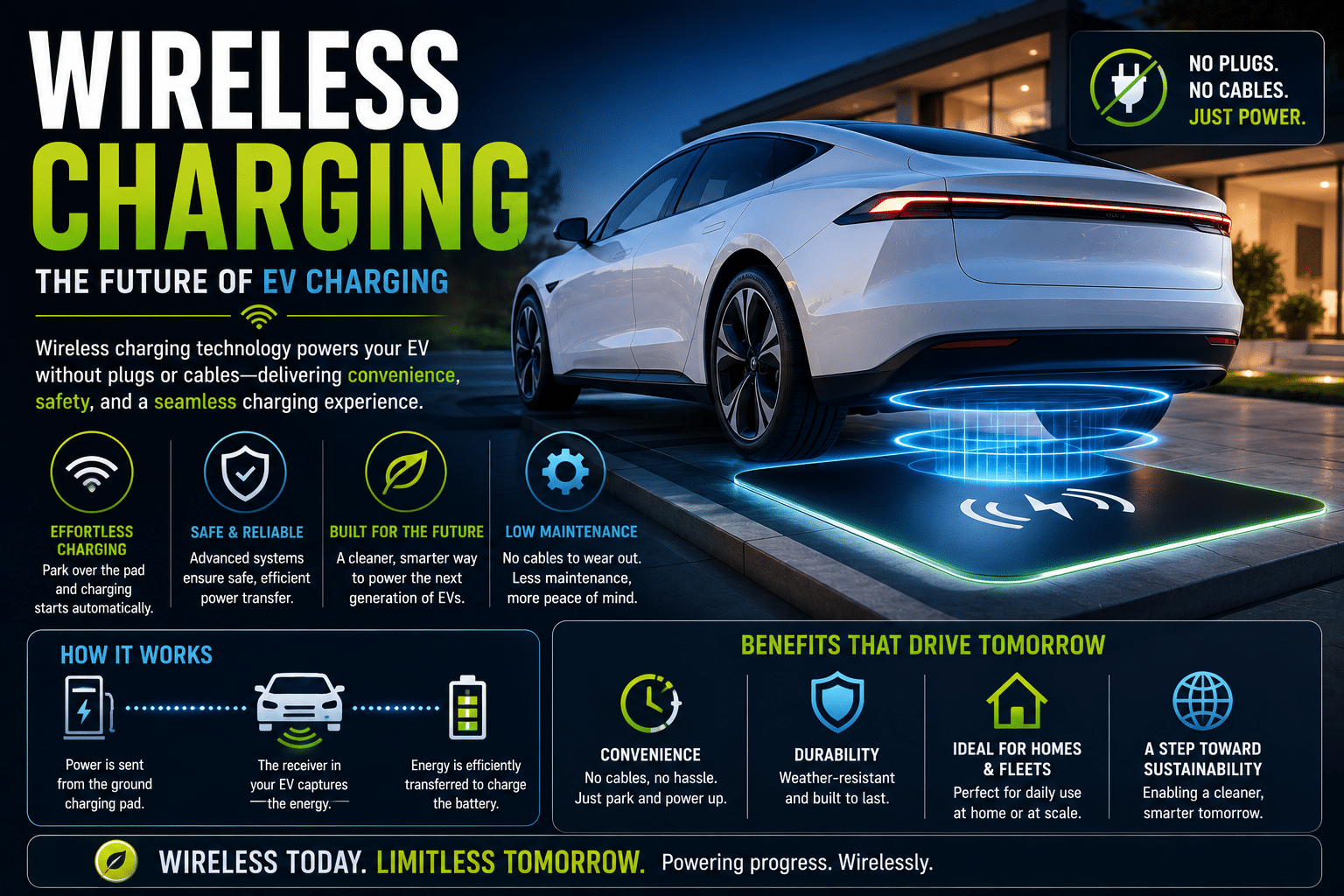
- Increase in adoption of wireless charging in automotive applications
- Further standardization to ensure interoperability across different devices and chargers
- Enhanced focus on safety and efficiency to meet growing consumer demands
The Big Picture
Wireless charging is not just a feature; it’s a fundamental shift in how devices are powered. As technology continues to advance, wireless charging is poised to become an integral part of daily life, offering convenience, efficiency, and safety. The future of wireless charging holds much promise, with potential applications extending beyond personal devices to larger-scale implementations.
With its growing popularity and the continuous push for innovation, wireless charging is set to play a significant role in shaping the technology landscape of the future. Its impact will be felt across various sectors, from consumer electronics to automotive, contributing to a more connected and efficient world.