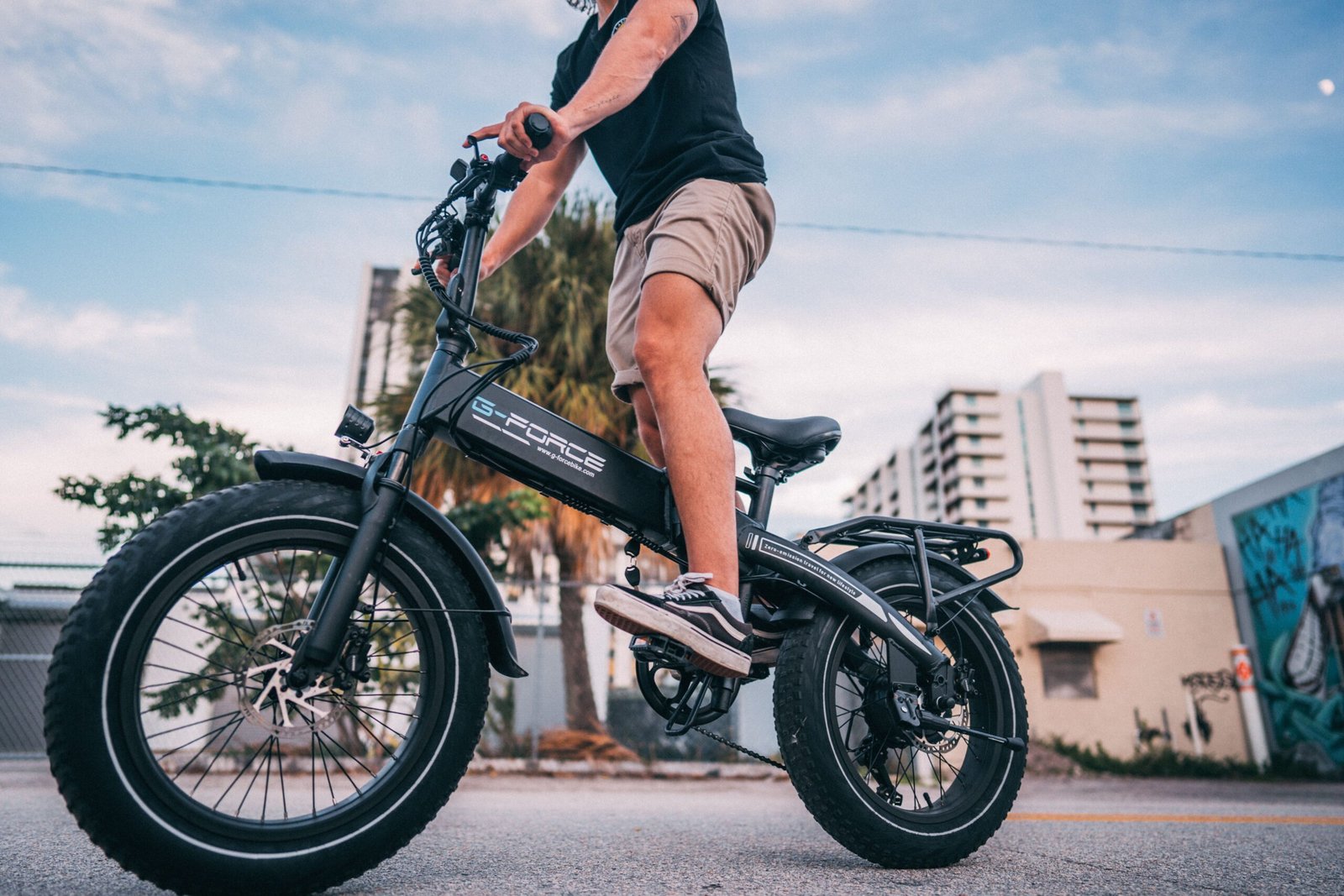
Pedal assist systems have been gaining attention lately due to their ability to enhance the cycling experience by providing an additional boost of power when needed. This technology has become particularly popular among commuters and recreational cyclists who seek to make their rides more efficient and enjoyable. However, like any technology, its effectiveness can be hindered by common mistakes that users may not be aware of. It is essential to understand these mistakes to ensure the pedal assist system functions as intended, providing both safety and performance benefits.
What Is Pedal Assist?
Pedal assist is a feature found in some electric bicycles and cycling systems that provides an additional boost of power to assist the rider’s pedaling. This assistance is usually provided through an electric motor that is activated when the rider starts pedaling. The level of assistance can often be adjusted, allowing riders to customize their experience based on their needs and preferences. The primary goal of pedal assist is to make cycling easier and more accessible, especially for those who may struggle with traditional cycling due to physical limitations or challenging terrains.
Leading Pedal Assist Solutions
1. Cadence Sensors
Cadence sensors are components of pedal assist systems that measure the rider’s pedaling speed. This information is crucial as it helps the system determine when and how much assistance to provide. For accurate functionality, it’s essential that these sensors are properly installed and calibrated.
- Key Benefits:
- Enhanced riding experience through tailored assistance
- Improved efficiency by matching power output to rider input
- Promotes a smoother ride by reducing the abruptness of assistance
- Hurdles to Overcome:
- Potential for sensor malfunction if not properly maintained
- Requires precise calibration for optimal performance
2. Torque Sensors
Torque sensors measure the force applied to the pedals, providing the system with data on how hard the rider is pedaling. This allows for more precise assistance, as the system can adjust its power output based on the rider’s effort.
- Key Benefits:
- More intuitive riding experience as assistance is directly tied to rider effort
- Enhanced safety by reducing the risk of over-assistance
- Can help extend battery life by optimizing power usage
- Hurdles to Overcome:
- Generally more expensive than cadence sensors
- May require more complex installation and calibration
| Sensor Type | Key Benefits | Challenges |
|---|---|---|
| Cadence Sensors | Tailored assistance, efficiency, smoother ride | Sensor malfunction, calibration requirements |
| Torque Sensors | Intuitive experience, enhanced safety, battery life extension | Higher cost, complex installation |
Practical Takeaways
✔ Proper Maintenance
Regularly checking and maintaining the pedal assist system, including sensors and the electric motor, is crucial for optimal performance and safety.
✔ Understanding Assistance Modes
Familiarizing oneself with the different levels of assistance and when to use them can significantly enhance the riding experience and extend the lifespan of the system.
✔ Calibration Importance
Ensuring that sensors are properly calibrated is vital for the system to provide assistance that is tailored to the rider’s needs, thereby optimizing the cycling experience.
✔ Safety Precautions
Always wearing appropriate safety gear and being mindful of road conditions can mitigate risks associated with cycling, especially when using pedal assist systems.
✔ Battery Care
Following the manufacturer’s guidelines for charging and maintaining the battery can help prolong its lifespan and ensure consistent performance of the pedal assist system.
What Researchers Are Working On
- Developing more advanced sensors that can better detect rider intent and adjust assistance accordingly
- Improving the efficiency of electric motors to extend battery life and reduce the overall weight of pedal assist systems
- Creating more intuitive user interfaces for easier mode selection and system customization
- Enhancing safety features, such as automatic emergency braking and collision detection
- Exploring the integration of pedal assist technology with other cycling innovations, like smart gears and advanced materials
- Conducting studies on the long-term health benefits of using pedal assist systems for commuting and recreational cycling
Wrapping Up
Pedal assist systems offer a promising way to make cycling more accessible and enjoyable for a wider range of people. By understanding common mistakes and how to avoid them, cyclists can optimize their riding experience and reap the full benefits of this technology. As research continues to advance pedal assist systems, they are likely to become an even more integral part of the cycling world.