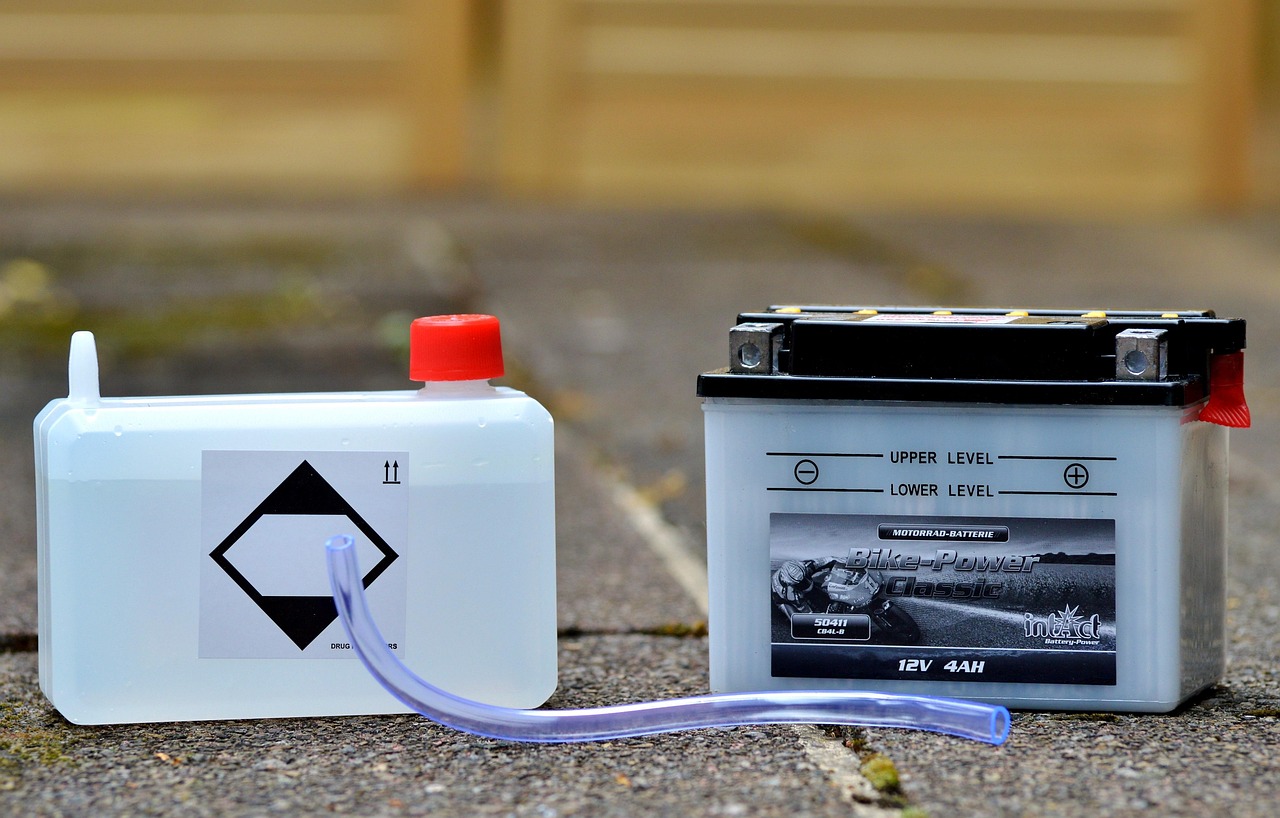
Most people have misconceptions about lithium-ion batteries, believing them to be highly volatile, short-lived, and environmentally hazardous. However, these beliefs are often based on outdated information or a lack of understanding about how these batteries work. Lithium-ion batteries are a crucial component in many modern devices, from smartphones to electric vehicles. Despite their widespread use, there are many myths surrounding their safety, efficiency, and environmental impact.
Defining Lithium-ion Batteries
Lithium-ion batteries are a type of rechargeable battery that uses lithium ions to store energy. They have a high energy density, meaning they can store a lot of energy relative to their size, and they have a long cycle life, meaning they can be charged and discharged many times without losing their capacity. Lithium-ion batteries are commonly used in portable electronic devices, electric vehicles, and renewable energy systems.
Major Lithium-ion Developments
1. Safety Enhancements
One of the major developments in lithium-ion battery technology has been the enhancement of safety features. This includes the use of protective circuits to prevent overcharging and overheating, as well as the development of more stable battery chemistries.
- What You Gain:
- Improved safety features reduce the risk of battery fires and explosions
- Enhanced protective circuits prevent overcharging and overheating
- More stable battery chemistries reduce the risk of thermal runaway
- Drawbacks:
- Additional safety features can increase the cost of the battery
- More complex battery management systems can be prone to errors
2. Energy Density Improvements
Another significant development in lithium-ion battery technology has been the improvement of energy density. This has been achieved through the use of new materials and the optimization of battery design.
- What You Gain:
- Higher energy density means more energy can be stored in a smaller space
- Improved battery life means devices can run for longer on a single charge
- Increased efficiency means less energy is lost as heat
- Drawbacks:
- Higher energy density can increase the risk of overheating
- New materials can be more expensive and difficult to source
| Battery Chemistry | Energy Density | Cycle Life |
|---|---|---|
| Lithium Cobalt Oxide (LCO) | 100-150 Wh/kg | 500-1000 cycles |
| Lithium Manganese Oxide (LMO) | 100-150 Wh/kg | 500-1000 cycles |
| Lithium Nickel Manganese Cobalt Oxide (NMC) | 150-200 Wh/kg | 1000-2000 cycles |
Practical Takeaways
✔ Proper Maintenance
Regularly updating battery management software and avoiding extreme temperatures can help extend the life of lithium-ion batteries.
✔ Safe Charging Practices
Avoiding overcharging and using high-quality charging cables can reduce the risk of battery fires and explosions.
✔ Environmental Considerations
Recycling lithium-ion batteries and reducing electronic waste can help minimize the environmental impact of these batteries.
✔ Energy Efficiency
Optimizing device settings and using power-saving features can help reduce energy consumption and extend battery life.
✔ Battery Selection
Choosing the right battery for a specific application can help ensure optimal performance and safety.
Emerging Directions
- Solid-state batteries are being developed to replace the liquid electrolyte in traditional lithium-ion batteries, enhancing safety and energy density.
- Advanced battery management systems are being designed to optimize battery performance and extend lifespan.
- Lithium-ion batteries are being integrated into renewable energy systems to provide efficient and reliable energy storage.
- New materials and chemistries are being researched to improve the sustainability and recyclability of lithium-ion batteries.
- Electric vehicles are becoming increasingly popular, driving demand for high-performance lithium-ion batteries.
- Portable electronics are being designed with more efficient power management systems to minimize battery drain and extend device lifespan.
The Bottom Line
Lithium-ion batteries are a crucial component in many modern devices, and understanding their capabilities and limitations is essential for their effective use. By debunking common myths and misconceptions, users can optimize battery performance, safety, and lifespan. As technology continues to evolve, lithium-ion batteries will play an increasingly important role in shaping the future of energy storage and portable electronics.