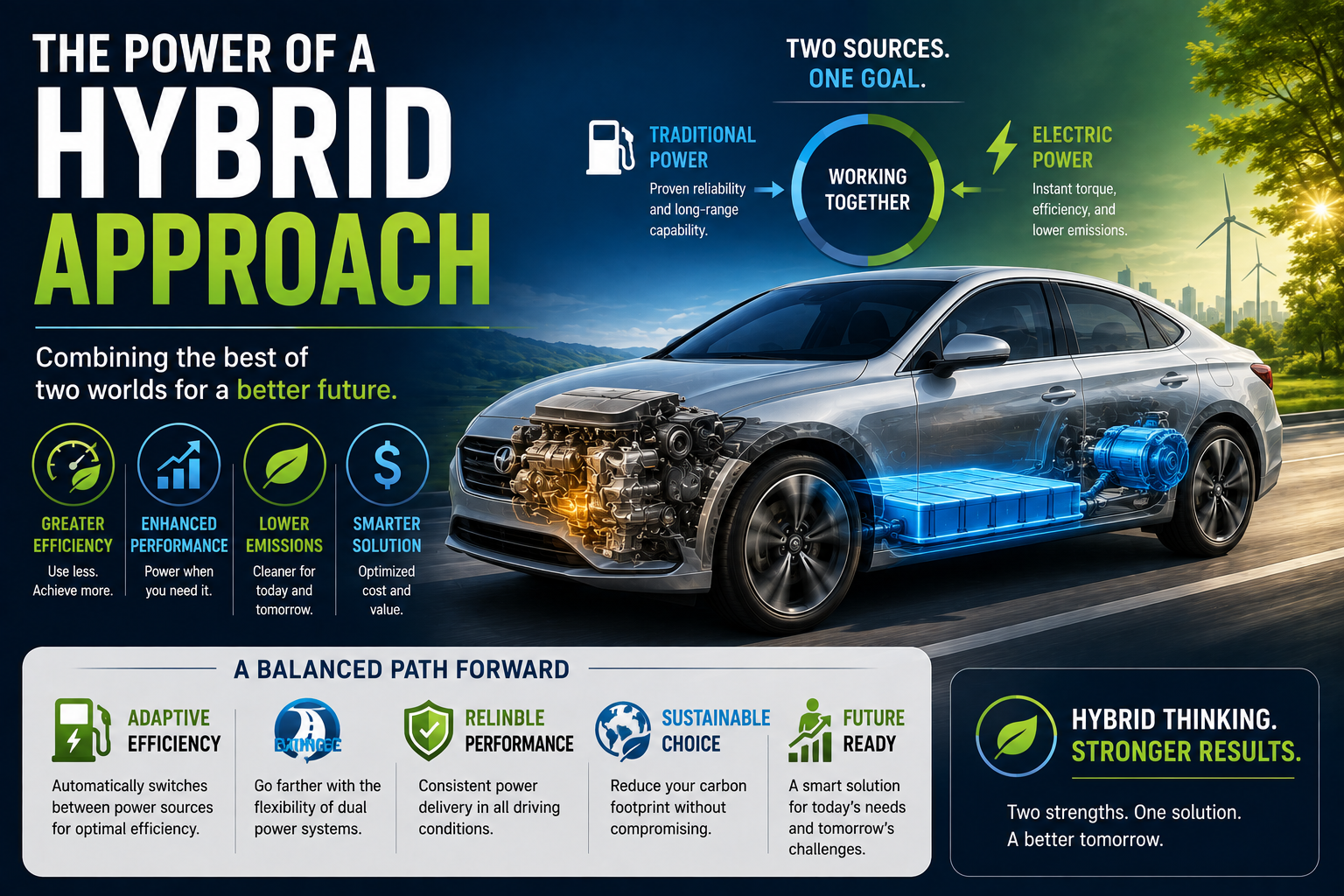
Approximately 70% of organizations have adopted a hybrid approach to their operations, combining traditional and modern methods to improve efficiency. This statistic highlights the growing trend towards hybrid models in various sectors. The term ‘hybrid’ has become synonymous with adaptability and flexibility. As technology continues to advance, the need for hybrid approaches has become more pressing.
What Does Hybrid Mean?
A hybrid approach refers to the combination of two or more different methods, systems, or technologies to achieve a specific goal. This concept has been applied in various fields, including business, technology, and healthcare. The primary objective of a hybrid approach is to create a more efficient and effective system by leveraging the strengths of each individual component. By integrating different approaches, organizations can reduce costs, improve performance, and increase overall satisfaction.
Core Hybrid Approaches
1. Hybrid Cloud Computing
Hybrid cloud computing involves the use of both public and private cloud services to meet the computing needs of an organization. This approach allows companies to take advantage of the scalability and cost-effectiveness of public clouds while maintaining the security and control of private clouds.
- Advantages:
- Improved flexibility and scalability
- Enhanced security and control
- Reduced costs and increased efficiency
- What Needs Work:
- Complexity of management and integration
- Dependence on internet connectivity
- Potential security risks if not properly configured
2. Hybrid Vehicles
Hybrid vehicles use a combination of traditional gasoline engines and electric motors to improve fuel efficiency and reduce emissions. This approach has become increasingly popular in the automotive industry, with many manufacturers offering hybrid models.
- Advantages:
- Improved fuel efficiency and reduced emissions
- Lower operating costs and increased performance
- Government incentives and tax credits
- What Needs Work:
- Higher upfront costs compared to traditional vehicles
- Limited range and charging infrastructure
- Potential battery durability and replacement issues
| Hybrid Vehicle Type | Fuel Efficiency | Emissions Reduction |
|---|---|---|
| Full Hybrid | 30-40% | 20-30% |
| Mild Hybrid | 10-20% | 10-20% |
| Plug-in Hybrid | 50-60% | 40-50% |
Why People Are Paying Attention
People are paying attention to hybrid approaches due to the numerous benefits they offer. Some of the key reasons include:
✔ Improved Efficiency
Hybrid approaches can help organizations streamline their operations, reduce waste, and improve overall efficiency. This, in turn, can lead to cost savings and increased productivity.
✔ Enhanced Flexibility
Hybrid models offer the flexibility to adapt to changing circumstances, making them ideal for organizations operating in dynamic environments.
✔ Increased Sustainability
Hybrid approaches can help reduce environmental impact by decreasing energy consumption, emissions, and waste. This is particularly important for organizations seeking to improve their sustainability credentials.
✔ Better Performance
Hybrid approaches can improve performance by combining the strengths of different systems, technologies, or methods. This can lead to increased customer satisfaction, improved quality, and enhanced competitiveness.
✔ Cost Savings
Hybrid approaches can help organizations reduce costs by minimizing waste, improving efficiency, and optimizing resources. This can lead to increased profitability and competitiveness.
✔ Government Incentives
Many governments offer incentives and tax credits for organizations adopting hybrid approaches, particularly in the areas of renewable energy and sustainable technologies.
Where This Is Headed
The future of hybrid approaches looks promising, with ongoing advancements in technology and increasing demand for sustainable solutions. Some potential developments include:
- Increased adoption of hybrid cloud computing in the enterprise sector
- Growing demand for hybrid and electric vehicles in the automotive industry
- Greater investment in renewable energy and sustainable technologies
- Development of new hybrid materials and manufacturing processes
- Expansion of hybrid approaches in the healthcare and education sectors
- Improved integration of artificial intelligence and machine learning in hybrid systems
Worth Remembering
Hybrid approaches offer a flexible and efficient way to achieve specific goals by combining different methods, systems, or technologies. As technology continues to evolve, the importance of hybrid models will only continue to grow. By understanding the benefits and challenges of hybrid approaches, organizations can make informed decisions about their adoption and implementation.