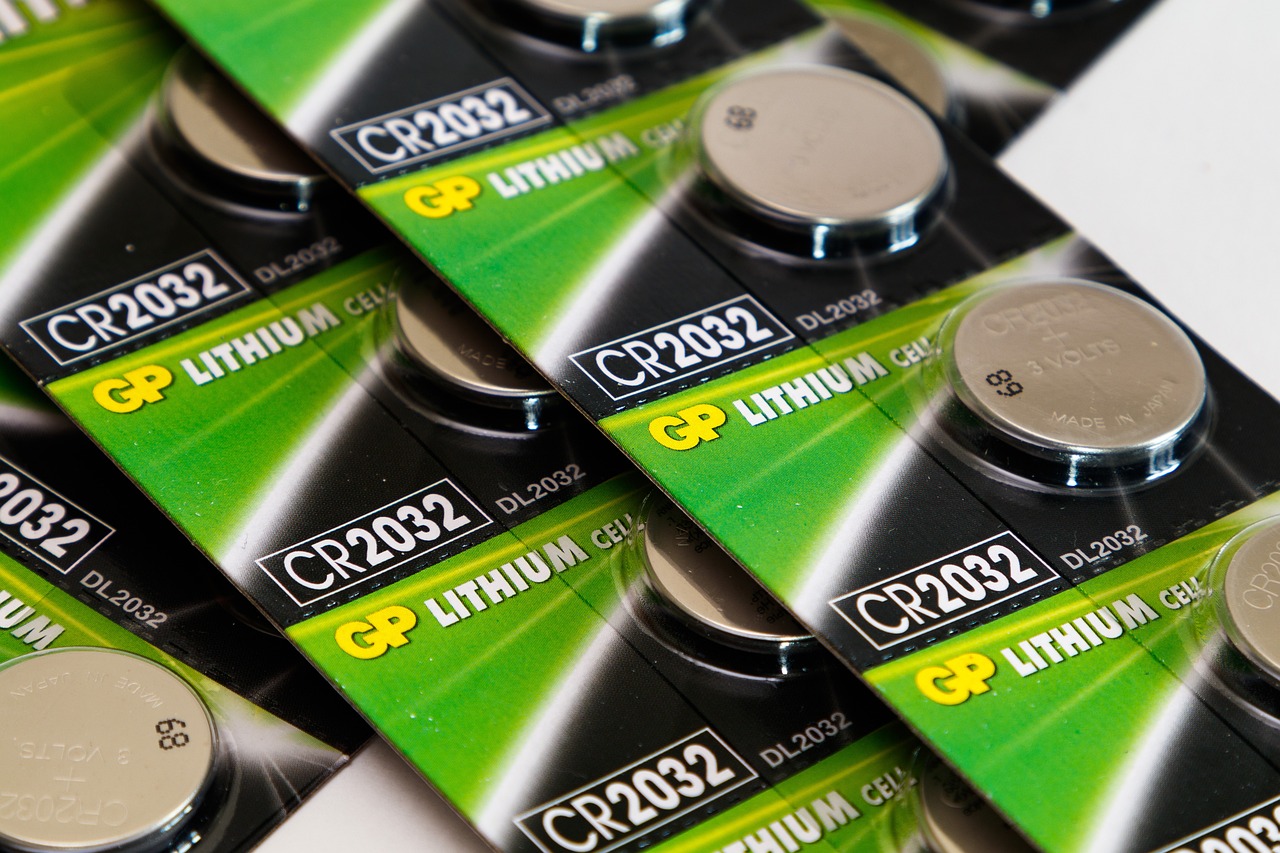
Lithium-ion batteries are often assumed to be nearing the pinnacle of their development, with many believing that their capabilities are almost fully realized. However, this assumption underestimates the ongoing efforts and advancements in the field. Lithium-ion technology is continually evolving, with new breakthroughs and innovations being achieved regularly. The efficiency, lifespan, and safety of these batteries are areas where significant improvements are still being made.
Breaking Down Lithium-ion Batteries
Lithium-ion batteries are a type of rechargeable battery that uses lithium ions to store energy. They operate through a process where lithium ions move between the anode and cathode, facilitated by an electrolyte, enabling the battery to charge and discharge. This process allows for high energy density, long cycle life, and relatively low self-discharge rates, making lithium-ion batteries ideal for a wide range of applications.
Latest Lithium-ion Technologies
1. Solid-State Batteries
Solid-state batteries are an emerging technology in the lithium-ion sector, aiming to replace the liquid electrolyte with a solid material. This change is expected to enhance safety, energy density, and charging speeds. The solid electrolyte can prevent the formation of dendrites, which are branches of metal that can cause short circuits and lead to battery fires.
- Why It Works:
- Improved safety due to the reduction in risk of thermal runaway and fires.
- Potential for higher energy density, allowing for smaller battery sizes or longer device operation times.
- Faster charging capabilities, as the solid electrolyte can facilitate quicker ion movement.
- Known Issues:
- Higher production costs compared to traditional lithium-ion batteries.
- Challenges in scaling up manufacturing while maintaining efficiency and reducing costs.
2. Lithium-Air Batteries
Lithium-air batteries, also known as lithium-oxygen batteries, have the potential to significantly increase energy density, possibly up to 10 times that of current lithium-ion batteries. They operate by reacting lithium with oxygen from the air to generate electricity, which could lead to much lighter batteries with longer lifespans.
- Why It Works:
- High theoretical energy density, which could extend the range of electric vehicles and the battery life of portable electronics.
- Potentially lower costs, as abundant oxygen from the air is used instead of a heavy metal oxide cathode.
- Known Issues:
- Difficulty in achieving efficient and reliable oxygen reduction and evolution reactions.
- Challenges in developing suitable electrolytes and protective layers to prevent degradation.
| Battery Type | Energy Density | Charging Speed | Safety |
|---|---|---|---|
| Traditional Lithium-ion | 100-265 Wh/kg | Fast charging available | Risk of thermal runaway |
| Solid-State | Potential for higher than 300 Wh/kg | Faster charging potential | Improved safety |
| Lithium-Air | Theoretical up to 3,460 Wh/kg | Charging speed varied by design | Dependent on design and materials |
How This Affects Everyday Life
✔ Increased Device Battery Life
Advancements in lithium-ion technology can lead to longer-lasting batteries for consumer electronics, reducing the need for frequent recharging and potentially extending the lifespan of devices.
✔ Enhanced Electric Vehicle Performance
Better battery technology can increase the range and efficiency of electric vehicles, making them more viable alternatives to traditional combustion engine vehicles and contributing to reduced emissions.
✔ Improved Renewable Energy Systems
More efficient and cost-effective energy storage solutions can facilitate the broader adoption of renewable energy sources, such as solar and wind power, by providing a reliable means to store excess energy generated during peak production times.
✔ Reduced Electronic Waste
Longer-lasting batteries could contribute to a reduction in electronic waste by extending the usable life of devices and potentially reducing the frequency of device replacements.
✔ Economic Benefits
The development and manufacturing of advanced lithium-ion batteries can create new job opportunities and stimulate economic growth in regions investing in these technologies.
✔ Environmental Benefits
By supporting the transition to electric vehicles and renewable energy systems, advanced lithium-ion batteries can play a critical role in reducing greenhouse gas emissions and contributing to a cleaner environment.
What Researchers Are Working On
- Developing new cathode materials with higher capacity and stability.
- Improving the efficiency and lifespan of solid-state batteries.
- Investigating alternative anode materials to enhance performance and reduce costs.
- Enhancing the safety features of lithium-ion batteries through advanced designs and materials.
- Scaling up the production of lithium-air batteries while addressing the challenges associated with their development.
- Exploring new electrolyte formulations that can operate efficiently across a wide range of temperatures.
To Sum Up
Lithium-ion battery technology is undergoing significant advancements, with solid-state batteries and lithium-air batteries offering promising improvements in energy density, safety, and charging speeds. These developments have the potential to transform the way devices are powered and contribute to a more sustainable energy future. As research continues, the efficiency, lifespan, and environmental impact of lithium-ion batteries are expected to improve, supporting a wide range of applications from consumer electronics to electric vehicles and renewable energy systems.