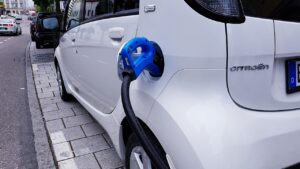
50 million electric vehicles are expected to be on the road by 2027, with the global market projected to reach $1.4 trillion by 2028. This significant growth is driven by government incentives, declining battery costs, and increasing consumer demand for eco-friendly transportation. As the world shifts towards sustainable energy sources, the electric vehicle industry is poised to play a major role in reducing greenhouse gas emissions. The average electric vehicle produces less than half the emissions of a traditional gas-powered car, making them an attractive option for environmentally conscious consumers.
Defining Electric Vehicles
Electric vehicles are defined as cars, trucks, or buses that are powered by electricity from a battery or other energy storage device. They can be powered by a variety of sources, including batteries, fuel cells, or even self-generating systems like solar panels or regenerative braking. Electric vehicles offer several benefits over traditional gas-powered cars, including reduced emissions, lower operating costs, and smoother, quieter ride. They also require less maintenance than traditional vehicles, as they have fewer moving parts and do not require oil changes.
Latest Electric Vehicle Technologies
1. Advanced Battery Systems
One of the most significant advancements in electric vehicle technology is the development of advanced battery systems. These new batteries offer improved range, efficiency, and charging times, making them more practical for everyday use. Some of the key features of advanced battery systems include increased energy density, improved thermal management, and enhanced safety features.
- Strengths:
- Improved range and efficiency
- Faster charging times
- Enhanced safety features
- Hurdles to Overcome:
- Higher upfront costs
- Limited charging infrastructure in some areas
- Potential for battery degradation over time
2. Autonomous Driving Systems
Another area of significant development in electric vehicle technology is the integration of autonomous driving systems. These systems use a combination of sensors, software, and hardware to enable vehicles to operate independently, without human input. Autonomous driving systems offer several benefits, including improved safety, increased mobility, and enhanced convenience.
- Strengths:
- Improved safety through reduced human error
- Increased mobility for elderly or disabled individuals
- Enhanced convenience through reduced driver fatigue
- Hurdles to Overcome:
- Technical challenges in developing reliable systems
- Regulatory hurdles in implementing autonomous vehicles on public roads
- Potential for cyber security threats
| Vehicle Model | Range (miles) | Charging Time (hours) | Price (USD) |
|---|---|---|---|
| Tesla Model 3 | 250-325 | 4-6 | 35,000-60,000 |
| Chevrolet Bolt | 259 | 4-6 | 36,000-44,000 |
| Nissan Leaf | 147-226 | 4-6 | 29,000-36,000 |
How This Affects Everyday Life
✔ Reduced Emissions
Electric vehicles produce zero tailpipe emissions, reducing air pollution and greenhouse gas emissions in urban areas. This can lead to improved public health and a reduced carbon footprint.
✔ Lower Operating Costs
Electric vehicles are generally cheaper to operate than traditional gas-powered cars, with lower fuel costs and reduced maintenance needs. This can lead to significant savings for drivers over time.
✔ Improved Air Quality
Electric vehicles can help improve air quality in urban areas by reducing particulate matter and other pollutants. This can lead to improved public health and a reduced risk of respiratory diseases.
✔ Increased Mobility
Electric vehicles can provide increased mobility for elderly or disabled individuals, who may have limited access to transportation options. This can lead to improved quality of life and increased independence.
✔ Enhanced Convenience
Electric vehicles can offer enhanced convenience through features like autonomous driving systems and advanced infotainment systems. This can lead to reduced driver fatigue and improved overall driving experience.
✔ Job Creation
The growth of the electric vehicle industry is expected to create new job opportunities in manufacturing, engineering, and other fields. This can lead to economic growth and development in local communities.
Where This Is Headed
- Increased investment in electric vehicle infrastructure, including charging stations and charging corridors
- Development of new battery technologies, including solid-state batteries and lithium-air batteries
- Integration of autonomous driving systems into electric vehicles, enabling increased safety and convenience
- Expansion of electric vehicle adoption into new markets, including commercial fleets and public transportation
- Development of new business models, including vehicle-to-grid services and car-sharing programs
- Increased focus on sustainability and environmental responsibility in the electric vehicle industry
To Sum Up
The electric vehicle market is poised for significant growth in the coming years, driven by advances in technology, increasing consumer demand, and government incentives. As the industry continues to evolve, it is likely that electric vehicles will become an increasingly important part of the global transportation landscape. With their potential to reduce emissions, improve air quality, and enhance convenience, electric vehicles are an attractive option for consumers and businesses alike.