Imagine driving an electric vehicle (EV) across the country without worrying about running out of charge. This scenario is becoming increasingly possible as electric vehicle infrastructure continues to expand. However, the development of this infrastructure is a complex process that involves multiple stakeholders and technological advancements. As the world shifts towards more sustainable transportation options, understanding the intricacies of EV infrastructure is crucial.
A Closer Look at EV Infrastructure
Electric vehicle infrastructure refers to the network of charging stations, grids, and other support systems necessary for the widespread adoption of electric vehicles. This includes fast-charging corridors along highways, public charging points in urban areas, and residential charging solutions. A well-developed EV infrastructure is essential for reducing range anxiety among potential EV owners and for encouraging the transition to electric mobility.
Core EV Infrastructure Approaches
1. Public Charging Networks
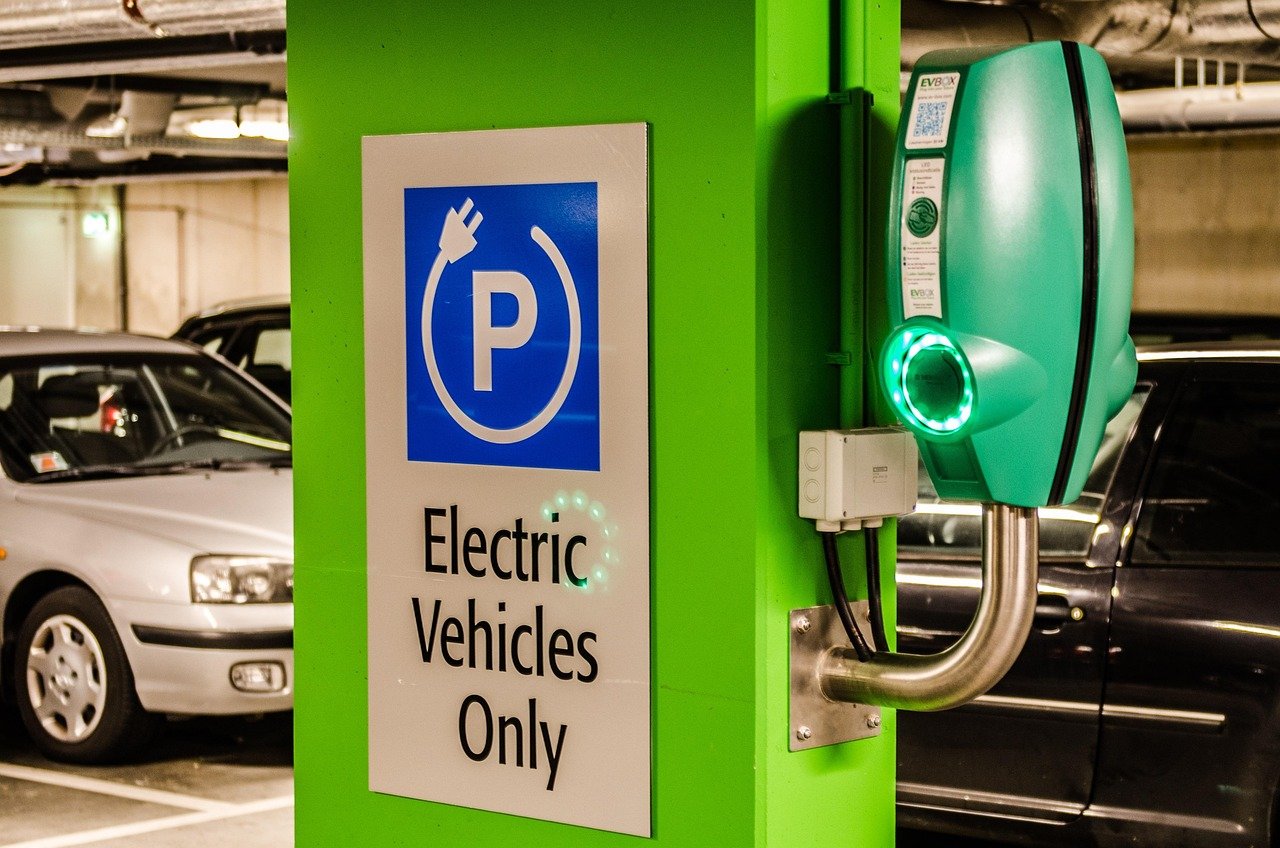
Public charging networks are one of the core components of EV infrastructure. These networks provide charging points in public areas such as shopping centers, parking lots, and along highways. The development of public charging networks is crucial for the convenience and practicality of EV ownership.
- What You Gain:
- Convenience of charging on the go
- Reduced range anxiety for long trips
- Increased visibility and awareness of EVs
- Known Issues:
- High upfront costs for installation
- Variability in charging speeds and technologies
- Potential for uneven distribution of charging points
2. Residential Charging Solutions
Residential charging solutions cater to the needs of EV owners who can charge their vehicles at home. This approach focuses on providing safe, efficient, and convenient charging options for homeowners, including wall-mounted chargers and smart charging systems.
- What You Gain:
- Convenience of charging at home
- Potential for lower charging costs
- Increased demand for residential EV chargers drives innovation
- Known Issues:
- Initial installation costs
- Potential impact on home electrical systems
- Need for standardization in residential chargers
| Charging Type | Charging Speed | Common Use Cases |
|---|---|---|
| Level 1 (120V) | 2-5 miles per hour | Residential overnight charging |
| Level 2 (240V) | 10-20 miles per hour | Public and residential charging |
| DC Fast Charging | 60-100 miles per 20 minutes | Highway and long-distance travel |
Why People Are Paying Attention
✔ Environmental Benefits
EV infrastructure supports the transition to electric vehicles, which produce zero tailpipe emissions, reducing air pollution in urban areas and contributing to a decrease in greenhouse gas emissions.
✔ Economic Growth
The development of EV infrastructure creates new job opportunities in the manufacturing, installation, and maintenance of charging equipment, as well as in the renewable energy sector.
✔ Energy Security
By promoting electric vehicles, countries can reduce their dependence on fossil fuels, enhancing energy security and mitigating the impact of price volatility in the global oil market.
✔ Technological Advancements
Investment in EV infrastructure drives innovation in charging technologies, battery efficiency, and smart grid systems, pushing the boundaries of what is possible in electric mobility.
✔ Consumer Demand
As more consumers consider purchasing electric vehicles, the demand for comprehensive and reliable EV infrastructure increases, driving further investment and development in the sector.
✔ Government Initiatives
Governments around the world are implementing policies and incentives to encourage the adoption of electric vehicles and the development of EV infrastructure, recognizing the potential for significant environmental and economic benefits.
What Researchers Are Working On
- Predictions for widespread adoption of fast-charging technologies by 2025
- Development of smart charging systems that optimize energy use and reduce strain on the grid
- Research into new battery technologies that could significantly extend the range of electric vehicles
- Studies on the impact of EV infrastructure on urban planning and development
- Investigations into the potential for vehicle-to-grid (V2G) technology to stabilize the electrical grid
- Analysis of the economic benefits of EV infrastructure development on local and national economies
Closing Thoughts
The development of electric vehicle infrastructure is a complex, multifaceted challenge that requires collaboration between governments, industries, and consumers. As the world continues to transition towards more sustainable transportation options, the importance of comprehensive and reliable EV infrastructure will only continue to grow. Understanding the current state and future directions of EV infrastructure is essential for navigating this transition successfully.
The future of electric mobility depends on the ability to provide charging solutions that are convenient, efficient, and accessible to all. With ongoing advancements in technology and increasing investment in EV infrastructure, the scenario of driving an electric vehicle across the country without range anxiety is becoming a reality.