Electric motors have revolutionized the way machines and devices operate, transforming from manual to automated systems. Before the invention of electric motors, most machines relied on manual labor or steam power, which were inefficient and limited in capacity. The introduction of electric motors changed this, enabling the widespread use of machinery in industries and households. Today, electric motors are a cornerstone of modern technology, powering everything from household appliances to industrial machinery.
The impact of electric motors on daily life has been profound, making tasks easier, faster, and more efficient. However, understanding how they work and how to properly use and maintain them is essential for maximizing their benefits. For beginners, learning about electric motors can seem daunting due to the technical terms and concepts involved. Nevertheless, grasping the basics can make a significant difference in their application and efficiency.
Whether it’s for a hobbyist looking to build a DIY project or an engineer designing industrial equipment, knowledge of electric motors is indispensable. This guide aims to provide a comprehensive overview of electric motors, including their types, applications, and maintenance tips, tailored for beginners.
Understanding Electric Motors
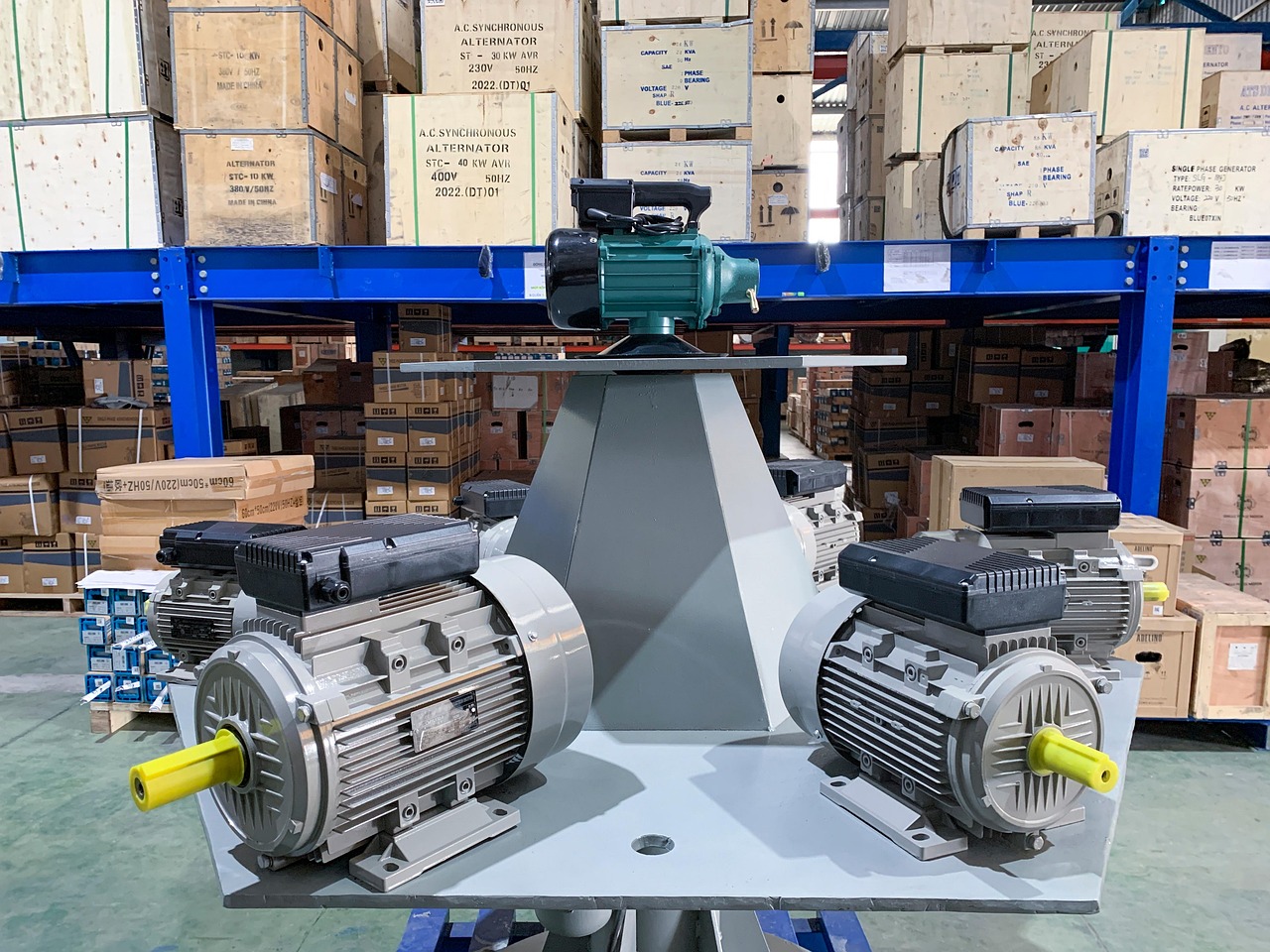
An electric motor is a device that converts electrical energy into mechanical energy. It works on the principle of electromagnetic induction, where an electric current generates a magnetic field that interacts with another magnetic field, producing torque. Electric motors are fundamental components in a wide range of devices, from simple toys to complex industrial machinery. They offer high efficiency, reliability, and flexibility, making them a preferred choice over traditional steam engines or internal combustion engines in many applications.
Major Electric Motor Developments
1. DC Motors
DC motors are one of the earliest types of electric motors and are still widely used today. They operate using direct current (DC), which is converted from alternating current (AC) using a rectifier. DC motors are known for their simplicity, reliability, and ease of control, making them suitable for applications such as robotics, automotive systems, and consumer electronics.
- Plus Points:
- High starting torque
- Easy speed control
- Low cost
- What Needs Work:
- Lower efficiency compared to AC motors
- Requires regular maintenance
2. AC Motors
AC motors use alternating current and are the most common type of electric motor. They are more efficient and reliable than DC motors and are used in a broad range of applications, from household appliances to industrial machinery. AC motors can be further divided into single-phase and three-phase motors, each suited for different applications based on power requirements and availability of supply.
- Plus Points:
- Higher efficiency
- Longer lifespan
- Less maintenance required
- What Needs Work:
- Complex speed control
- Higher upfront cost
| Motor Type | Efficiency | Cost | Maintenance |
|---|---|---|---|
| DC Motor | Medium | Low | High |
| AC Motor | High | Medium to High | Low |
How This Affects Everyday Life
✔ Convenience:
Electric motors power most household appliances, making tasks easier and faster, thus enhancing the quality of life.
✔ Efficiency:
They offer high efficiency in converting electrical energy into mechanical energy, reducing energy waste and lowering utility bills.
✔ Versatility:
Electric motors are used in a wide range of applications, from simple tools to complex machinery, making them indispensable in both domestic and industrial settings.
✔ Reliability:
They provide reliable performance, requiring less maintenance compared to traditional engines, thus reducing downtime and increasing productivity.
✔ Environmental Impact:
Electric motors produce no emissions, contributing to a cleaner environment and supporting sustainable development, especially when powered by renewable energy sources.
✔ Cost-Effectiveness:
Despite a potentially higher initial cost, electric motors can be more cost-effective in the long run due to their efficiency and lower maintenance requirements.
Where This Is Headed
- Advancements in materials and technology are expected to further improve the efficiency and durability of electric motors.
- The integration of electric motors with renewable energy sources will play a crucial role in reducing carbon emissions and achieving sustainability goals.
- Increased adoption of electric vehicles will drive the demand for high-performance electric motors, spurring innovation in the sector.
- Smart technologies and the Internet of Things (IoT) will enable real-time monitoring and control of electric motors, enhancing their operation and maintenance.
- Research into new types of electric motors, such as those using exotic materials or novel designs, could lead to breakthroughs in efficiency and capability.
- Global initiatives to improve energy efficiency and reduce greenhouse gas emissions will continue to drive the development and use of electric motors in various industries.
The Bottom Line
Electric motors are a fundamental component of modern technology, offering efficiency, reliability, and flexibility. Understanding their basics and staying updated on their developments can significantly impact their application and efficiency. As technology continues to evolve, the role of electric motors will only continue to grow, shaping the future of industries and everyday life.
The future of electric motors is promising, with ongoing research and development aimed at improving their performance, efficiency, and sustainability. As the world moves towards a more energy-efficient and environmentally conscious future, the importance of electric motors will only continue to increase.
To wrap up, electric motors are not just a component of machines but a cornerstone of modern life, and their impact will be felt for generations to come.