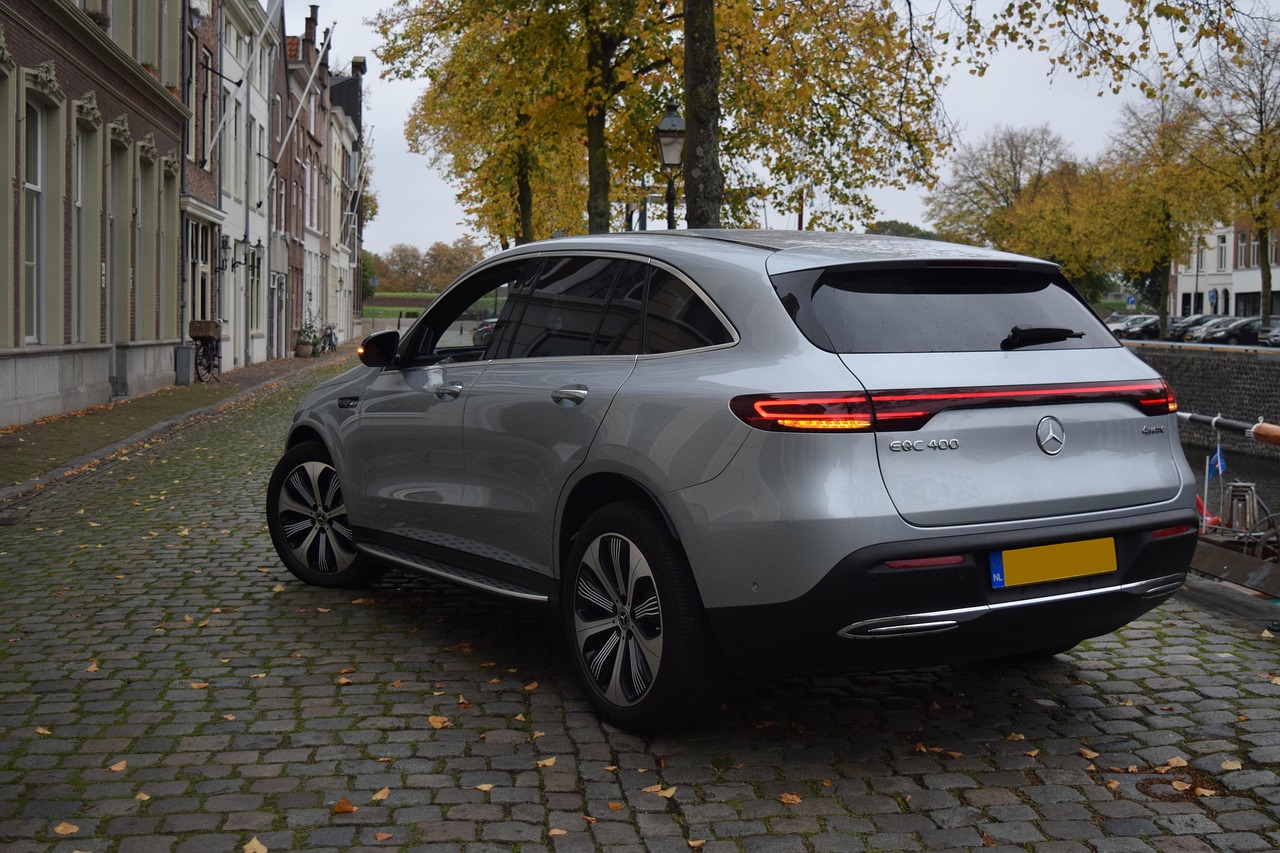
The world of transportation has witnessed a significant shift in recent years, with the electric vehicle (EV) emerging as a viable alternative to traditional gasoline-powered cars. Just a decade ago, EVs were considered a novelty, with limited range and high prices. However, today, they are becoming increasingly popular, with many manufacturers investing heavily in EV technology. The transformation has been remarkable, with EVs now offering impressive range, performance, and affordability.
A Closer Look at Electric Vehicles
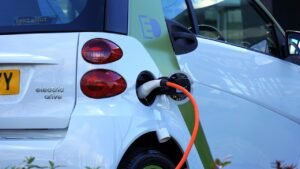
An electric vehicle is a type of automobile that uses one or more electric motors or traction motors for propulsion. EVs are powered by a battery, which can be charged from an external source, such as a wall socket or a charging station. The concept of EVs dates back to the 19th century, but it wasn’t until the late 20th century that they began to gain popularity. Today, EVs are available in a wide range of models, from compact cars to luxury sedans and even trucks.
Latest Electric Vehicle Technologies
1. Battery Technology
Battery technology has been a crucial factor in the development of EVs. Advances in battery technology have enabled EVs to achieve longer ranges, faster charging times, and lower costs. Some of the latest battery technologies include lithium-ion batteries, solid-state batteries, and sodium-ion batteries.
- Strengths:
- Improved energy density
- Faster charging times
- Lower costs
- What Needs Work:
- Limited supply of raw materials
- High production costs
- Recycling and disposal challenges
2. Charging Infrastructure
Charging infrastructure has been expanding rapidly in recent years, with the installation of public charging stations and the development of fast-charging technologies. Some of the latest charging technologies include DC Fast Charging, Level 2 Charging, and Wireless Charging.
- Strengths:
- Convenient and accessible
- Faster charging times
- Increased range confidence
- What Needs Work:
- High installation costs
- Limited standardization
- Dependence on grid capacity
| Battery Type | Energy Density | Charging Time | Cost |
|---|---|---|---|
| Lithium-ion | 120 Wh/kg | 30 minutes | $100/kWh |
| Solid-state | 150 Wh/kg | 15 minutes | $150/kWh |
| Sodium-ion | 100 Wh/kg | 45 minutes | $80/kWh |
Why People Are Paying Attention
Electric vehicles have been gaining popularity in recent years, and for good reason. Some of the benefits of EVs include:
✔ Environmental Benefits
EVs produce zero tailpipe emissions, reducing greenhouse gas emissions and air pollution in urban areas.
✔ Lower Operating Costs
EVs are generally cheaper to run, with lower fuel costs and reduced maintenance needs.
✔ Improved Performance
EVs offer instant torque and smooth acceleration, providing a superior driving experience.
✔ Government Incentives
Many governments offer incentives, such as tax credits and rebates, to encourage the adoption of EVs.
✔ Increased Range Confidence
Advances in battery technology and charging infrastructure have improved range confidence, making EVs a viable option for long-distance driving.
How This Will Evolve
- Predictions suggest that EVs will become increasingly affordable, with prices potentially dropping below $20,000 by 2025.
- The development of solid-state batteries is expected to improve range and charging times, making EVs even more competitive with gasoline-powered cars.
- Charging infrastructure is expected to expand rapidly, with the installation of public charging stations and the development of fast-charging technologies.
- Autonomous driving technology is being integrated into EVs, enhancing safety and convenience.
- The use of recycled materials in EV production is expected to increase, reducing waste and minimizing environmental impact.
- Government regulations and incentives are expected to continue driving the adoption of EVs, with many countries setting targets for EV sales and emissions reductions.
Wrapping Up
The electric vehicle has come a long way since its inception, and its evolution is expected to continue in the coming years. With advances in technology, expanding charging infrastructure, and increasing affordability, EVs are poised to become a dominant force in the transportation industry. As the world continues to shift towards sustainable and environmentally friendly transportation options, the future of electric vehicles looks bright.