80% of electric vehicle (EV) owners charge their vehicles at home, with Level 2 chargers being the most common method. This high rate of adoption is due to the significant reduction in charging time compared to Level 1 chargers. To understand the implications and benefits of using Level 2 chargers, it’s essential to debunk common myths surrounding their use.
Level 2 chargers operate at 240 volts, making them much faster than the standard Level 1 chargers that use a 120-volt household outlet. The increased voltage reduces charging time, making them a practical choice for daily use. However, several misconceptions about their cost, installation, and compatibility need to be addressed.
The market for Level 2 chargers is growing, driven by government incentives and the expanding EV market. As more people turn to electric vehicles for their environmental benefits and lower operating costs, the demand for efficient and convenient charging solutions increases. Clarifying the myths and understanding the facts about Level 2 chargers can help potential buyers make informed decisions.
Defining Level 2 Chargers
A Level 2 charger is an electric vehicle charging station that uses a 240-volt electrical supply. It is designed to charge electric vehicles faster than a standard Level 1 charger, which uses a 120-volt supply. Level 2 chargers are commonly used for home charging due to their faster charging times and are also found in many public charging stations. They are a crucial part of the EV charging infrastructure, providing a balance between charging speed and cost.
Level 2 Charger Methods Worth Knowing
1. Home Installation
Installing a Level 2 charger at home is one of the most convenient ways to charge an electric vehicle. This method allows for faster charging than a Level 1 charger and can be installed in a garage or outside, depending on the electrical supply and personal preference. Home installation requires a 240-volt electrical supply and may necessitate the services of a licensed electrician.
- What You Gain:
- Faster charging times, typically 4-8 hours for a full charge depending on the vehicle and charger.
- Convenience of charging at home, reducing the need for public charging stations.
- Potential for lower electricity costs compared to public charging, depending on the local electricity rates.
- Challenges:
- Higher upfront cost for the charger and installation.
- Requirement for a 240-volt electrical supply, which may not be available in all homes.
2. Public Charging
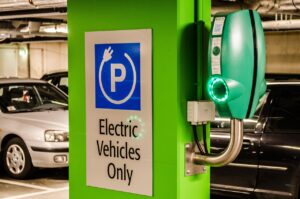
Public Level 2 chargers are widely available and can be found in shopping centers, parking garages, and along highways. They offer a convenient charging option for those who cannot charge at home or need to top up their vehicle’s battery while out. Public charging stations are often networked, allowing users to find and pay for charging through mobile apps or membership cards.
- What You Gain:
- Accessibility for those without home charging options.
- Convenience for long trips, providing charging opportunities along the route.
- Promotion of electric vehicle adoption by making charging more accessible to the public.
- Challenges:
- Cost per charge, which can be higher than charging at home.
- Dependency on the availability of public charging stations, which can be limited in some areas.
| Charger Type | Voltage | Charging Time | Cost |
|---|---|---|---|
| Level 1 | 120V | 12-24 hours | Low upfront, high long-term |
| Level 2 | 240V | 4-8 hours | Higher upfront, lower long-term |
Why This Matters to You
Understanding the facts about Level 2 chargers can significantly impact your decision to purchase an electric vehicle and how you choose to charge it. Here are several key points to consider:
✔ Convenience:
Level 2 chargers offer the convenience of faster charging times, making them ideal for daily use. This convenience can significantly enhance the overall electric vehicle ownership experience.
✔ Cost Savings:
While the initial cost of a Level 2 charger and its installation may be higher, the long-term savings on electricity can be substantial, especially for those who drive their electric vehicles extensively.
✔ Environmental Benefits:
By promoting the use of electric vehicles through convenient and efficient charging solutions, Level 2 chargers contribute to a reduction in greenhouse gas emissions and other pollutants, supporting a cleaner environment.
✔ Versatility:
Level 2 chargers can be used for both home and public charging, offering versatility and flexibility for electric vehicle owners. This versatility is crucial for widespread adoption of electric vehicles.
✔ Government Incentives:
Many governments offer incentives for the installation of Level 2 chargers, both for homes and public spaces. These incentives can significantly reduce the upfront cost of purchasing and installing a charger.
✔ Technological Advancements:
Continuous technological advancements in Level 2 chargers are leading to more efficient, faster, and smarter charging solutions. This means that the benefits of using Level 2 chargers will only continue to grow as technology improves.
The Road Ahead
- Increased adoption of electric vehicles will drive demand for Level 2 chargers, leading to more competitive pricing and advanced features.
- Advancements in charging technology will focus on faster charging speeds and higher efficiency, further enhancing the convenience of Level 2 chargers.
- Government regulations and incentives will continue to play a crucial role in promoting the use of electric vehicles and the installation of Level 2 chargers.
- The expansion of public charging infrastructure will make long-distance travel in electric vehicles more practical and appealing.
- Smart charging technologies will become more prevalent, allowing for better management of energy consumption and reduced strain on the grid.
- Integration with renewable energy sources will become more common, enabling electric vehicle owners to charge their vehicles with clean energy.
Key Takeaways
Level 2 chargers are a vital component of the electric vehicle ecosystem, offering a fast and convenient charging solution. By understanding the benefits and addressing the myths surrounding their use, individuals can make informed decisions about their charging needs. As the electric vehicle market continues to grow, the importance of Level 2 chargers will only increase, driving innovation and adoption in the years to come.
The future of electric vehicle charging is closely tied to the development and deployment of Level 2 chargers, with advancements in technology and infrastructure set to play a pivotal role in the widespread adoption of electric vehicles.
To wrap up, the role of Level 2 chargers in promoting electric vehicle adoption and supporting a sustainable transportation future cannot be overstated, making them a critical area of focus for both consumers and policymakers alike.