Before the advent of advanced battery management systems, users had limited control over charging cycles, often resulting in reduced battery lifespan and performance. However, with recent advancements in technology, it is now possible to optimize charging cycles, leading to improved battery health and extended device lifespan. The implementation of smart charging techniques has transformed the way devices are powered, offering a significant boost to overall user experience. Furthermore, the integration of artificial intelligence in battery management has enabled real-time monitoring and adjustment of charging cycles, paving the way for a new era of efficient energy use.
Electric Car
Solid-State Battery Technology Advances
In the past decade, traditional lithium-ion batteries have been the primary source of power for most portable electronic devices and electric vehicles. However, their limitations, such as relatively low energy density and safety concerns, have driven the development of alternative battery technologies. One of the most promising alternatives is the solid-state battery, which replaces the liquid electrolyte in traditional lithium-ion batteries with a solid material. This design change has led to significant improvements in safety, energy density, and charging speeds. For instance, before the advent of solid-state batteries, electric vehicles had limited ranges and required lengthy charging times. In contrast, today, many electric vehicles can travel over 300 miles on a single charge and recharge to 80% in under 30 minutes.
Several companies and research institutions have been working on developing solid-state battery technology, with some already achieving significant breakthroughs. These advancements have the potential to transform the way energy is stored and used in various applications, from consumer electronics to renewable energy systems. The transition to solid-state batteries is expected to have a profound impact on the environment, as it could lead to the widespread adoption of electric vehicles and the increased use of renewable energy sources.
The development of solid-state batteries is a complex process that requires significant investments in research and development. Despite the challenges, many experts believe that solid-state batteries will become the dominant form of energy storage in the near future. As the technology continues to evolve, it is likely that solid-state batteries will play an increasingly important role in shaping the future of energy storage.
Before the development of solid-state batteries, the energy storage industry was limited by the constraints of traditional lithium-ion batteries. However, with the advent of solid-state batteries, the industry is poised for significant growth and transformation. The potential applications of solid-state batteries are vast, ranging from consumer electronics to electric vehicles and renewable energy systems.
Battery Pack Technology
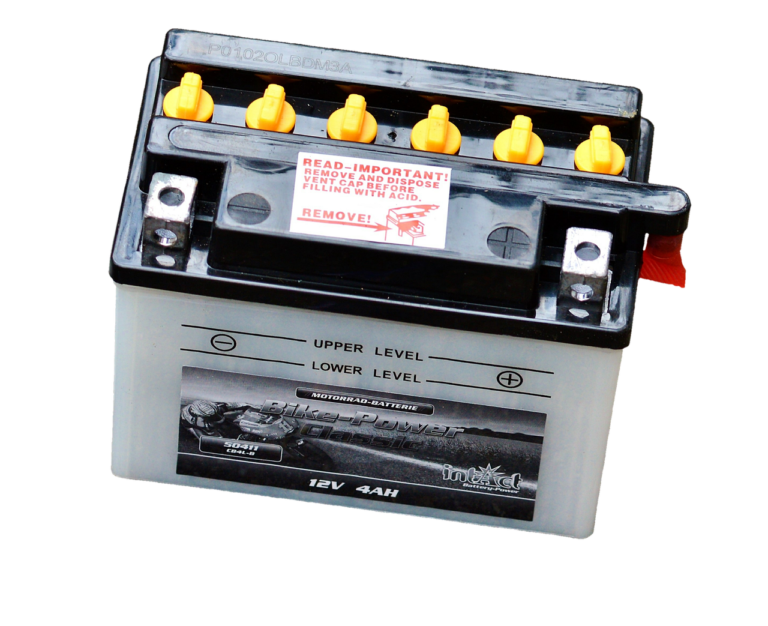
Battery packs are gaining attention due to their increasing importance in various industries, including electric vehicles, renewable energy systems, and consumer electronics. The demand for efficient and reliable energy storage solutions is driving innovation in battery pack technology. As a result, researchers and manufacturers are developing new materials, designs, and systems to improve the performance and sustainability of battery packs. The growth of the electric vehicle market, in particular, is driving the development of advanced battery pack technologies.
Commuting: An Honest Take
Every day, over 150 million people in the United States alone commute to work, with the average commute time being approximately 27 minutes one way. This translates to about 4.35 hours per week spent commuting, which can significantly impact an individual’s quality of life. The impact of commuting is not just limited to the time spent traveling but also extends to mental and physical health, productivity, and overall job satisfaction. Given its widespread effects, understanding commuting and its various aspects is essential for both individuals and policymakers.
Battery Management System Mistakes
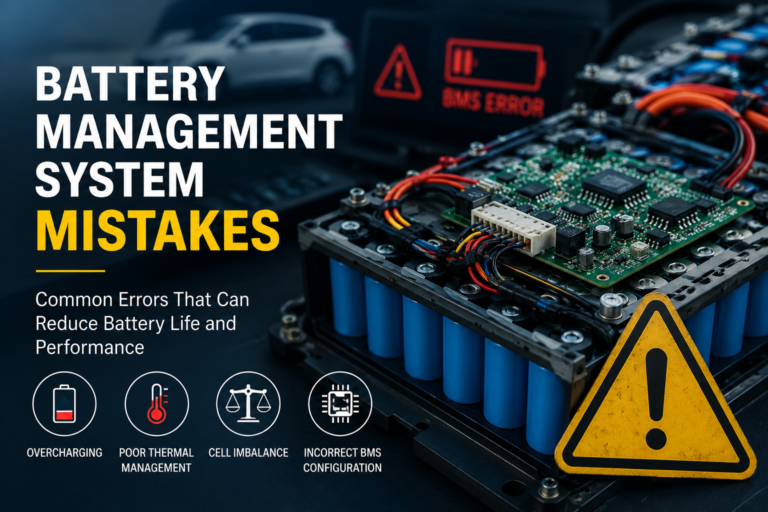
Imagine being on a road trip, only to have your electric vehicle’s battery drain unexpectedly, leaving you stranded. This scenario can be avoided with a well-functioning battery management system. A battery management system is essential for optimizing battery performance and lifespan. However, common mistakes in the design and implementation of these systems can lead to reduced efficiency and lifespan. Understanding these mistakes is crucial for avoiding them and ensuring optimal battery performance.
Fast Charger Technology Advancements
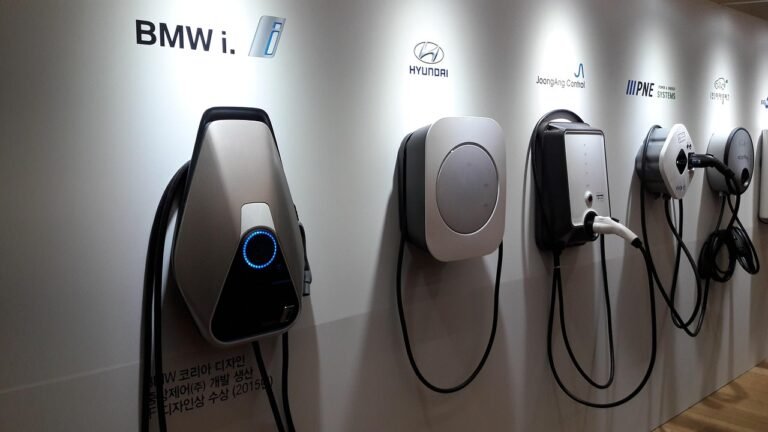
Fast chargers are transforming the electric vehicle and device industries with unprecedented charging speeds and efficiency. As technology continues to advance, the demand for faster and more reliable charging solutions has never been higher. The latest developments in fast charger technology are set to revolutionize the way people power their devices and vehicles. With the ability to charge devices to 80% in under 30 minutes, fast chargers are becoming an essential component of modern life.
Electric Vehicle Evolution
The world of transportation has witnessed a significant shift in recent years, with the electric vehicle (EV) emerging as a viable alternative to traditional gasoline-powered cars. Just a decade ago, EVs were considered a novelty, with limited range and high prices. However, today, they are becoming increasingly popular, with many manufacturers investing heavily in EV technology. The transformation has been remarkable, with EVs now offering impressive range, performance, and affordability.
Mastering Battery Management Systems
Battery management systems are often misunderstood as simply being a component that monitors battery voltage. However, their role extends far beyond this basic function, encompassing a wide range of tasks that ensure batteries operate efficiently and safely. Many people overlook the complexity and importance of these systems, which can lead to reduced battery lifespan and performance. Despite their critical role, battery management systems remain a mystery to many, underscoring the need for a comprehensive understanding of their functions and operations.
Foldable E-Bike Revolution
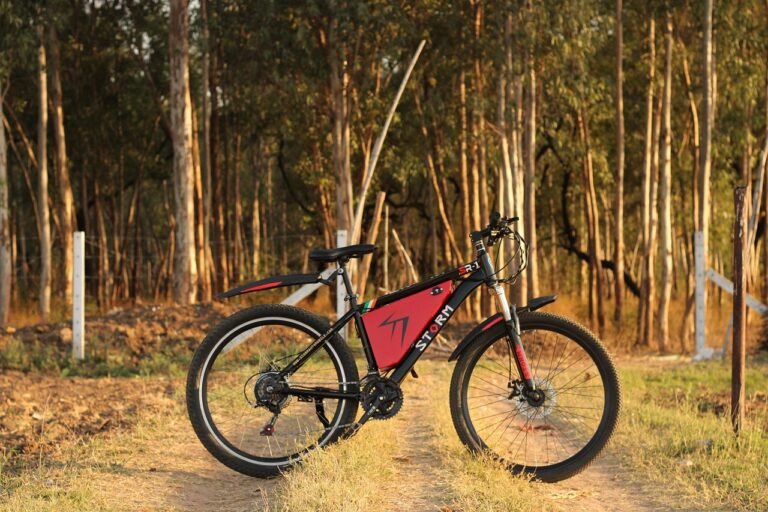
The foldable e-bike is revolutionizing the way people commute, offering a sustainable, efficient, and convenient mode of transportation. With the rise of urbanization and environmental concerns, the demand for eco-friendly vehicles is increasing, and the foldable e-bike is at the forefront of this trend. The innovative design and advanced technology used in these bikes are making them an attractive option for commuters. The foldable e-bike is not only environmentally friendly but also provides a cost-effective and healthy way to travel.
Optimizing Charging Time with Advanced Strategies
Are devices taking too long to charge, and is this affecting daily productivity? Can advanced charging strategies make a significant difference in device performance? What role do cutting-edge technologies play in optimizing charging time? The importance of efficient charging cannot be overstated, as it directly influences how devices are used and their overall usability.
Charging time is a critical factor in the user experience, impacting everything from commute time to work hours. As technology advances, devices require more power, leading to increased charging times. However, several strategies can help mitigate this issue, from fast charging technologies to advanced battery management systems.