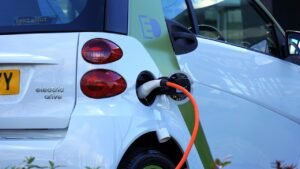
70% of electric vehicle owners charge their vehicles at home, highlighting the need for a well-planned charging network. This percentage is expected to grow as more people switch to electric vehicles. The development of a comprehensive charging network is crucial for widespread adoption. A charging network is a system of charging stations and infrastructure that support the charging of electric vehicles.
The importance of a charging network cannot be overstated, as it provides the necessary infrastructure for electric vehicle owners to charge their vehicles on the go. This, in turn, increases the appeal of electric vehicles to a wider audience. As the world shifts towards more sustainable modes of transportation, the role of charging networks will continue to grow.
The process of building a charging network involves several steps, from planning and design to installation and maintenance. Each step is critical to ensuring the efficiency and reliability of the network. By understanding these steps, individuals and organizations can better navigate the process of creating a charging network.
A Closer Look at Charging Networks
A charging network is defined as a collection of charging stations connected by a network of payment systems, management software, and other supporting infrastructure. These networks can be owned and operated by a variety of entities, including private companies, governments, and utilities. The primary function of a charging network is to provide a convenient and reliable means of charging electric vehicles, thereby supporting the adoption of electric vehicles.
Leading Charging Network Solutions
1. ChargePoint
ChargePoint is one of the largest and most well-established charging networks in the world. With a vast network of charging stations across North America and Europe, ChargePoint provides a comprehensive solution for electric vehicle owners. ChargePoint’s network includes a range of charging stations, from Level 2 to DC Fast Charging, ensuring that drivers have access to the charging they need.
- Plus Points:
- Extensive network of charging stations
- Support for multiple charging levels
- User-friendly payment and management system
- Challenges:
- High upfront costs for installation
- Dependence on external factors like electricity costs
2. EVgo
EVgo is another leading charging network, with a focus on fast charging solutions. EVgo’s network includes over 1,000 public fast charging stations, making it an ideal solution for long-distance electric vehicle travel. EVgo also offers a range of payment plans and membership options, providing flexibility for drivers.
- Plus Points:
- Fast charging capabilities for convenient long-distance travel
- Variety of payment and membership options
- Expanding network of charging stations
- Challenges:
- Limited network coverage in certain areas
- Higher costs associated with fast charging
| Charging Network | Number of Charging Stations | Coverage Area |
|---|---|---|
| ChargePoint | Over 100,000 | North America and Europe |
| EVgo | Over 1,000 | United States |
The Impact on Consumers
✔ Convenience
Charging networks provide consumers with the convenience of being able to charge their vehicles on the go, making electric vehicles a more practical option for daily use.
✔ Increased Adoption
The availability of charging networks encourages more people to adopt electric vehicles, as they feel more confident in their ability to charge their vehicles when needed.
✔ Reduced Range Anxiety
With a comprehensive charging network in place, consumers are less likely to experience range anxiety, as they know they have access to charging stations when they need them.
✔ Environmental Benefits
By supporting the adoption of electric vehicles, charging networks contribute to a reduction in greenhouse gas emissions and other negative environmental impacts associated with traditional fossil fuel-based vehicles.
✔ Economic Benefits
Charging networks can also have economic benefits for consumers, as electric vehicles are generally cheaper to operate and maintain than traditional vehicles.
✔ Improved Public Health
By reducing air pollution in urban areas, charging networks can contribute to improved public health, as fewer emissions from vehicles result in cleaner air and a reduced risk of respiratory diseases.
What Researchers Are Working On
- Developing more efficient charging technologies to reduce charging times
- Improving the sustainability of charging networks through the use of renewable energy sources
- Enhancing the user experience through mobile apps and other digital platforms
- Expanding charging networks to underserved areas
- Integrating charging networks with other modes of transportation, such as public transit
- Conducting studies on the economic and environmental impacts of charging networks
Closing Thoughts
Building a charging network is a complex process that requires careful planning and consideration of various factors. As the demand for electric vehicles continues to grow, the importance of charging networks will only increase. By understanding the key aspects of charging networks and the solutions available, individuals and organizations can work towards creating a more sustainable and efficient transportation system.
The future of transportation is undoubtedly electric, and charging networks will play a critical role in this transition. As researchers and developers continue to work on improving charging technologies and expanding charging networks, the world can expect to see a significant reduction in greenhouse gas emissions and an improvement in air quality.
Ultimately, the success of charging networks will depend on the ability of stakeholders to work together to create a comprehensive and sustainable system that supports the widespread adoption of electric vehicles.