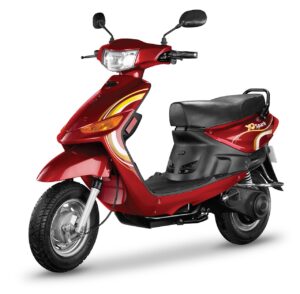
In the past, cities have often prioritized car-centric development, resulting in congested roads and poor air quality. However, in recent years, there has been a shift towards more sustainable and people-friendly urban planning, with cities investing in public transportation, pedestrianized zones, and bike-share systems. Despite these efforts, many cities still struggle with ineffective transportation systems and a lack of sustainable solutions.
What Does Urban Mobility Mean?
Urban mobility refers to the ability of people and goods to move efficiently and safely within a city. It encompasses a range of modes, including walking, cycling, public transportation, and driving, as well as the infrastructure that supports these modes, such as roads, sidewalks, and bike lanes. Effective urban mobility is critical for the economic, social, and environmental well-being of a city, as it enables people to access employment, education, and services, while also reducing congestion, pollution, and other negative impacts of transportation.
Core Urban Mobility Approaches
1. Public Transportation
Public transportation is a key component of urban mobility, providing an affordable and efficient way for people to move around a city. Well-designed public transportation systems can reduce congestion, decrease air pollution, and increase mobility for low-income and marginalized communities.
- Advantages:
- Reduced congestion and air pollution
- Increased mobility for low-income and marginalized communities
- Improved economic productivity and competitiveness
- Challenges:
- Funding and financing constraints
- Infrastructure and maintenance requirements
- Integration with other modes of transportation
2. Non-Motorized Transportation
Non-motorized transportation, including walking and cycling, is an essential part of urban mobility, providing a healthy, sustainable, and cost-effective way for people to move around a city. Well-designed pedestrian and cycling infrastructure can increase safety, reduce congestion, and promote physical activity.
- Advantages:
- Improved safety and reduced risk of accidents
- Increased physical activity and health benefits
- Reduced congestion and air pollution
- Challenges:
- Lack of infrastructure and funding
- Conflicts with motorized transportation
- Weather and climate constraints
| Mode | Advantages | Challenges |
|---|---|---|
| Public Transportation | Reduced congestion and air pollution, increased mobility for low-income and marginalized communities | Funding and financing constraints, infrastructure and maintenance requirements |
| Non-Motorized Transportation | Improved safety and reduced risk of accidents, increased physical activity and health benefits | Lack of infrastructure and funding, conflicts with motorized transportation |
Why People Are Paying Attention
There are several reasons why people are paying attention to urban mobility, including:
✔ Improved air quality
Reducing air pollution from transportation is critical for public health, with studies showing that poor air quality can lead to respiratory problems, cardiovascular disease, and even premature death.
✔ Increased safety
Urban mobility can have a significant impact on safety, with well-designed transportation systems and infrastructure reducing the risk of accidents and improving overall safety for all road users.
✔ Enhanced economic productivity
Effective urban mobility is essential for economic productivity, with efficient transportation systems enabling people to access employment, education, and services, while also reducing congestion and increasing competitiveness.
✔ Better quality of life
Urban mobility can have a significant impact on quality of life, with well-designed transportation systems and infrastructure enabling people to access amenities, services, and recreational activities, while also reducing stress and improving overall well-being.
✔ Reduced congestion
Reducing congestion is a critical aspect of urban mobility, with efficient transportation systems and infrastructure enabling people to move around a city quickly and easily, while also reducing travel times and increasing productivity.
✔ Increased sustainability
Urban mobility can have a significant impact on sustainability, with well-designed transportation systems and infrastructure reducing greenhouse gas emissions, promoting energy efficiency, and conserving natural resources.
What Researchers Are Working On
- Predicting and preventing traffic congestion using artificial intelligence and machine learning
- Developing more efficient and sustainable public transportation systems, including electric and self-driving buses
- Designing and implementing smart traffic management systems, including real-time traffic monitoring and optimization
- Creating more pedestrian-friendly and bikeable cities, including pedestrianized zones and bike-share systems
- Investigating the impact of urban mobility on public health, including the effects of air pollution and physical inactivity
- Developing new modes of transportation, including hyperloop systems and vertical takeoff and landing aircraft
Closing Thoughts
Urban mobility is a critical aspect of city development, with significant impacts on the environment, economy, and quality of life. By understanding common mistakes and implementing effective solutions, cities can create more sustainable, efficient, and people-friendly transportation systems. Effective urban mobility requires a comprehensive approach, including public transportation, non-motorized transportation, and smart traffic management, as well as a focus on safety, sustainability, and equity.