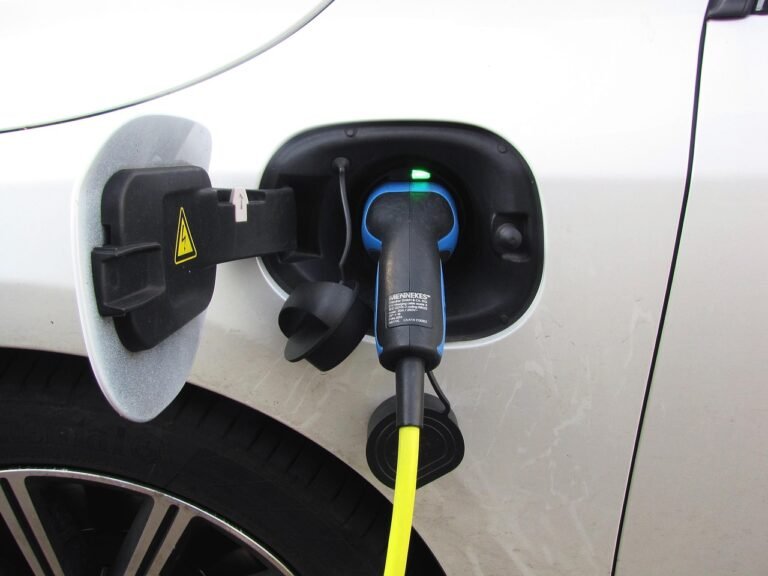
Electric vehicles (EVs) are becoming increasingly popular due to their environmental benefits and lower operating costs. However, one of the significant challenges facing EV owners is the time it takes to charge their vehicles. DC fast charging has emerged as a solution to this problem, enabling EV owners to charge their vehicles quickly and efficiently. This technology is crucial for the widespread adoption of EVs, as it addresses the range anxiety issue that has been a major concern for potential buyers.
evtechor25@gmail.com
Improving Battery Life: Real Examples
Most people believe that battery life is solely determined by the type of battery used in a device. However, this is not entirely accurate. Battery life is influenced by a combination of factors, including the device’s hardware, software, and usage patterns. Many consumers are unaware of the simple steps they can take to extend the battery life of their devices. Furthermore, advancements in technology have led to the development of new battery types and power-saving features that can significantly improve battery life.
E-Bike Technology Advances
The world of transportation is undergoing a significant shift, with many people turning to environmentally friendly and cost-effective alternatives to traditional gas-powered vehicles. One such alternative that has gained immense popularity in recent years is the e-bike. With the ability to provide a convenient, affordable, and healthy mode of transportation, e-bikes have become an attractive option for commuters and outdoor enthusiasts alike. However, as with any rapidly evolving technology, there are challenges to be addressed, such as battery life, safety concerns, and infrastructure limitations.
Electric Vehicle Infrastructure Examples
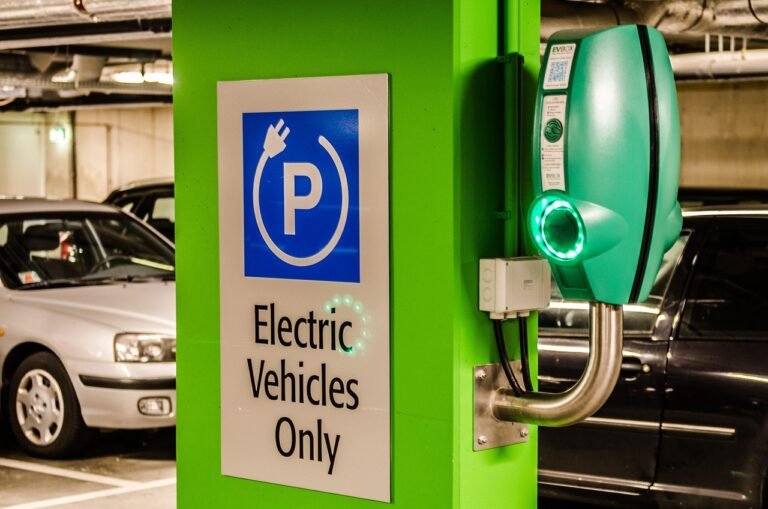
Imagine driving an electric vehicle across the country, stopping at charging stations along the way, and knowing that the energy used to power the car is coming from renewable sources. This is becoming a reality as governments and companies invest in electric vehicle infrastructure. As the demand for electric vehicles grows, so does the need for a comprehensive network of charging stations. In the United States, for example, the number of public charging stations has increased significantly over the past few years.
The expansion of electric vehicle infrastructure is not limited to the United States, as many countries around the world are also investing in this technology. In Norway, for instance, electric vehicles account for a significant percentage of new car sales, and the country has an extensive network of charging stations to support them. Similarly, in China, the government has set ambitious targets for the adoption of electric vehicles, and is investing heavily in the development of charging infrastructure.
The benefits of electric vehicle infrastructure are numerous, from reducing greenhouse gas emissions to improving air quality in urban areas. As the technology continues to evolve, it is likely that we will see even more innovative solutions for charging and powering electric vehicles. From solar-powered charging stations to advanced battery technologies, the future of electric vehicle infrastructure is looking bright.
As the world continues to transition towards a more sustainable and environmentally-friendly transportation system, the importance of electric vehicle infrastructure will only continue to grow. With many countries and companies investing in this technology, it is likely that we will see significant advancements in the coming years.
Honest Take on Battery-Powered Bikes
Battery-powered bikes have gained popularity in recent years as a convenient and environmentally friendly mode of transportation. However, their performance and practicality vary greatly depending on several factors, including terrain, battery quality, and user needs. Despite their potential, battery-powered bikes also pose significant challenges, such as limited range, high cost, and safety concerns. As the demand for sustainable transportation options continues to grow, it is essential to examine the benefits and limitations of battery-powered bikes and what they mean for the future of transportation.
Debunking Cell Chemistry Myths
Cell chemistry is constantly evolving, and with its progression, numerous myths have emerged that can confuse both the general public and professionals alike. The importance of understanding the true science behind cell chemistry cannot be overstated, as it plays a critical role in various fields, including medicine, biology, and environmental science. As research advances, it’s essential to address and debunk these myths to ensure a accurate comprehension of cellular processes. With the rapid growth of information, distinguishing between fact and fiction has become a significant challenge.
Solid-State Battery Beginner Tips
A staggering 80% of electric vehicles on the road today rely on lithium-ion batteries, which, despite their efficiency, pose significant safety risks and have limited energy density. Solid-state batteries have emerged as a potential big deal, offering improved safety, higher energy density, and faster charging times. The development of solid-state batteries has gained significant attention in recent years, with many companies and research institutions investing heavily in this technology. As the world shifts towards more sustainable and environmentally friendly energy solutions, the importance of solid-state batteries will only continue to grow.
Sustainable Transport Explained
Sustainable transport has become a pressing concern in recent years, as the world grapples with the challenges of climate change, air pollution, and traffic congestion. The traditional transport system, heavily reliant on fossil fuels, has significant environmental and health impacts. Sustainable transport solutions, on the other hand, offer a viable alternative, reducing emissions and pollution while promoting eco-friendly travel and transportation methods.
The need for sustainable transport is evident in the alarming statistics on air quality, greenhouse gas emissions, and the economic costs associated with traffic congestion. It is imperative to adopt sustainable transport solutions to mitigate these issues and create a healthier, more sustainable environment for future generations.
The benefits of sustainable transport extend beyond environmental advantages, as it also enhances the quality of life for individuals and communities. By adopting sustainable transport methods, people can reduce their carbon footprint, improve air quality, and promote physical activity through walking and cycling.
Sustainable Transport Revolution
Sustainable transport is revolutionizing the way people travel, reducing emissions and pollution with eco-friendly solutions. The world is shifting towards a more environmentally friendly approach to transportation, and this change is having a significant impact on the environment and human health. Sustainable transport is not just a trend, but a necessity for the future of our planet. With the increasing awareness of climate change and air pollution, sustainable transport is becoming a top priority for governments, organizations, and individuals alike.
Common Charging Time Mistakes to Avoid
Charging time has become a critical aspect of device management, especially with the increasing dependence on portable electronics. As technology advances, the demand for faster and more efficient charging solutions grows. However, common mistakes during the charging process can lead to reduced battery lifespan, overheating, and decreased device performance. With the rise of high-power charging technologies, it is essential to address these mistakes to ensure safe and optimal charging practices.