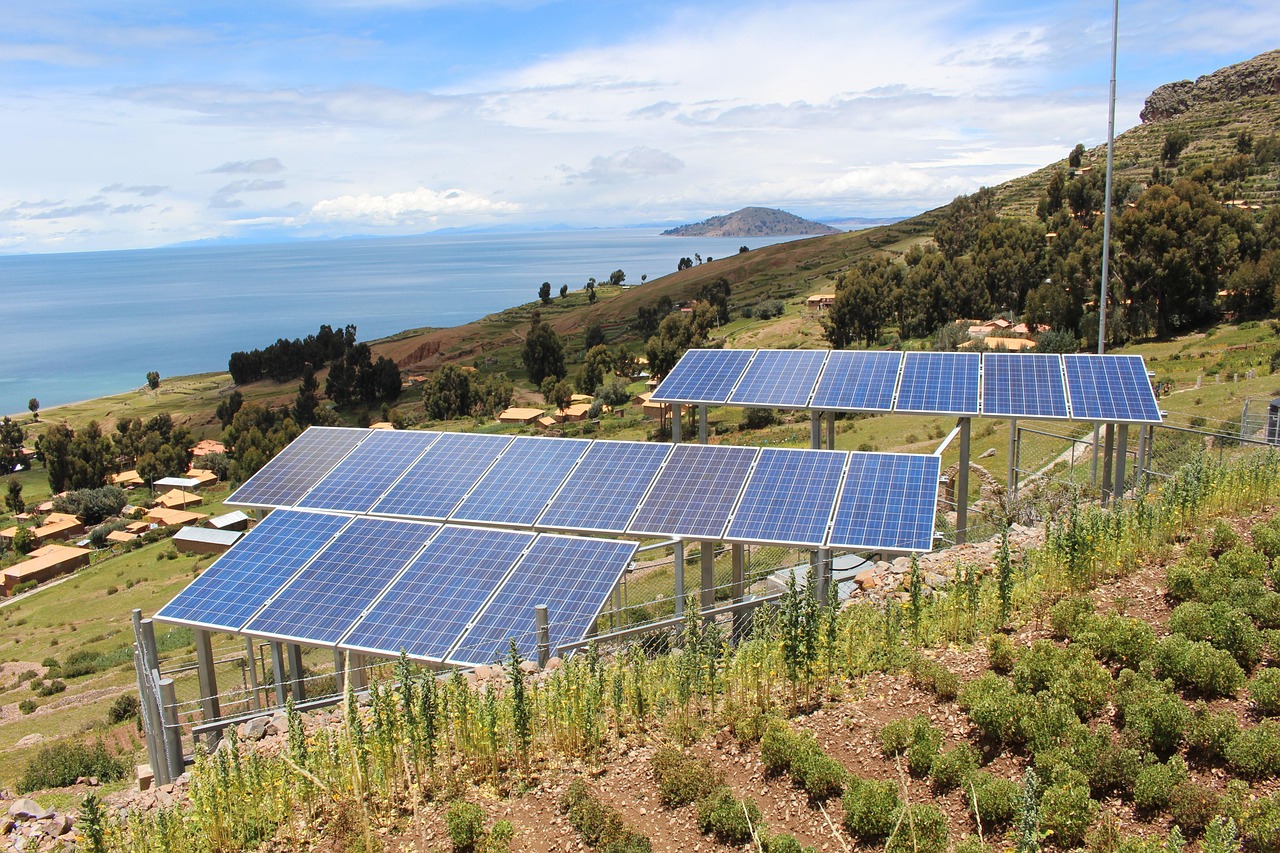
Green energy is gaining attention right now due to the growing concern over climate change and the need to reduce carbon emissions. The world is shifting towards sustainable practices, and green energy is at the forefront of this movement. With governments and companies investing heavily in renewable energy sources, it’s an exciting time for the industry. As technology improves and costs decrease, green energy is becoming more accessible and affordable for everyone.
Defining Green Energy
Green energy refers to the use of renewable energy sources, such as solar, wind, and hydro power, to generate electricity and heat. These sources are sustainable, meaning they can be replenished naturally, and produce little to no greenhouse gas emissions or pollution. Green energy is becoming increasingly important as the world transitions away from fossil fuels and towards a more sustainable future.
Core Green Energy Approaches
1. Solar Energy
Solar energy is one of the most popular forms of green energy, using photovoltaic panels to convert sunlight into electricity. This approach is particularly effective in sunny regions, where the amount of sunlight is abundant.
- Why It Works:
- Abundant resource: Sunlight is available everywhere, making it a widely accessible source of energy.
- Low maintenance: Solar panels require minimal maintenance and can last for up to 30 years or more.
- Energy independence: Solar energy allows individuals and communities to generate their own electricity, reducing reliance on the grid.
- Challenges:
- Intermittent energy source: Solar energy is not always available, as it depends on sunlight.
- High upfront costs: While the cost of solar panels is decreasing, the initial investment can still be prohibitively expensive for some.
2. Wind Energy
Wind energy uses wind turbines to generate electricity, converting the kinetic energy of the wind into electrical power. This approach is particularly effective in windy regions, such as coastal areas or mountainous territories.
- Why It Works:
- Abundant resource: Wind is available in many parts of the world, making it a widely accessible source of energy.
- Low operating costs: Once installed, wind turbines have relatively low operating costs, as there are no fuel costs and maintenance is minimal.
- Scalability: Wind energy can be generated on a small or large scale, from individual turbines to massive wind farms.
- Challenges:
- Visual impact: Wind turbines can be visually unappealing and may be opposed by local communities.
- Noise pollution: Wind turbines can generate noise, which can be a disturbance to nearby residents.
| Energy Source | Capacity Factor | Cost per kWh |
|---|---|---|
| Solar Energy | 25-30% | $0.05-0.10 |
| Wind Energy | 35-40% | $0.04-0.08 |
How This Affects Everyday Life
✔ Reduced Energy Bills
Green energy can help reduce energy bills, as individuals and communities generate their own electricity and heat. This can be particularly beneficial for low-income households, who may struggle to pay their energy bills.
✔ Improved Air Quality
Green energy can improve air quality, as it produces little to no greenhouse gas emissions or pollution. This can have a positive impact on public health, particularly in urban areas where air pollution is a significant concern.
✔ Increased Energy Independence
Green energy can increase energy independence, as individuals and communities generate their own electricity and heat. This can reduce reliance on the grid and provide a sense of security and self-sufficiency.
✔ Job Creation
Green energy can create jobs, both in the manufacturing and installation of renewable energy systems. This can have a positive impact on local economies, particularly in areas where traditional industries are declining.
✔ Reduced Carbon Footprint
Green energy can reduce carbon footprint, as it produces little to no greenhouse gas emissions. This can help mitigate climate change and promote a more sustainable future.
✔ Improved National Security
Green energy can improve national security, as it reduces reliance on foreign oil and promotes energy independence. This can have a positive impact on international relations and global stability.
How This Will Evolve
- Increased investment in renewable energy sources, such as solar and wind power.
- Improvements in energy storage technology, such as batteries and hydrogen fuel cells.
- Greater adoption of electric vehicles and public transportation systems.
- Increased focus on energy efficiency and smart grids.
- Growing demand for sustainable and renewable energy sources.
- Expansion of green energy into new markets and industries, such as agriculture and construction.
One Last Thing
Green energy is a vital component of a sustainable future, and its importance cannot be overstated. As the world continues to transition towards renewable energy sources, it’s essential to support and invest in this industry. By doing so, we can promote energy independence, reduce carbon emissions, and create a better future for generations to come. Green energy is not just a trend, but a necessity for a sustainable and prosperous world.
The shift towards green energy requires a collective effort, from governments and corporations to individuals and communities. By working together, we can create a more sustainable future and ensure a healthy and thriving planet for years to come.